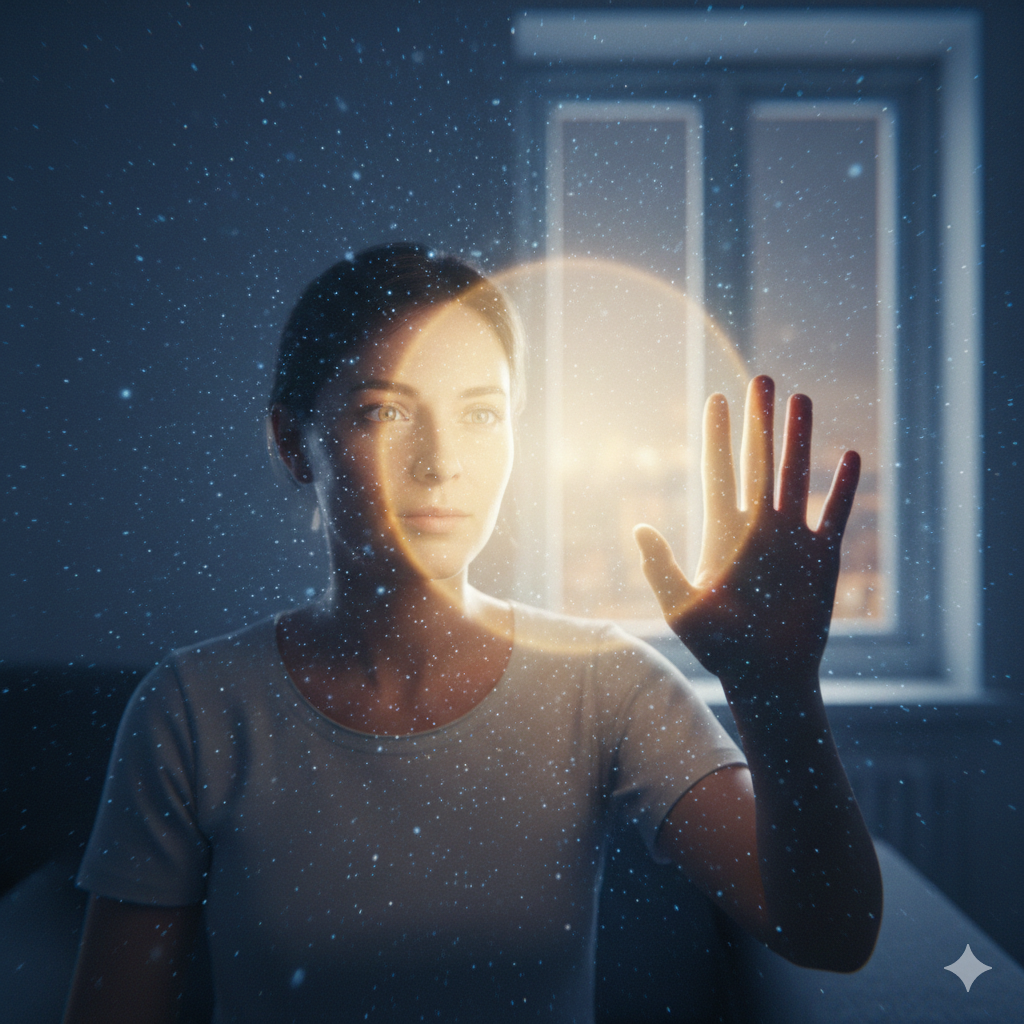
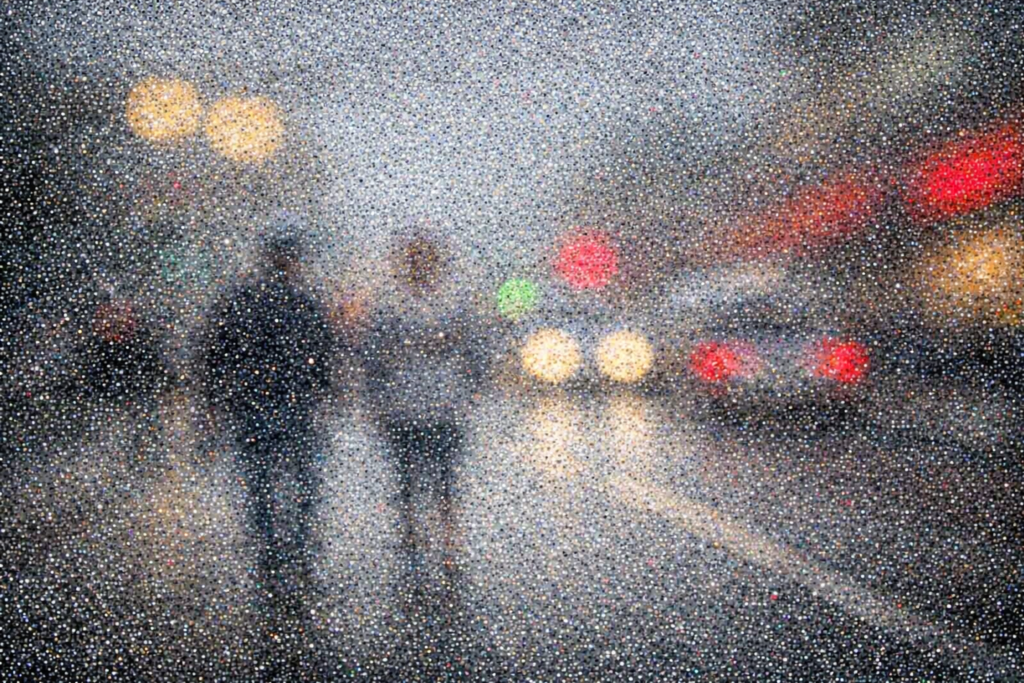
Have you ever looked at a clear sky or a dark room and seen thousands of tiny, flickering dots? Naturally, this can be very alarming if you don’t know what it is. In 2026, we call this Visual Snow Syndrome (VSS). Specifically, it is a condition where your brain struggles to filter out “visual noise.”
Fortunately, while VSS can be annoying, it is often linked to a hyper-active nervous system. Therefore, by calming your brain, you can reduce the intensity of the snow. In this guide, we will show you 5 effective ways to find relief.
1. Filter the Light (The Blue Light Reset)
First and foremost, your brain is likely over-reacting to bright lights. Because blue light from screens can increase brain excitability, it often makes the “snow” look thicker.
- The Fix: Instead of using bright screens at night, switch to “warm” or “night” mode.
- The Result: By reducing the harsh light, you allow your visual cortex to relax, which consequently makes the dots less noticeable.
2. Calm the Central Nervous System
Secondly, research in 2026 shows a strong link between anxiety and VSS. Since your brain is in a “high-alert” state, it starts seeing things that it should normally ignore.
- The Fix: Regularly practice deep breathing or progressive muscle relaxation.
- The Result: By lowering your overall stress, you “turn down the volume” of the visual noise in your head.
3. Use FL-41 Tinted Glasses
In addition to lifestyle changes, many people find relief using specialized eyewear. Specifically, FL-41 tinted lenses are designed to block the wavelengths that trigger light sensitivity.
- The Fix: Try wearing rose-tinted FL-41 glasses during high-stress hours or while working on a computer.
- The Result: Typically, these lenses soothe the overactive parts of your brain, making the environment feel “softer” and easier to look at.
4. Practice “Active Ignoring”
Furthermore, the more you focus on the dots, the more your brain thinks they are important. As a result, the snow seems to get darker or faster.
- The Fix: When you notice the snow, acknowledge it, then immediately shift your focus to a physical task.
- The Result: By practicing this daily, you retrain your brain to filter out the noise, making the snow fade into the background.
5. Prioritize Magnesium and B2
Finally, your brain needs the right fuel to stay calm. Since magnesium and Vitamin B2 (Riboflavin) help stabilize nerve cells, they are essential for anyone with VSS.
- The Fix: Incorporate more leafy greens, nuts, and whole grains into your diet.
- The Result: Because your nerves are better protected, they are less likely to “misfire” and create visual disturbances.
FAQ: Quick Answers
Q: Is Visual Snow dangerous for my eyes? A: Actually, no. Your eyes are usually perfectly healthy; the issue is how your brain processes the light.
Q: Can anxiety cause the snow to get worse? A: Yes. During a panic attack or high stress, the snow may appear more intense because your brain’s filtering system is temporarily overwhelmed.
Conclusion
To wrap up, living with Visual Snow Syndrome can be a challenge, but it is not a lost cause. While the dots may not disappear instantly, you have the power to reduce their impact. By managing your light, your stress, and your diet, you can find a clearer view of the world. Remember, your brain is resilient—give it the rest it needs.