Have you ever been in a room that’s perfectly warm, yet you feel a sudden, icy shiver across your skin? Or perhaps your palms become damp and cold just before a stressful call? In 2026, as we face the fast-paced pressures of a hyper-connected world, Anxiety-Induced Cold Sweats have become a common way our bodies signal internal overwhelm.
This “Skin Chill” is more than just a temperature change. It is a complex dance between your sweat glands and your nervous system. Let’s explore why anxiety makes you feel cold and damp, and how to warm your soul and skin again.
1. The Science: Why Anxiety Feels Like an “Icy Grip”
In 2026, psychodermatology has refined our understanding of the Sympathetic Nervous System and its control over our “thermostat.”
The Vasoconstriction Response
When anxiety strikes, your body prepares for a “crisis.”
- Blood Rerouting: To protect you, your body pulls blood away from the skin’s surface and sends it to your core muscles. Because there is less warm blood at the surface, your skin feels suddenly cold.
- The Sweat Paradox: Simultaneously, stress hormones trigger your eccrine glands (sweat glands). When this sweat meets your now-cold skin, it evaporates quickly, creating that classic “cold sweat” sensation.
2. Recognizing the “Stress Shiver” in 2026
In our digital era, stress doesn’t always look like a panic attack; sometimes it looks like a quiet physical shutdown:
- The “Clammy” Palm: Damp hands that feel cold to the touch, often appearing during social or performance anxiety.
- Night Sweats (Anxiety Edition): Waking up feeling chilled and damp after a day of suppressed stress or “doom-scrolling.”
- The Phantom Shiver: A sudden wave of “goosebumps” that occurs when you think about a looming responsibility.
3. 2026 Solutions: How to Warm Up Your Nervous System
To stop cold sweats, you need to tell your brain that you are safe, warm, and protected.
Immediate Physical Resets
- The “Warm Splash” Technique: Instead of cold water, wash your hands and wrists with warm water. This signals your blood vessels to dilate (expand) again, bringing warmth back to the surface.
- Layering for Comfort: In 2026, “weighted apparel” has become a trend. A heavy cardigan or a weighted lap pad can provide the “deep pressure” needed to calm the nervous system.
- The “Rhythmic Rub”: Gently but firmly rub your forearms with your palms. The friction creates physical heat and provides a grounding sensory input.
The 2026 “Thermal Calm” Routine
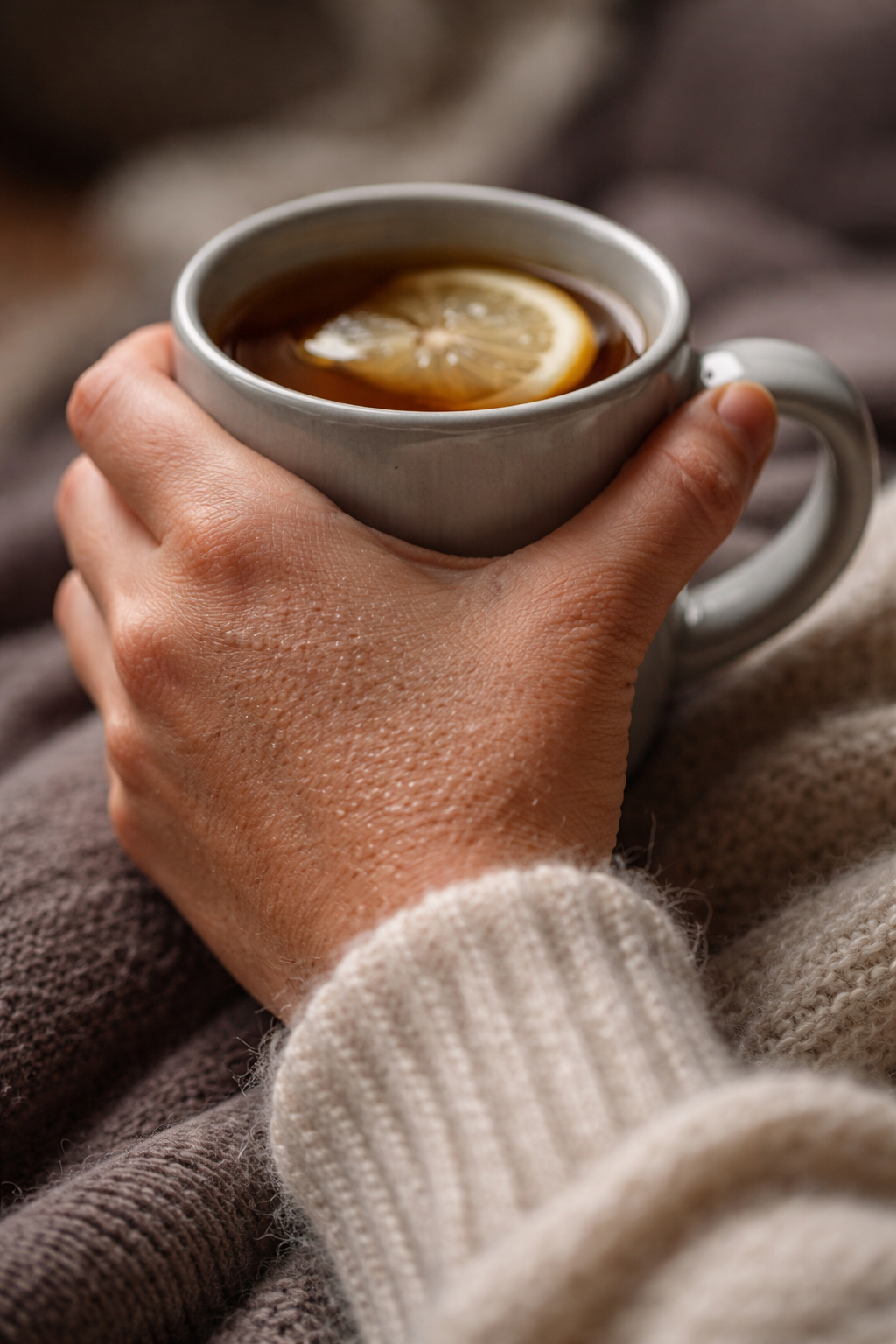
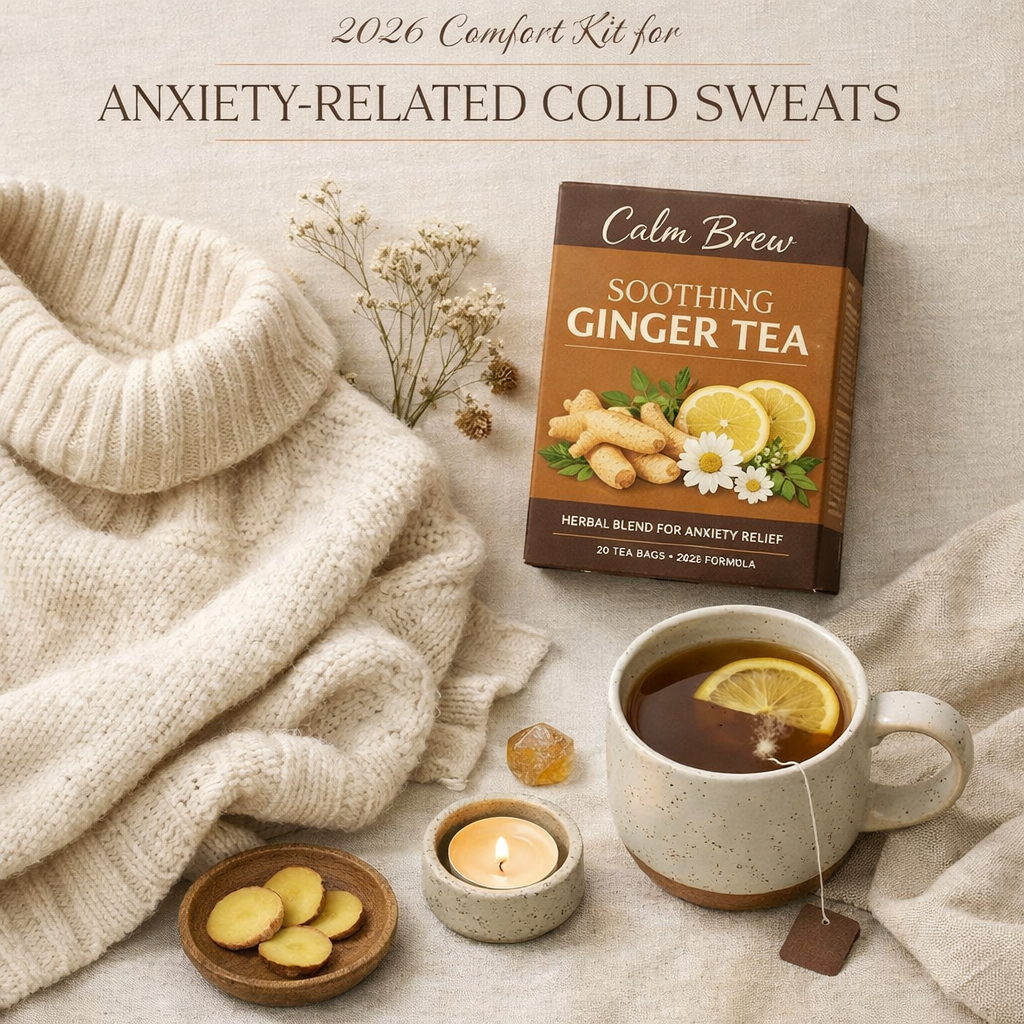
- Adaptogenic Herbal Teas: 2026 favorites like Ashwagandha and Ginger help balance the body’s internal thermostat and reduce the cortisol spikes that trigger sweats.
- Breathwork for Warmth: Practice “Box Breathing” but focus on exhaling through your nose with a soft “ha” sound (similar to fogging up a mirror). This builds internal heat.
4. Strengthening Your Inner Thermostat
Prevention in 2026 is about Stability. Your skin is less likely to “crash” into a cold sweat if your baseline stress is managed.
- Circadian Anchoring: Try to see natural sunlight within 30 minutes of waking. This regulates your cortisol rhythm, preventing late-day “stress chills.”
- Digital Boundaries: The “Skin Chill” often follows a spike in screen-induced anxiety. Practice the “90-minute Rule”: no screens 90 minutes before bed to allow your skin temperature to stabilize naturally.
5. When to Seek Professional Guidance
While cold sweats are a common anxiety symptom, they can sometimes mask other health issues. Consult a professional if:
- Your cold sweats are accompanied by chest pain or a racing heart that won’t slow down.
- You experience night sweats so severe they soak your sheets every night.
- The “Skin Chill” is paired with persistent dizziness or feeling like you might faint.
Frequently Asked Questions (FAQ)
Can anxiety make you feel cold and hot at the same time?
Yes. This is often called “temperature dysregulation.” Your body is rapidly switching between trying to cool you down (sweating) and warm you up (vasoconstriction).
Why do my feet feel like ice when I’m stressed?
This is because your feet are the furthest from your heart. When stress reroutes blood to your core, your extremities (hands and feet) are the first to lose heat.
Does 2026 “Thermal Skincare” work?
New 2026 products containing Vanillyl Butyl Ether provide a gentle, long-lasting warming sensation that can help “trick” the nerves into feeling warm and calm during a stress event.
Conclusion
Your skin is a living map of your emotions. When you feel that sudden “Skin Chill” or a cold sweat, it’s not a sign that something is wrong with you—it’s a sign that your body is trying to protect you. By choosing warmth, grounding, and self-compassion, you can melt the icy grip of anxiety and find your comfort again in 2026.