
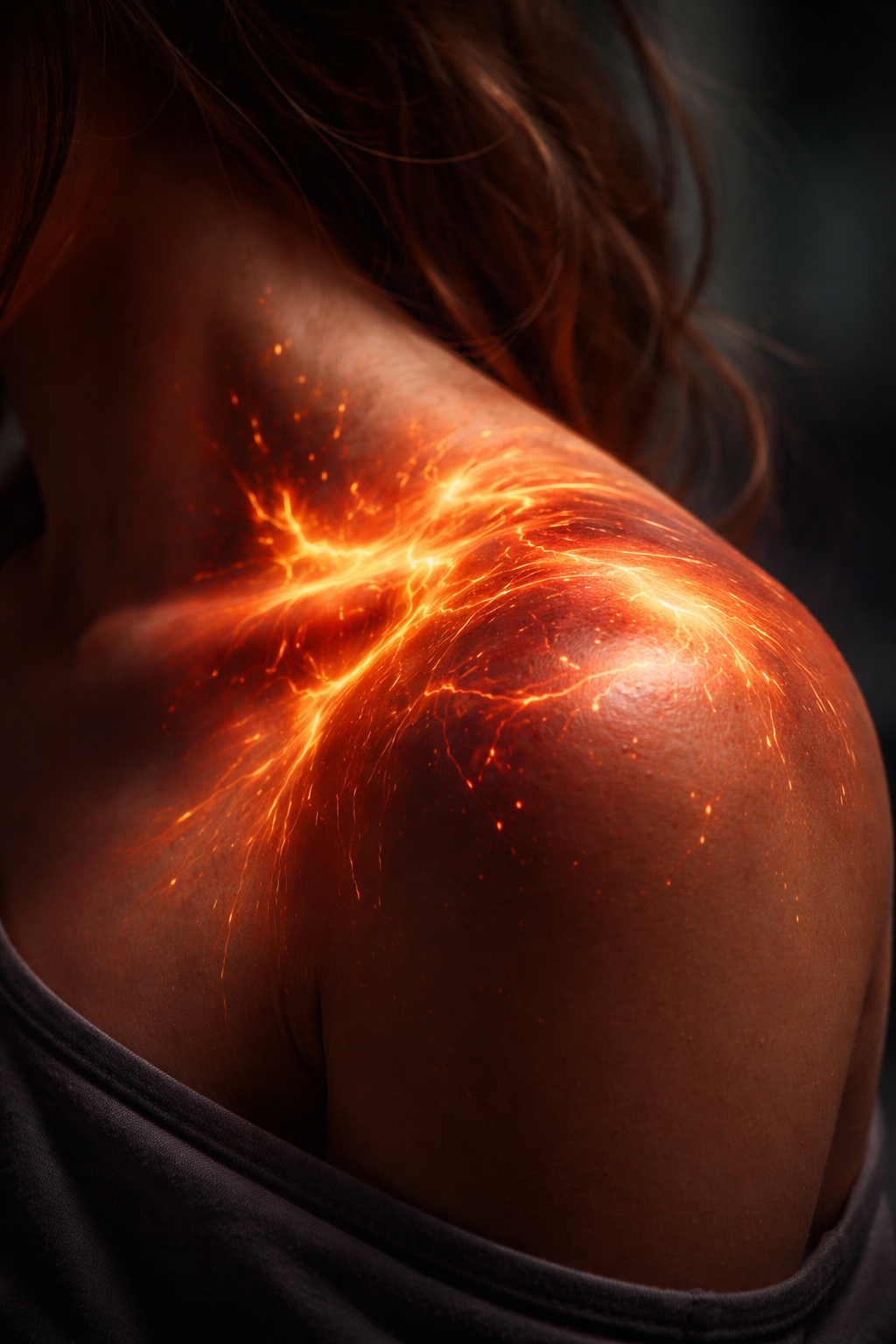
Have you ever felt a sudden, hot stinging sensation on your skin during a stressful day? Naturally, you might look for a rash or a burn, but find nothing there. In 2026, we call this “The Anxiety Burn.” Essentially, it is your brain’s way of shouting that your nervous system is overloaded. Therefore, understanding this connection is the first step toward putting out the fire.
Fortunately, you can learn to decode these signals. In this guide, we will explain why stress creates heat and how you can cool your skin and mind instantly.
1. The Science: Why Your Mind “Heats Up” Your Skin
To begin with, it is important to realize that your nerves and your skin are twins. In fact, they are formed from the same layer of cells in the womb. Specifically, when you feel mental pressure, your nerves react physically.
The Electrical Glitch
When your anxiety levels spike, your body enters a “high-voltage” state. As a result:
- Sensory Confusion: Your brain misreads normal nerve activity as a burning sensation.
- Adrenaline Heat: Since adrenaline increases your heart rate, it can make your skin feel flushed and hot.
- Histamine Release: Because stress triggers the same cells involved in allergies, your skin may sting without any visible cause.
2. Spotting the “Stress Burn” Patterns
Generally speaking, a physical injury feels constant. In contrast, an anxiety-induced burn is unpredictable. For instance, you might notice:
- The “Flicker” Effect: The burning sensation comes and goes in a matter of seconds.
- Moving Heat: Instead of staying in one spot, the feeling travels from your neck to your arms or face.
- Quiet-Time Peaks: Usually, the burning becomes more intense when you sit still or try to sleep.
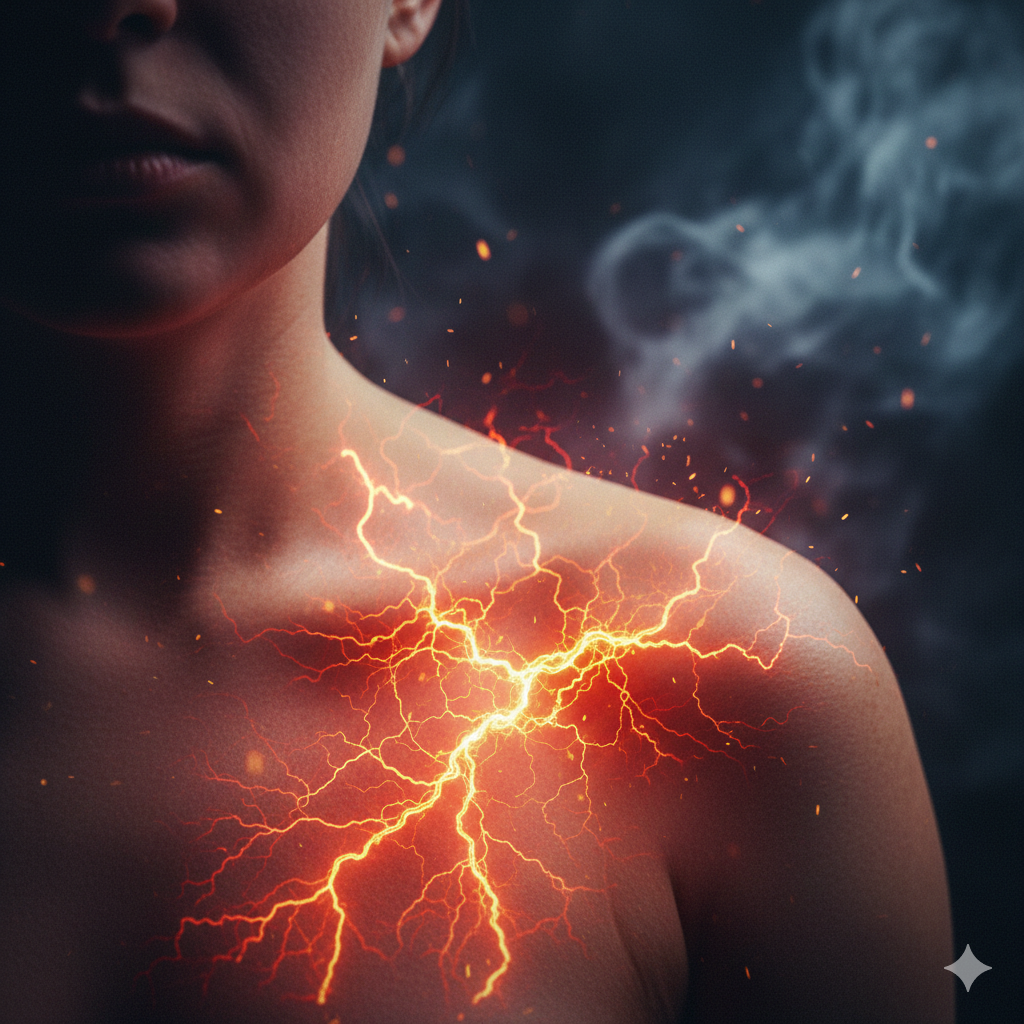
3. How to Cool the Internal Fire
The good news is that you can “turn off” the heat by grounding your body. In fact, small actions can lead to big relief.
Immediate Cooling Fixes
- The Temperature Reset: Instead of a hot bath, try a cool shower. By lowering your skin temperature, you quiet the nerve endings.
- The “Weight” Method: By using a weighted blanket, you provide deep pressure that tells your brain it is safe. Consequently, the burning signals often stop.
- Breath Work: Since deep breathing lowers your heart rate, it helps reduce the “adrenaline heat” in your skin.
Long-Term Nerve Calm
- Vitamin B12: Because B12 protects your nerve fibers, it is a vital nutrient for preventing phantom skin sensations.
- Hydration: Since dry skin makes nerves more sensitive, drinking water is a simple way to keep your skin “quiet.”
4. The 2026 Strategy: “Sensory Shielding”
In addition to cooling down, 2026 wellness trends emphasize protection. For example:
- Digital Boundaries: By turning off notifications, you prevent the sudden shocks to your nervous system that trigger skin burning.
- Mindful Fabrics: By choosing silk or bamboo clothing, you reduce the physical friction that can set off a sensitive nerve.
5. When to Seek Professional Guidance
While anxiety is a common cause, sometimes burning skin needs an expert’s eye. Consult a professional if:
- In addition to the heat, you see actual blisters or a spreading rash.
- The burning is followed by a complete loss of feeling in that area.
- You have a fever or feel generally unwell.
FAQ: Quick Answers
Q: Can stress cause a burning face? A: Yes. The face is full of sensitive nerves that react quickly to changes in your emotional state.
Q: Is “Anxiety Burn” dangerous? A: Actually, no. It is a sensory signal, not a physical injury. However, it is a sign that you need more rest and self-care.
Conclusion
To wrap up, when stress sets your skin on fire, it is a loud request for a break. While the sensation is uncomfortable, it is manageable through cooling techniques and nervous system support. Remember, you have the power to calm the storm within. Your skin will follow your mind into peace.