
Have you ever felt a strange sensation, like tiny insects are crawling under your skin, even though you see nothing there? Understandably, this feeling—known as Formication—can be very distressing. In 2026, we understand that this is a common physical symptom of a tired nervous system. Therefore, if you are feeling “skin crawling” during a busy week, your brain is likely sending a false sensory signal.
Fortunately, you can learn to quiet these signals and find comfort again. In this guide, we will explore why anxiety causes this sensation and provide 2026 tips to stop the crawling feeling fast.
1. The Science: Why Your Nerves Feel “Alive”
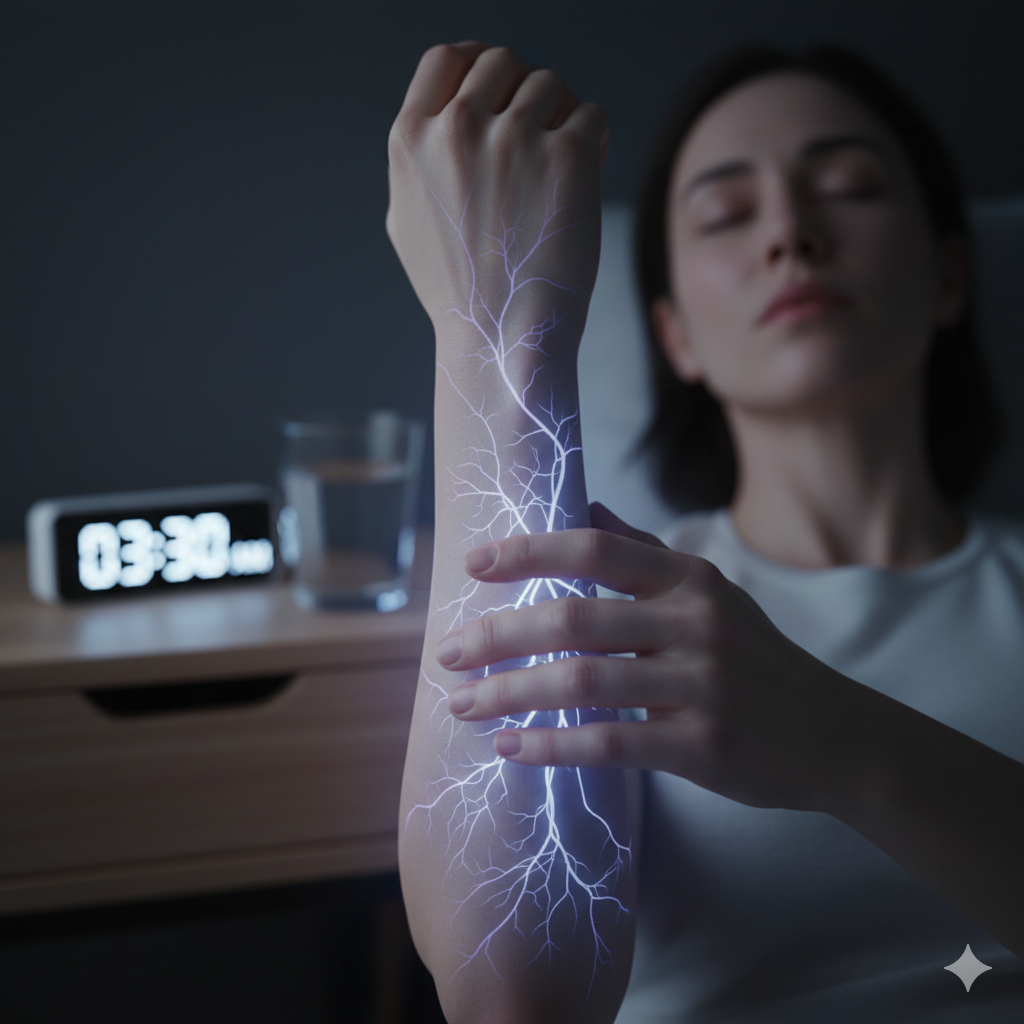
To begin with, you must realize that your nerves are like electric wires. However, when you are anxious, these wires can become “leaky.” Specifically, your body’s stress response can trigger phantom sensations.
The Sensory Glitch
When you are under constant pressure, your brain stays in a state of high alert. As a result:
- Spontaneous Firing: Your sensory nerves fire without any physical touch. Consequently, you feel a “crawling” or “tingling” sensation.
- Cortisol Spikes: Since stress hormones affect your skin’s nerve endings, they become hyper-sensitive to the air or your clothing.
- The Brain-Skin Loop: Because you focus on the feeling, your brain amplifies the signal, making it feel even more real.
2. Identifying “Anxiety Crawling”
Generally speaking, a skin infection stays in one spot. In contrast, anxiety-induced crawling is often widespread. For instance, you might notice:
- The Moving Itch: The feeling travels from your legs to your arms or scalp in a matter of seconds.
- Stress Correlation: The sensation starts mainly when you are feeling overwhelmed or after a long day of work.
- Clear Skin: Usually, there are no bumps, rashes, or redness accompanying the sensation.
3. Simple Ways to Stop the Crawling Feeling
The good news is that you can “reset” your nervous system. In fact, physical and mental grounding are the best ways to find relief.
Immediate Physical Relief
- The “Heavy” Touch: Instead of scratching, apply firm pressure with your palm. By doing this, you provide a strong sensory signal that drowns out the “crawling” feeling.
- Cooling Gels: Regularly applying a cooling aloe vera or menthol gel can distract the nerves with a new, pleasant sensation.
- Hydration: Since dehydration makes nerve endings more irritable, drinking a large glass of water can help balance your system.
Mental Calming
- The “3-3-3” Method: Because the sensation is in your nerves, shifting your focus is vital. Name 3 things you see, 3 things you hear, and move 3 parts of your body.
- Weight Training: By lifting something heavy or wearing a weighted vest, you provide “deep pressure” that calms the central nervous system.
4. The 2026 Strategy: Nerve Resilience
In addition to quick fixes, 2026 wellness focuses on long-term nerve health. For example:
- Magnesium and B12: Since these nutrients protect your nerve fibers, they are essential for preventing future “crawling” episodes.
- Digital Detox: By setting boundaries with your phone, you reduce the mental noise that keeps your nerves on edge.
5. When to Consult a Professional
While anxiety is a common cause, sometimes skin crawling can signal other health issues. Consult a doctor if:
- In addition to the crawling, you feel numbness or a complete loss of sensation.
- The feeling is accompanied by a visible rash or sores that do not heal.
- You have a history of thyroid issues or vitamin deficiencies.
FAQ: Quick Answers
Q: Is “Skin Crawling” a sign of a serious illness? A: Typically, no. If it happens during stress, it is usually a harmless symptom of anxiety. However, it is your body’s way of asking for more rest.
Q: Can a hot shower help? A: Actually, hot water can make your skin drier and your nerves more sensitive. Instead, use lukewarm water and follow with a rich moisturizer.
Conclusion
To wrap up, the feeling of skin crawling is a loud signal from a stressed mind. While it feels strange, it is a manageable part of your body’s stress response. By applying firm pressure and calming your thoughts, you can make the sensation fade away. Remember, your skin is safe—it just needs you to find your calm.