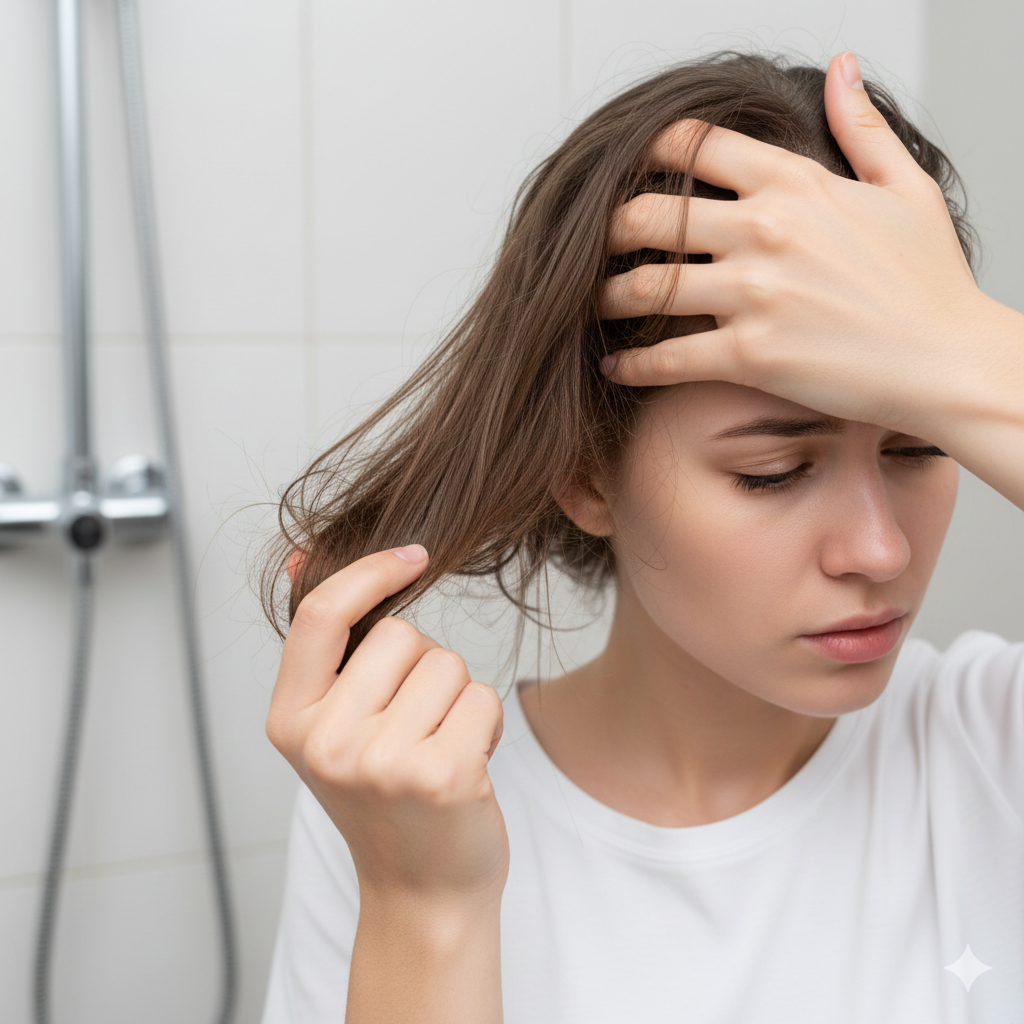
Have you ever walked into a stressful situation and felt your face suddenly drain of color, leaving you looking pale and ghostly? Or perhaps during a heated argument, your cheeks flush a deep, angry red? In 2026, as we become more attuned to subtle body language, Anxiety-Induced Skin Discoloration has emerged as a clear indicator of our internal emotional battles.
Your skin is a living canvas for your emotions. When anxiety takes over, your body’s priority is survival, and that means redirecting blood flow in ways that visibly alter your complexion. Let’s explore why stress paints these colors on your skin and how to restore your natural glow.
1. The 2026 Science: The Vasomotor Response & Emotion
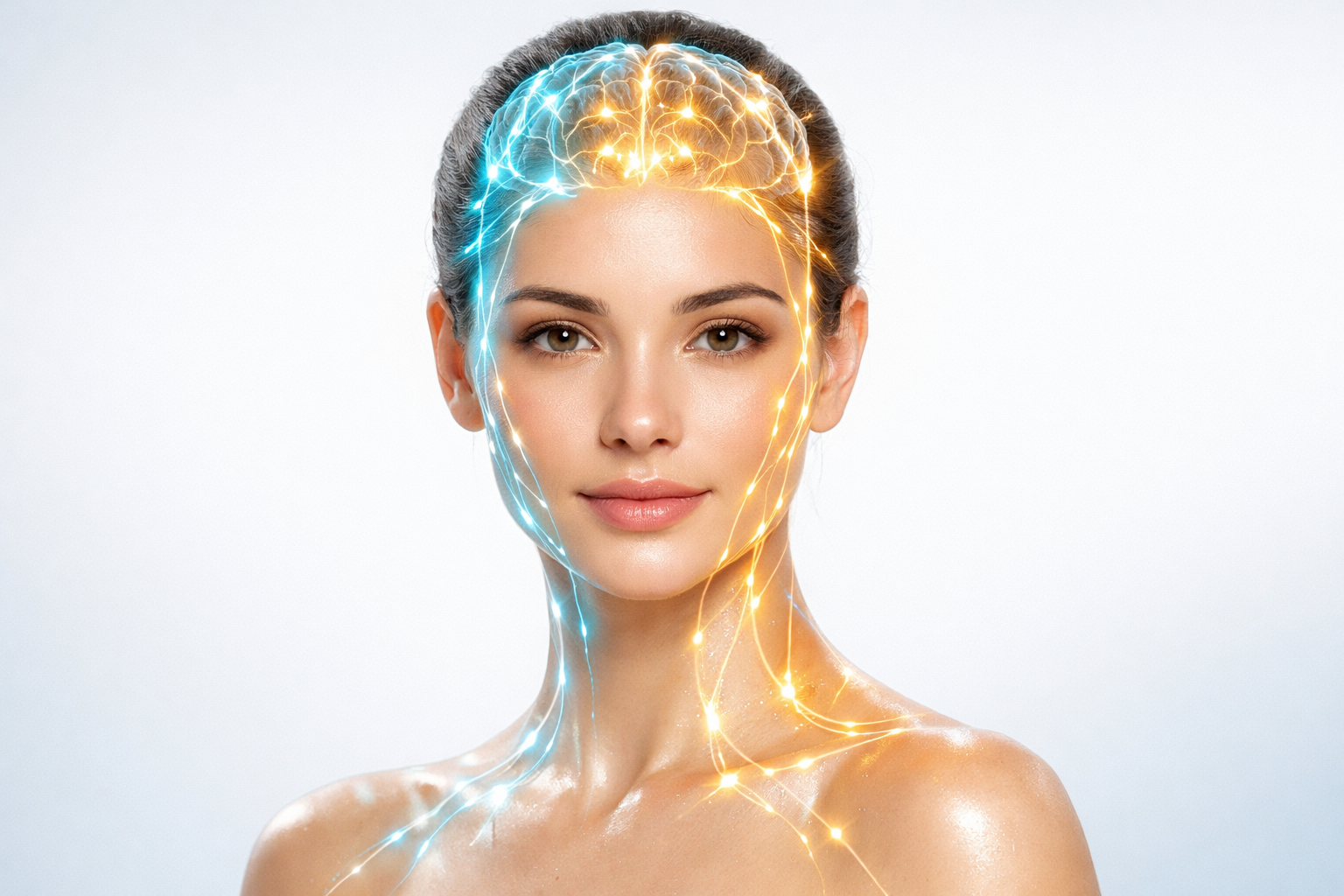
In 2026, psychodermatology provides a deeper look into the Autonomic Nervous System and its direct control over your skin’s blood vessels.
The “Blood Rush” or “Blood Drain”
Anxiety triggers immediate changes in your vasomotor tone (the constriction or dilation of blood vessels):
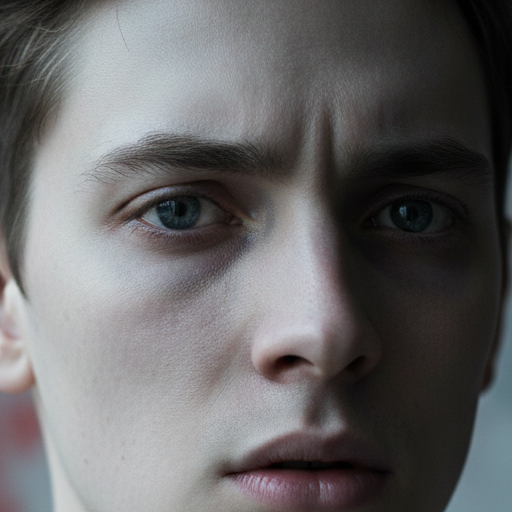
- The “Pale Panic”: The sympathetic nervous system, in “fight or flight” mode, constricts blood vessels to redirect blood to vital organs. This reduces blood flow to the skin, causing sudden pallor (paleness), especially in the face.
- The “Anxiety Flush”: Conversely, some people experience a surge of adrenaline that causes blood vessels to dilate (widen), leading to a rush of blood to the skin’s surface, resulting in intense redness or “blushing.”
2. Common 2026 Signs of “Emotional Complexion”
In our visually driven world of 2026, these skin changes are often misinterpreted, adding to the anxiety:
- Sudden Pallor: A noticeable draining of color from the face, often accompanied by feeling cold.
- Intense Flushing: Bright redness, especially on the cheeks, neck, and décolletage, sometimes with a feeling of heat.
- Mottled Skin: Patches of red and white, particularly on the chest, giving the skin a “blotchy” appearance during high emotional states.
- Circumoral Pallor: A pale ring around the mouth, even if the rest of the face is flushed, often seen during severe anxiety or hyperventilation.
3. 2026 Solutions: How to Rebalance Your Skin’s Hue
To restore your skin’s natural color, you need to regulate your nervous system and promote healthy circulation.
Immediate Color-Correcting Resets
- The “Grounding Gaze”: Look at a fixed object in the room and focus on its details (color, texture). This helps interrupt the brain’s anxious loop and allows your blood flow to normalize.
- Slow, Deep Breathing (Diaphragmatic): Focus on breathing from your belly. This activates the parasympathetic nervous system, signaling your body to relax and allowing blood vessels to return to their normal tone.
- Cool Mist for Flushing: If flushing, a quick spritz of cool thermal water or rosewater can help constrict blood vessels and soothe the skin. For pallor, a warm (not hot) compress can encourage blood flow.
The 2026 “Complexion Calm” Routine
- Niacinamide Skincare: In 2026, skincare products with Niacinamide (Vitamin B3) are excellent for improving skin barrier function and reducing redness and blotchiness, making the skin less reactive to emotional triggers.
- Mindful Movement: Incorporate short bursts of gentle activity (like walking or stretching) throughout the day. This promotes healthy circulation and prevents blood flow stagnation that can contribute to pallor.
4. Building Emotional Resilience for Skin Health
In 2026, consistent emotional regulation is key to preventing drastic skin color changes.
- Emotional Release Techniques: Journaling, talking to a trusted friend, or engaging in creative outlets can help process emotions that might otherwise manifest physically.
- Stress Audits: Regularly assess your daily stressors. Identifying triggers (e.g., specific people, tasks, digital overload) allows you to implement preventative strategies before your skin reacts.
5. When to Seek Professional Guidance
While anxiety is a common cause, persistent or extreme skin color changes should always be evaluated by a professional. Consult a doctor if:
- The pallor is accompanied by extreme fatigue, shortness of breath, or dizziness.
- Flushing is accompanied by heart palpitations, excessive sweating, or lasts for extended periods.
- You have a sudden, widespread rash or skin changes that do not resolve with anxiety management.
Frequently Asked Questions (FAQ)
Can anxiety make my skin look gray or ashy?
Yes. Severe anxiety can cause extreme vasoconstriction, significantly reducing blood flow to the skin, which can result in a grayish or ashen appearance.
Why do some people blush, and others go pale when anxious?
It’s largely genetic and depends on how an individual’s autonomic nervous system is wired. Both are valid stress responses.
Does 2026 “Circulation-Boosting” skincare help?
Yes. Products designed to improve micro-circulation, often with ingredients like Vitamin C or Ginkgo Biloba, can help maintain a more even skin tone and make it less susceptible to sudden changes during stress.
Conclusion
Your skin is an honest storyteller, reflecting your inner world with every flush or pallor. Recognizing these anxiety-induced color changes is the first step toward understanding and nurturing your emotional health. By embracing mindful breathing, skin-soothing routines, and proactive stress management, you can help your skin reflect the calm you cultivate within.