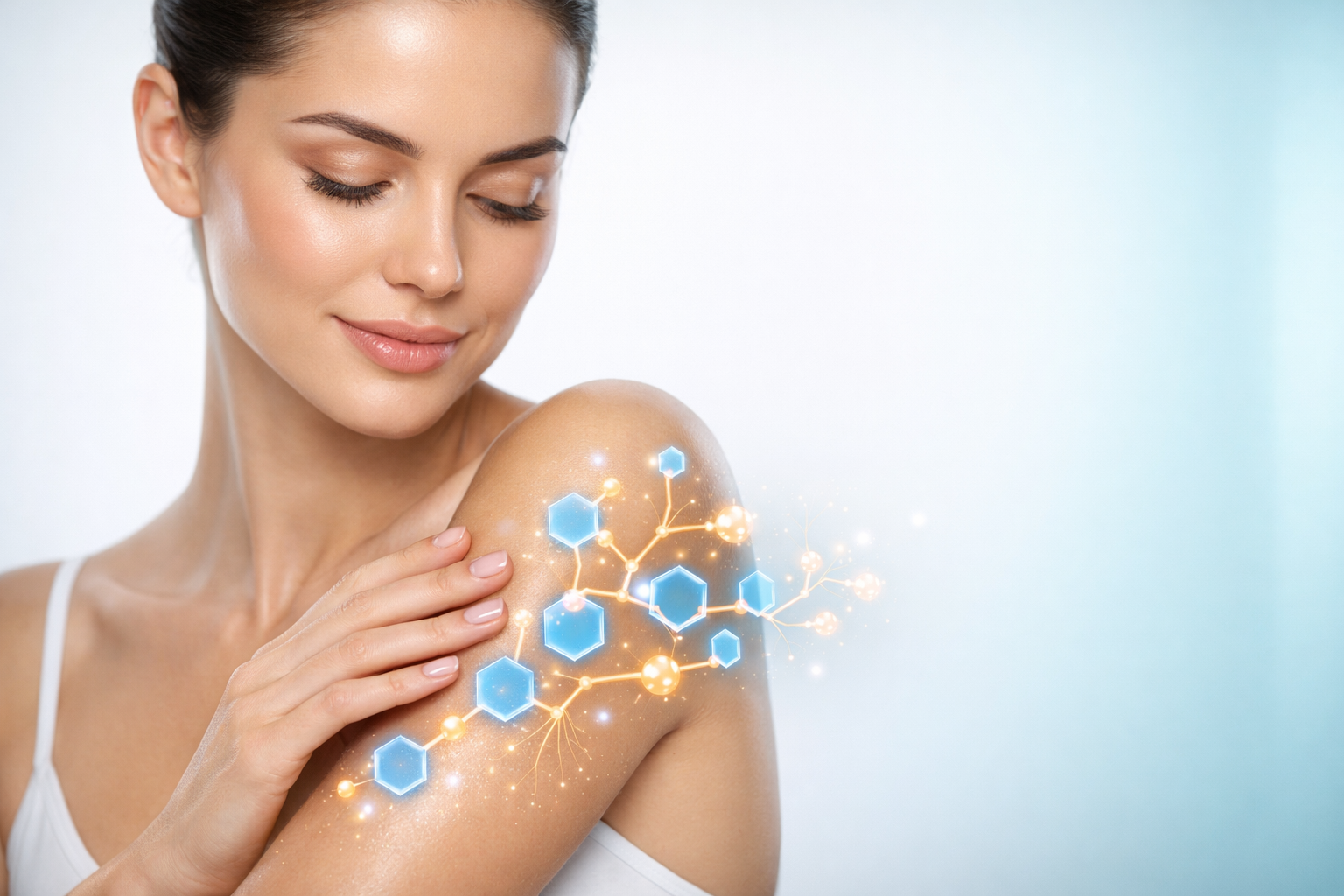
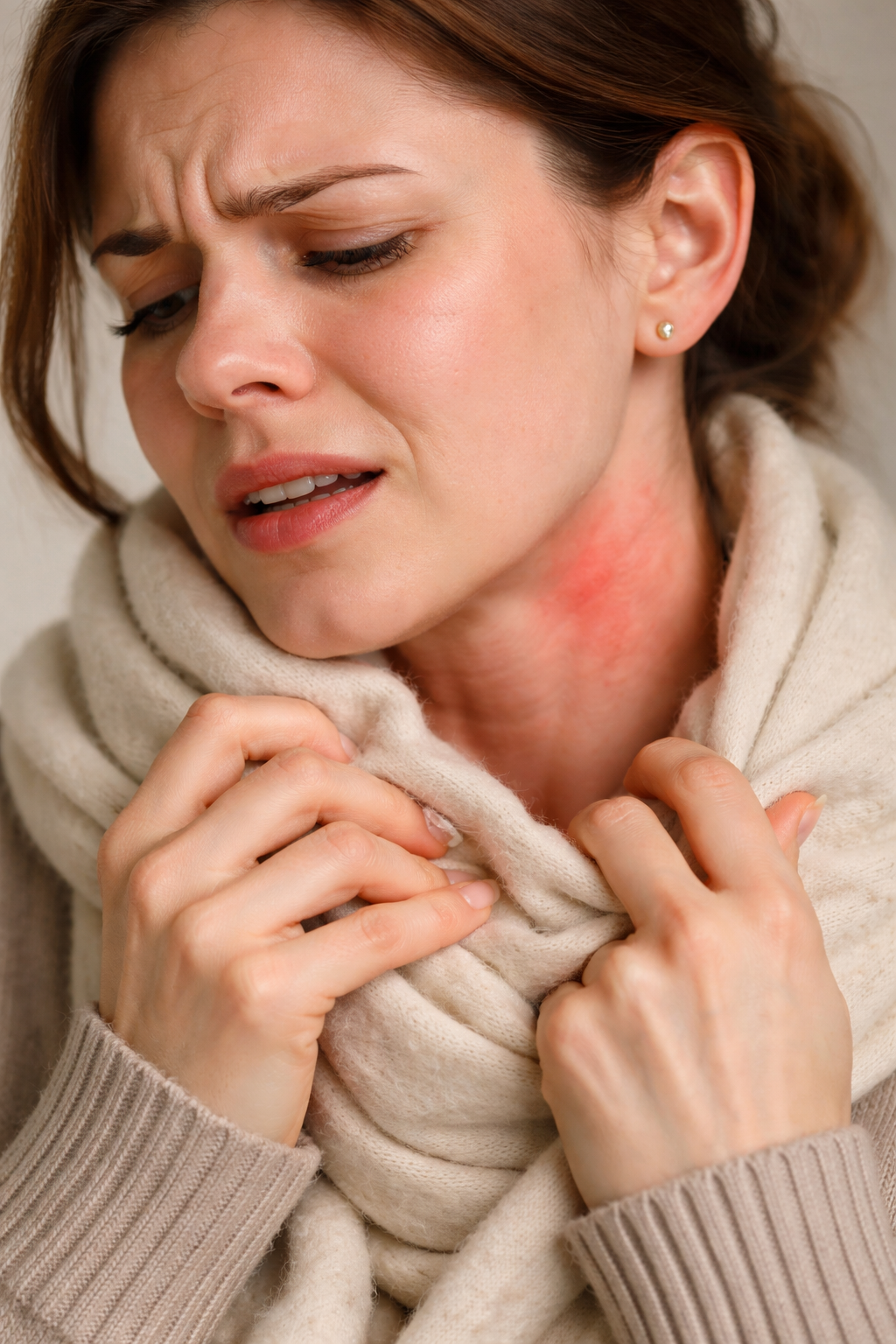
Have you ever had a day where your favorite soft sweater suddenly feels like sandpaper? Or perhaps your skin feels “sore” or bruised, even though there isn’t a mark on it? In 2026, as we understand more about the nervous system, we recognize this as Stress-Induced Skin Sensitivity or Tactile Allodynia.
When your mind is over-saturated with anxiety, your skin’s protective “volume” gets turned up too high. This isn’t an allergy; it’s your nervous system being hyper-vigilant. Let’s decode why your skin feels so sensitive and how to find relief.
1. The Science: Neural Sensitization in 2026
In 2026, we’ve moved beyond just looking at the skin surface. We now look at the Peripheral Nervous System.
Why Stress Makes Skin “Ache”
When you are under chronic pressure, your brain enters a state of Central Sensitization.
- Lowered Threshold: Anxiety lowers the threshold of your “nociceptors” (pain receptors). Things that shouldn’t hurt—like a light breeze or a gentle touch—start sending pain signals to the brain.
- The Cytokine Storm: Stress hormones trigger a micro-release of inflammatory chemicals that bathe your nerve endings, keeping them in a constant state of “high alert.”
2. Common 2026 Signs of “Nervous Skin”
Because our lives are increasingly digital and fast-paced, these symptoms often appear during “burnout” phases:
- Allodynia: Pain from stimuli that don’t normally cause pain (like hair touching your neck).
- Skin “Bruising” Feeling: A deep, localized soreness as if the skin is bruised, but with no visible discoloration.
- The “Electric” Zing: Sudden, sharp shocks that travel across the skin’s surface when you think about a stressful task.
For many people, skin sensitivity appears after periods of itching or burning—these symptoms often overlap.
3. 2026 Relief: How to Lower the “Volume” of Your Nerves
Treating sensitive skin caused by anxiety requires “Gating” the nervous system—blocking the pain signals before they reach the brain.
Immediate Physical Resets
- The “Weighted” Hug: Using a weighted vest or a heavy lap pad for 15 minutes helps ground the sensory system and reduces “neural noise.”
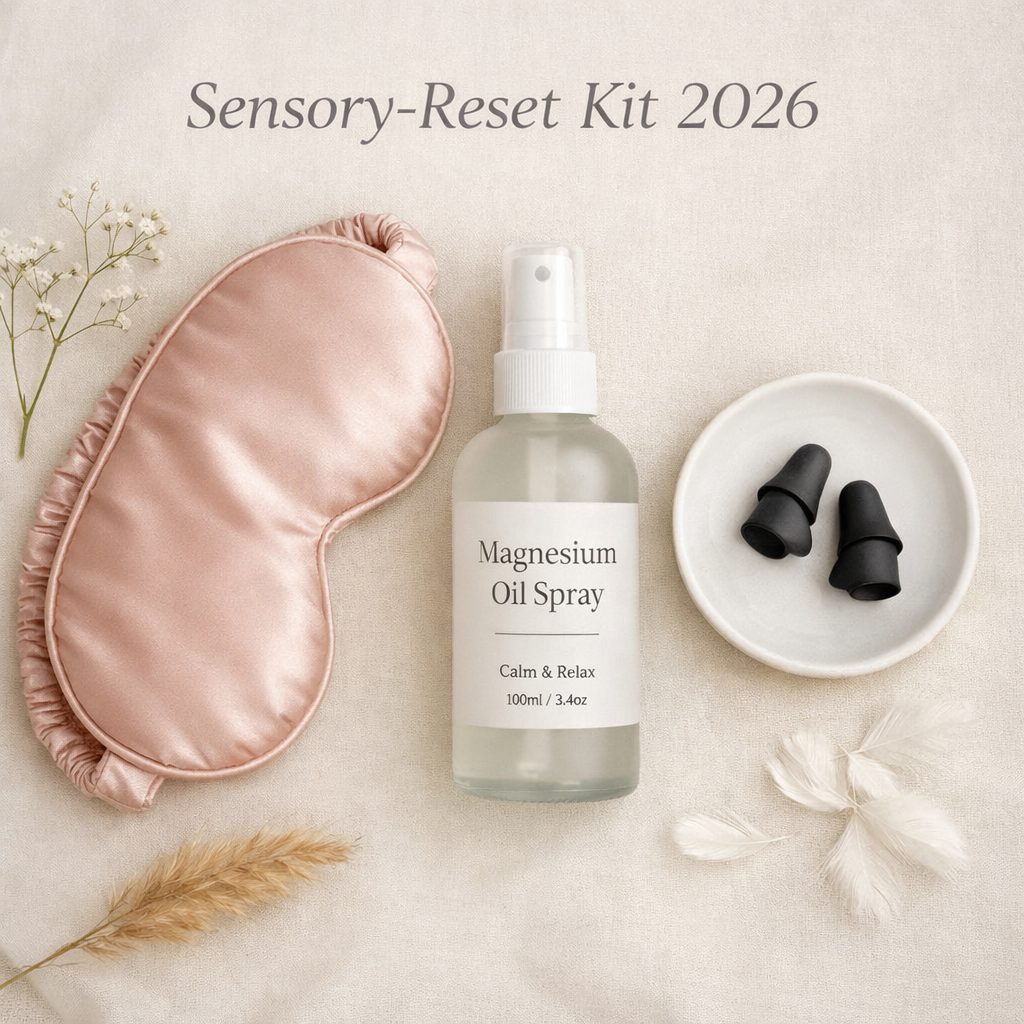
- Silk and Bamboo Fabrics: In 2026, “sensory-friendly” clothing has become a wellness staple. Switching to seamless silk or bamboo prevents the mechanical irritation that triggers sensitized nerves.
- Topical Lidocaine or Magnesium Spray: These Short-term, doctor-approved topical options like lidocaine.
The 2026 “Neuro-Calm” Routine
- Sensory Deprivation: Spend 10 minutes in a dark, silent room. Reducing visual and auditory input allows your brain to stop “magnifying” skin sensations.
- Vagal Toning: Hum or sing softly. The vibration stimulates the Vagus nerve, which is the body’s natural “off switch” for the stress response.
If doctors have told you “everything looks normal,” yet your skin still hurts—this experience is real and increasingly understood.
4. Strengthening the Skin-Mind Connection
In 2026, we treat the skin through Neuro-Dermatology. This means protecting the physical barrier while calming the mental one.
- Ceramide-Rich Balms: Even if your skin isn’t dry, keeping the barrier thick and healthy prevents environmental triggers from reaching those hyper-sensitive nerves.
- The “No-Scroll” Hour: 2026 research shows that “doom-scrolling” increases neural inflammation. Giving your brain a rest gives your skin a rest.
5. When to Seek Professional Guidance
If your skin remains painful or sensitive for long periods, it is important to rule out other conditions. See a professional if:
- The pain is localized to one side of the body (this could be shingles or a nerve issue).
- The sensitivity is accompanied by extreme fatigue or muscle weakness.
- Your quality of life is suffering because you can no longer wear your normal clothing.
Frequently Asked Questions (FAQ)
Can anxiety cause skin to hurt to the touch?
Yes. This is called tactile allodynia. It happens when the nervous system becomes over-sensitized due to high levels of cortisol and adrenaline.
How do I tell the difference between “Anxiety Skin” and Fibromyalgia?
While both involve nerve sensitivity, “Anxiety Skin” usually fluctuates directly with your stress levels, whereas Fibromyalgia is often a more constant, systemic condition. A doctor can help differentiate the two.
What are the best 2026 ingredients for sensitive skin?
Look for Ectoin, Bisabolol, and Madecassoside. These 2026 favorites are specifically chosen for their ability to soothe both the skin barrier and the underlying nerve pathways.
Conclusion
Your skin is an extension of your mind. When it feels sore or sensitive, it’s not a sign of weakness—it’s a sign that your sensory system is overwhelmed. By embracing sensory self-care and calming your nervous system, you can turn down the volume on the pain and feel comfortable in your skin once more.