As we navigate the high-speed digital lifestyle of 2026, our bodies are finding new ways to tell us when we’ve reached our limit. Have you ever felt a strange “crawling” sensation on your arms, or a persistent tingling on your face that seems to appear whenever your inbox overflows?
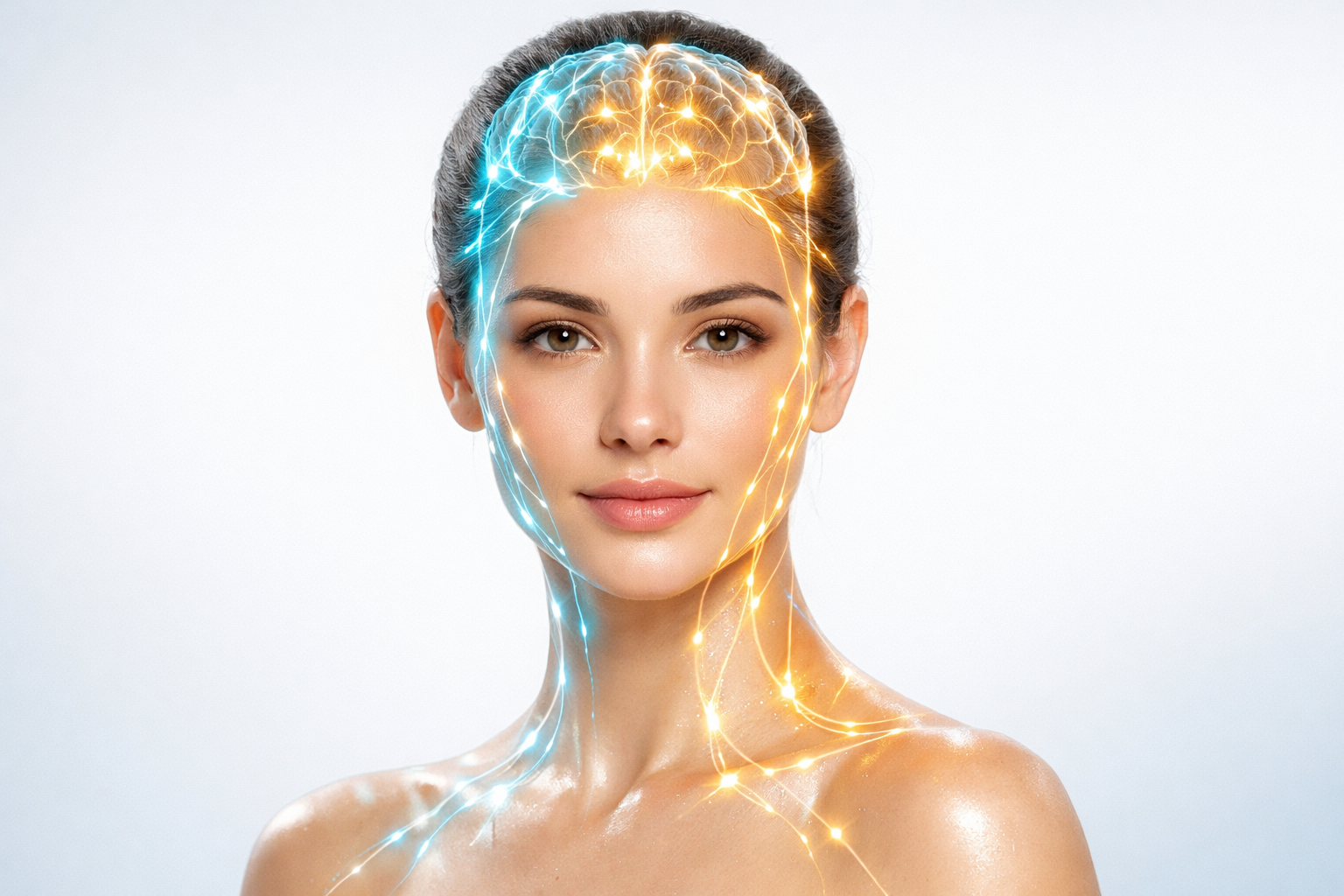
This phenomenon, often called Skin Paresthesia, is the latest frontier in psychodermatology. It’s not just “in your head”—it’s a sophisticated biological response to the sensory overload of modern life.
1. The 2026 Perspective: The Gut-Brain-Skin Connection
For years, we talked about the Brain-Skin Axis. In 2026, we now understand the Gut-Brain-Skin Triangle.
How Stress Triggers the “Crawling” Feeling
When chronic anxiety strikes, it doesn’t just release cortisol; it disrupts your gut microbiome and your skin’s nervous system simultaneously.
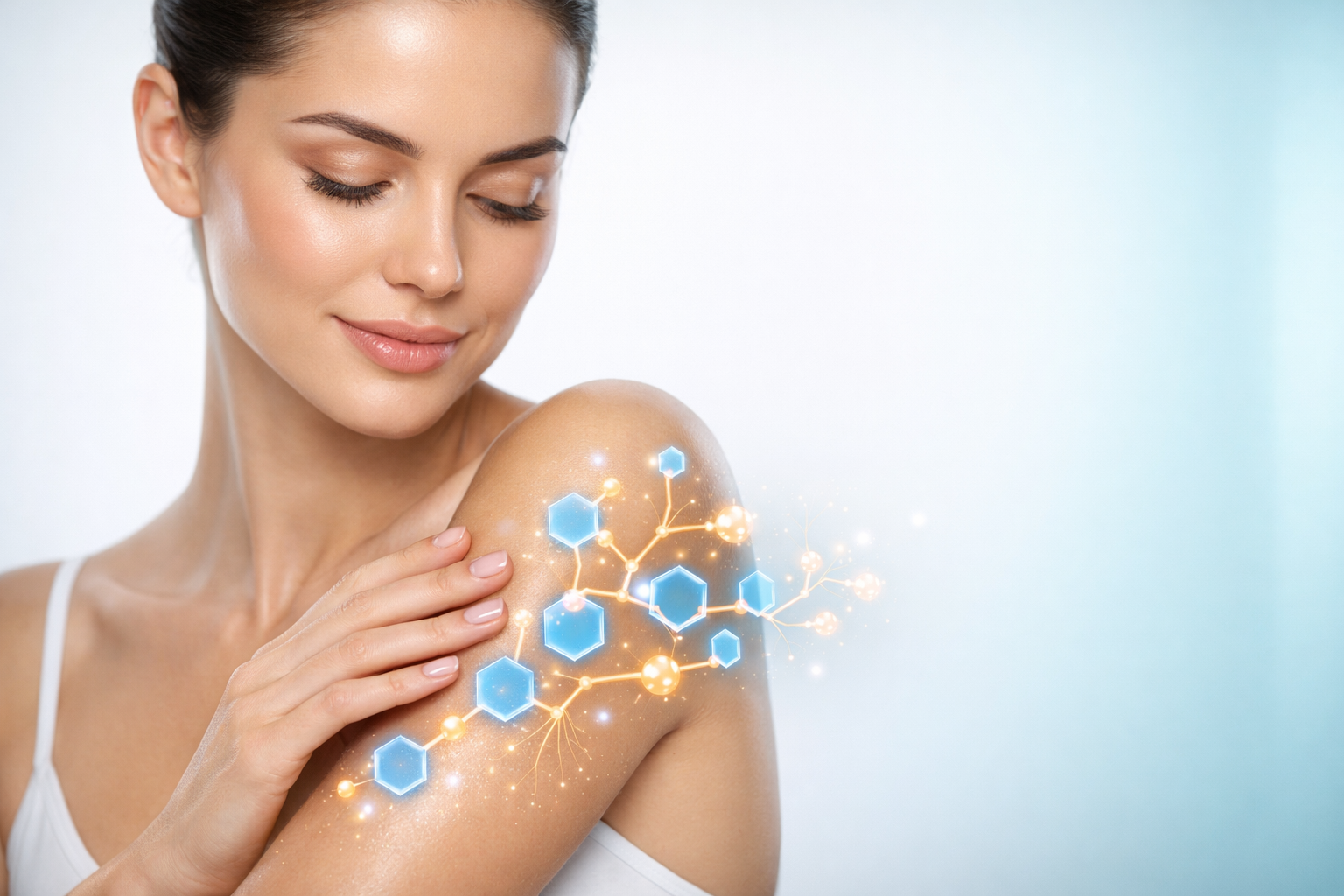
- Cytokine Release: Stress triggers inflammatory messengers (cytokines) that travel to the skin, making nerve endings fire randomly.
- The “Digital Twitch”: Overexposure to blue light and constant notifications keeps our nervous system in a state of hyper-arousal, leading to “phantom” skin sensations like itching or tingling.
2. Recognizing the “Invisible Itch” and Sensory Overload
In an era of wearable tech and constant connectivity, stress-induced skin sensations have evolved. Common 2026 presentations include:
- Formication: The specific feeling of small insects crawling on or under the skin.
- Phantom Vibrations: Feeling your skin “buzz” as if a phone is vibrating against your leg, even when you aren’t carrying one.
- Skin Fatigue: A dull, heavy sensitivity where the skin feels “tired” or sore to the touch after a long day of mental strain.
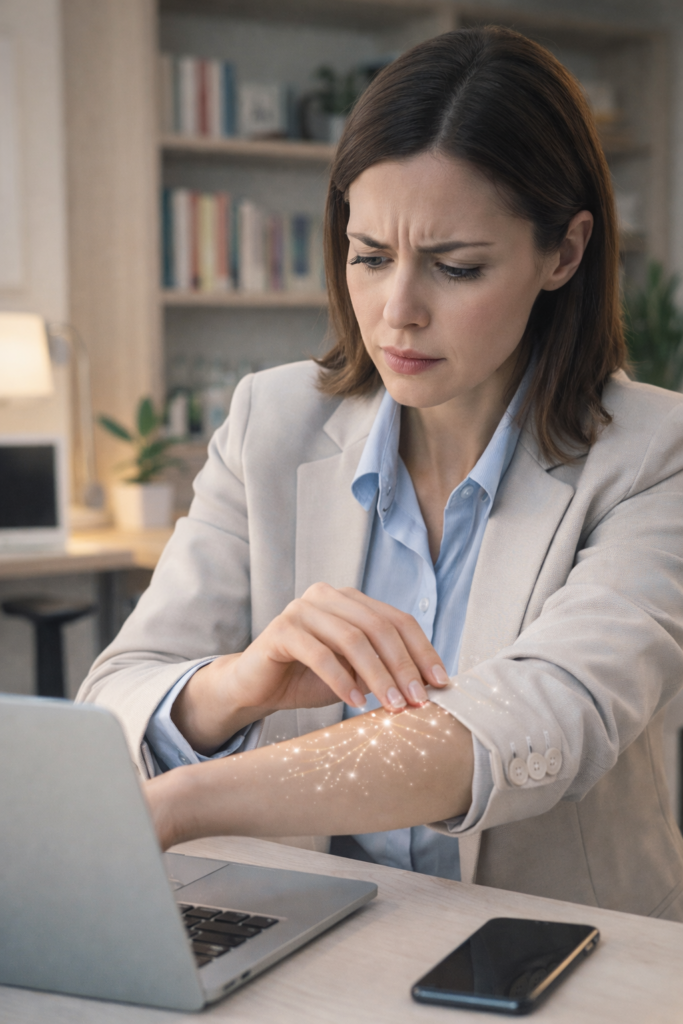
3. Why Modern Life Makes Your Skin “Buzz”
The psychological driver behind this is Sensory Overload. In 2026, our brains process more data per hour than ever before. When the brain cannot process more “input,” it offloads that energy into the peripheral nervous system—your skin.
This is your body’s way of demanding a Sensory Reset. If you ignore the tingling, it often escalates into the burning sensation we’ve discussed previously.
4. 2026 Solutions: Restoring Your Skin’s Peace
Treating skin tingling in 2026 requires a “Bi-Lateral” approach—calming the barrier and the nerves at once.
Immediate “Cool Down” Strategies
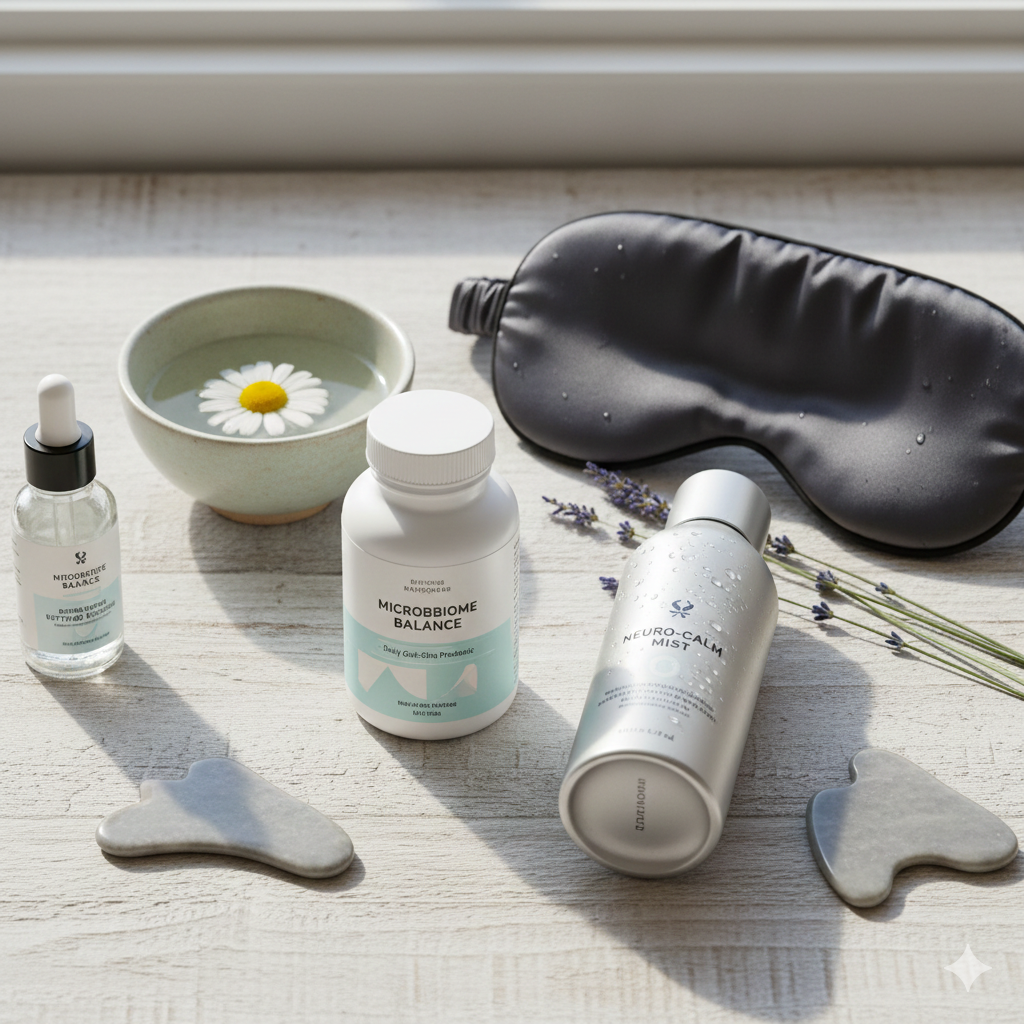
- Neuro-Cosmetics: Look for skincare containing Ectoin or Peptides designed to “switch off” overactive nerve signals in the skin.
- The “Tech-Fast” Cooling Mist: Keep a rosewater or cucumber mist in your fridge. The cold shock breaks the neural loop of tingling.
- Weighted Pressure: Using a weighted blanket for 10 minutes can ground your nervous system and stop the “crawling” sensations instantly.
Long-Term Neural Health
- Microbiome Support: 2026 research shows that taking Lactobacillus-rich probiotics can strengthen the skin barrier from the inside out, making it less reactive to stress.
- Digital Sunset: Disconnecting from all screens 60 minutes before bed allows your skin’s repair hormones to peak.
5. When to Consult a Psychodermatologist
If your “skin buzzing” or tingling becomes a daily distraction, it’s time to seek a specialist who understands the 2026 landscape of health.
- See a pro if: The tingling leads to “skin picking” (Dermatillomania).
- See a pro if: You notice actual numbness or loss of sensation in specific areas.
- See a pro if: The sensations are preventing you from focusing on work or enjoying social interactions.
If you’ve had medical tests and everything came back “normal,” yet your skin still tingles—this article is for you.
Frequently Asked Questions (FAQ)
Can “digital burnout” cause skin tingling?
Yes. Excessive screen time and mental fatigue lead to a state of high neural “noise,” which the brain interprets as physical skin sensations like buzzing or crawling.
What is the difference between an allergy and anxiety tingling?
An allergy almost always comes with a visible sign (redness, hives, or swelling). Anxiety-induced tingling is usually “invisible” and tends to move around the body depending on your stress level.
Will 2026 “Neuro-Skincare” actually help?
New formulations with ingredients like Palmitoylethanolamide (PEA) are specifically designed to calm the skin’s nerve endings, making them very effective for stress-related paresthesia.
Read our full guide on Anxiety and Skin Burning to understand the next stage.
Conclusion
As we move through 2026, remember that your skin is your body’s early warning system. That tingling or crawling sensation isn’t an annoyance—it’s an invitation to pause, disconnect, and nurture your nervous system. By treating your skin with the same kindness you give your mind, you can find balance in a busy world.
This article is informational and does not replace professional medical advice.