
If you struggle with hyper-reactive, sensitive skin, or the frustrating sensation of your skin tingling and crawling during moments of high stress, you know that finding relief can feel like navigating a minefield. For decades, the skincare industry has marketed essential oils as the ultimate “natural” cure-all. However, anyone with genuinely sensitive skin knows that the wrong drop of oil can trigger a fiery rash, exacerbate itching, and send the nervous system into a tailspin.
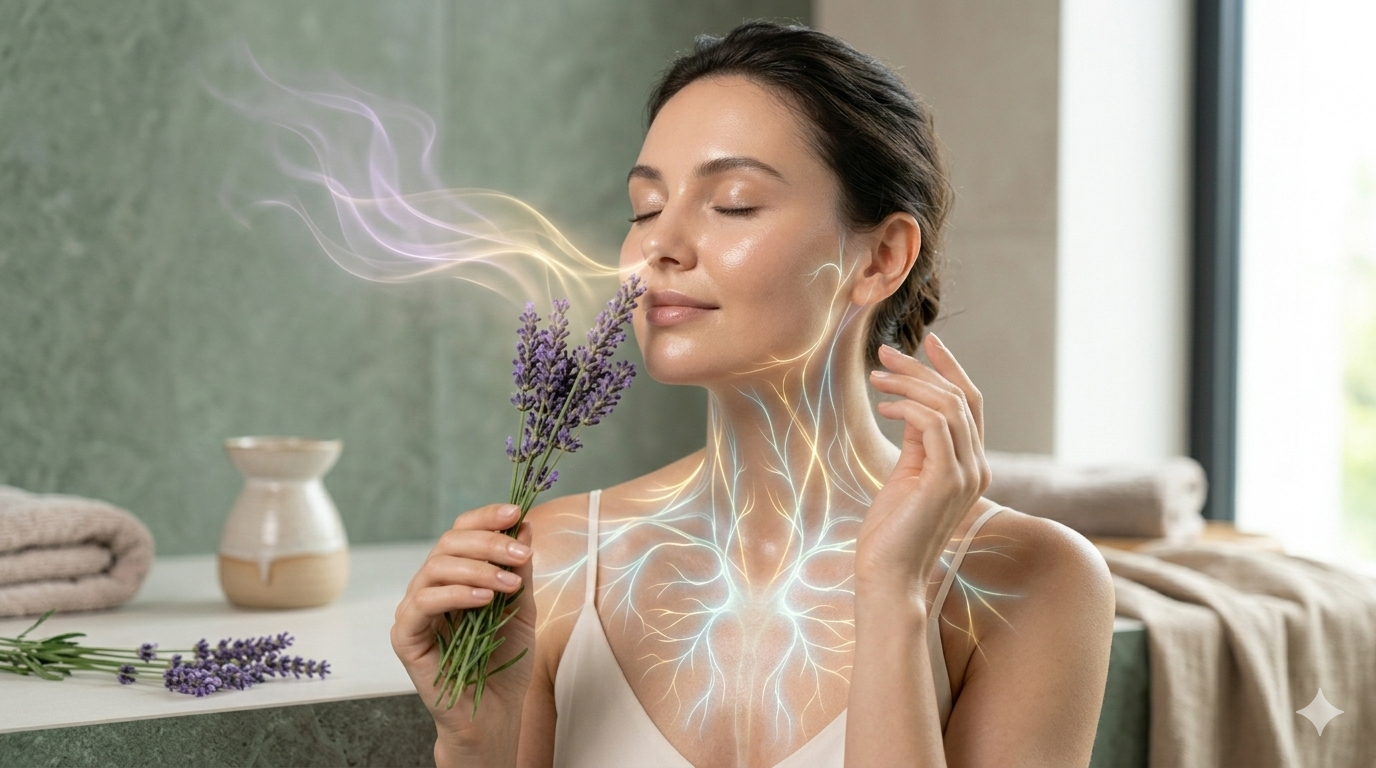
As we move through 2026, the science of psychodermatology—the study of how the mind and skin interact—has completely reshaped how we view botanical extracts. We now understand that essential oils are not just topical treatments; they are potent neurological modulators. When used correctly, specific scents can bypass the skin’s barrier, travel through the olfactory system, and directly soothe an overactive nervous system, effectively turning off the alarm bells that cause “anxious skin.”
In this comprehensive guide, we will explore the delicate balance of neuro-aromatherapy. We will uncover which essential oils for skin relief actually soothe the nerves, which ones you must avoid, and how to safely dilute them to eliminate anxiety tingles without causing a localized allergic reaction.
The Neuroscience of Scent: How Aromatherapy Calms the Skin
To understand how a scent can stop a physical skin sensation, we must look at the anatomy of the brain. The sensation of “anxious skin”—including tingling, burning, and sudden hives—is heavily influenced by the autonomic nervous system. When you are stressed, your body releases cortisol and adrenaline, which inflame the skin and cause nerve endings to misfire. (You can read more about this phenomenon in our guide onHow to Stop the Skin Crawling Feeling: Relief for Anxiety Tingles).
When you inhale the volatile aromatic compounds of an essential oil, the scent molecules travel up your nasal cavity and bind to olfactory receptors. These receptors send an immediate electrical signal to the limbic system—the emotional and memory center of the brain, which includes the amygdala and hippocampus.
This process happens in milliseconds. A scientifically proven calming scent can instantly instruct the amygdala to stop producing stress hormones. When cortisol drops, your blood vessels dilate, your heart rate slows down (often via the Vagus Nerve), and the inflammatory neuropeptides in your skin are neutralized.
In short: By calming the brain through scent, you systematically calm the nerve endings in the skin.
The Danger Zone: Why Essential Oils Can Trigger Sensitive Skin
Before we list the best oils, we must address the elephant in the wellness room: Essential oils are highly concentrated chemical compounds, and many of them are terrible for sensitive skin.
Just because something is “100% natural” does not mean it is safe to apply directly to a compromised skin barrier. Citrus oils (like lemon, lime, and sweet orange) contain furanocoumarins, which cause phototoxicity when exposed to sunlight, leading to severe burns and hyperpigmentation. Oils like peppermint, cinnamon, and eucalyptus contain high levels of menthol, cinnamaldehyde, and eucalyptol. While these may smell refreshing, they are known neuro-stimulants and skin sensitizers that can cause the very tingling and burning sensations you are trying to avoid.
According to the American Academy of Dermatology (AAD), botanical extracts and heavily fragranced essential oils are among the leading causes of Allergic Contact Dermatitis.
The Golden Rule of 2026: If your skin is actively tingling, broken, or suffering from a severe eczema flare-up, do not apply essential oils topically. Instead, rely on indirect inhalation (diffusers) to reap the neurological benefits, and use clinically proven neuro-cosmetics, such as the ones reviewed in our guide to The Best Over-the-Counter Creams for Sensitive, Tingling Skin.
The 5 Best Essential Oils to Soothe Nerves and Calm Skin
If you are looking to integrate essential oils into your routine safely, you must select oils that are low in volatile allergens and high in compounds clinically proven to depress the central nervous system safely. Here are the top five scents that actually work.
1. Roman Chamomile (Anthemis nobilis)
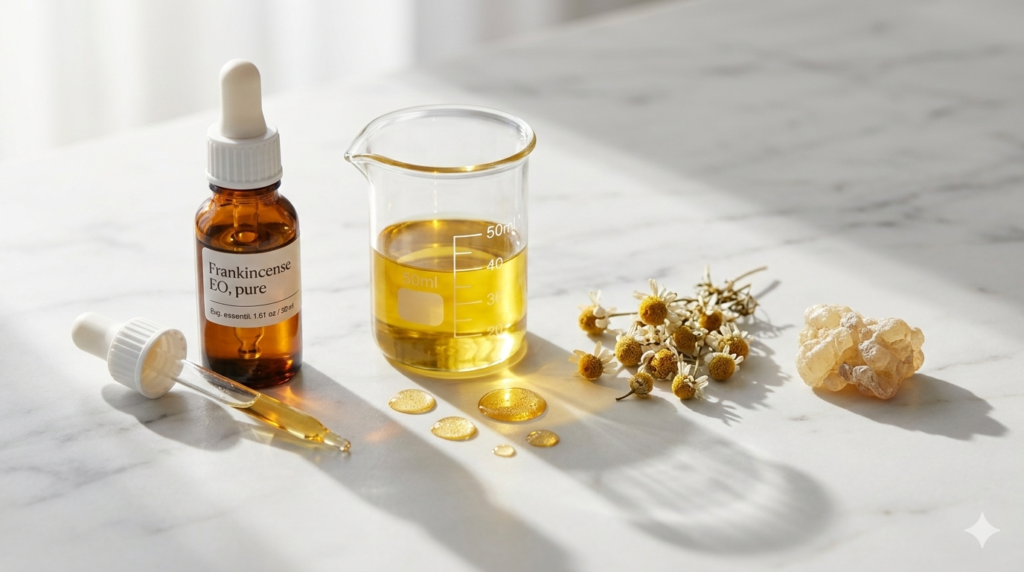
If there is one champion for sensitive, anxious skin, it is Roman Chamomile. Long celebrated in herbal medicine, its essential oil is a powerhouse of anti-inflammatory action.
- The Active Compound: Bisabolol and chamazulene.
- How it Works: Bisabolol is renowned for its ability to inhibit pro-inflammatory enzymes in the skin. Neurologically, the sweet, apple-like scent of Roman chamomile acts as a mild sedative, significantly reducing anxiety and the physical stress responses that lead to stress-induced hives and formication (the skin-crawling feeling).
- Best For: Eczema-prone skin, nervous rashes, and bedtime anxiety.
2. Lavender (Lavandula angustifolia)
Lavender is the most extensively researched essential oil in the world for a good reason. However, it is vital to ensure you are using true Lavandula angustifolia, not “Lavandin” (a hybrid that contains higher camphor levels, which can irritate the skin).
- The Active Compound: Linalool and linalyl acetate.
- How it Works: Research published in theNational Institutes of Health (NIH) demonstrates that inhaling linalool acts directly on the brain’s GABA receptors—the same neural pathways targeted by anti-anxiety medications. Topically (when heavily diluted), linalool accelerates wound healing and promotes the synthesis of collagen.
- Best For: Generalized stress breakouts, wound healing, and calming an overactive nervous system.
3. Copaiba (Copaifera officinalis)
Sourced from the resin of South American Copaifera trees, Copaiba is the breakout star of the 2026 skincare world. It is highly prized for its profound soothing effects without the psychoactive properties of cannabis.
- The Active Compound: Beta-caryophyllene (BCP).
- How it Works: BCP is a dietary cannabinoid that binds directly to the CB2 receptors in the human endocannabinoid system. When applied topically (diluted) or inhaled, Copaiba massively reduces inflammatory cytokines in the skin and acts as a mild analgesic (pain reliever), making it incredibly effective at stopping nerve pain and tingling.
- Best For: Neuropathic tingling, inflammatory acne, and localized skin pain.
4. Frankincense (Boswellia carterii)
Frankincense is considered the “King of Oils” in holistic dermatology. Its deep, resinous, woody scent has been used for millennia to ground the mind during meditation and spiritual practices.
- The Active Compound: Boswellic acids and alpha-pinene.
- How it Works: Inhaling alpha-pinene has a proven regulating effect on the autonomic nervous system, slowing down a racing heart and deepening the breath (which stimulates vagal tone). Topically, boswellic acids are powerful tissue remodelers that protect the skin’s elastin and hyaluronic acid from degrading during times of high cortisol.
- Best For: Panic attacks, skin barrier repair, and mature, reactive skin.
5. Sandalwood (Santalum album)
Sandalwood provides a creamy, grounding woodsy scent that is profoundly stabilizing for an erratic nervous system.
- The Active Compound: Alpha-santalol.
- How it Works: Alpha-santalol acts as a central nervous system depressant. Unlike lavender, which can put you to sleep, sandalwood promotes a state of calm, relaxed alertness. It is also a natural astringent and anti-inflammatory, meaning it can soothe mild irritations and help regulate sebum production caused by stress spikes.
- Best For: Mid-day anxiety tingles, oily yet sensitive skin, and mental grounding.
How to Use Essential Oils Safely for Tingling Skin
If you have sensitive skin, the method of delivery is just as important as the oil you choose. TheNational Association for Holistic Aromatherapy (NAHA) stresses that essential oils should almost never be used “neat” (undiluted) on the skin.
Here is how to safely harness the power of these scents in 2026:
Method 1: The Olfactory Rescue (Inhalation)
If your skin is currently tingling, burning, or experiencing a crawling sensation, skip topical application entirely. The safest way to use essential oils is to let your brain do the work.
- Personal Inhalers: Purchase a blank aromatherapy inhaler tube. Add 10-15 drops of Roman Chamomile or Copaiba to the internal cotton wick. When you feel a wave of anxiety or skin tingling, take three slow, deep breaths from the inhaler.
- Passive Diffusion: Add 4-5 drops of Lavender or Frankincense to a cold-water ultrasonic diffuser in your bedroom 30 minutes before sleep. This lowers cortisol levels overnight, allowing your skin to repair its barrier undisturbed.
Method 2: The Ultra-Safe Topical Dilution
If your skin barrier is intact but you want to treat localized stress-inflammation, you must dilute the essential oil in a high-quality “carrier oil.” Carrier oils are fatty plant oils that do not evaporate and help drive the essential oil safely into the epidermis without causing a chemical burn.
- The Best Carrier Oils for Sensitive Skin: Squalane (biocompatible and non-comedogenic), Jojoba Oil (mimics human sebum), or pure Rosehip Seed Oil.
- The 0.5% Rule: For highly sensitive, anxious skin, a 0.5% dilution rate is the maximum recommended dosage. This equates to 1 drop of essential oil per 10ml (2 teaspoons) of carrier oil.
- Patch Testing: Always apply a single drop of your diluted mixture to the inside of your forearm. Wait 24 hours. If there is no redness, itching, or tingling, it is safe to use on larger areas.
Method 3: The Pulse-Point Application
Rather than slathering an essential oil blend all over your face or body, use it specifically as a neurological tool. Apply a tiny dab of your heavily diluted Sandalwood or Lavender oil to your pulse points (the wrists, the sides of the neck, and behind the ears). Because the blood vessels are close to the surface here, the scent is gently warmed and wafted to your nose throughout the day, providing continuous nervous system regulation.
The Mind-Skin Synergy: Moving Forward
Treating skin that tingles, crawls, or breaks out due to anxiety requires a holistic shift in perspective. Essential oils are not magic potions that will instantly cure a damaged skin barrier, but they are highly effective, scientifically backed tools for managing the internal state that causes the barrier to break down in the first place.
By carefully selecting neuro-soothing oils like Roman Chamomile, Copaiba, and true Lavender, and by respecting the immense potency of these plant extracts through proper dilution and inhalation, you can successfully bio-hack your body’s stress response.
Frequently Asked Questions (FAQ)
Can essential oils cause the “skin crawling” sensation?
Yes, absolutely. If you use an essential oil that is known to be a neuro-stimulant (like peppermint or camphor), or if you apply a safe oil without diluting it in a carrier oil, it can overstimulate the nerve endings in your skin. This can lead to a burning, tingling, or crawling sensation, as well as contact dermatitis.
What is the difference between essential oils and synthetic fragrances?
Essential oils are volatile compounds extracted directly from plants, containing hundreds of complex molecules that interact chemically with your body’s cellular receptors. Synthetic fragrances (listed as “parfum” or “fragrance” on skincare labels) are lab-created chemicals designed only to smell good. Synthetic fragrances do not offer the neurological benefits of true essential oils and are the number one cause of allergic skin reactions.
Is it safe to put essential oils in my bath?
Water and oil do not mix. If you drop pure essential oil directly into bathwater, the undiluted drops will float on the surface and attach directly to your skin, potentially causing chemical burns—especially in sensitive areas. To safely use essential oils in a bath, you must first mix them with a liquid carrier oil or a designated bath gel before adding them to the water.
Can aromatherapy replace my anti-itch creams?
No. Aromatherapy is a complementary therapy. While inhaling lavender or frankincense will lower your cortisol and reduce the urge to scratch, it will not instantly numb a physical itch. For immediate physical relief from severe tingling or itching, rely on a dermatologist-recommended product containing Pramoxine Hydrochloride or PEA, then use essential oils to maintain a calm nervous system.
Conclusion
The evolution of wellness in 2026 has taught us that true skin health is an inside-out job. The connection between our olfactory system, our emotions, and our epidermis is undeniable. When you feel the familiar, frustrating wave of anxiety tingles or an impending stress breakout, reaching for a potent, calming scent can act as a circuit breaker for your nervous system.
Whether you choose the anti-inflammatory power of Roman Chamomile, the cannabinoid-like soothing of Copaiba, or the grounding depth of Sandalwood, essential oils for skin relief are a beautiful addition to a holistic skincare routine. Remember: dilute diligently, prioritize inhalation for extreme sensitivity, and let the science of scent guide your skin back to a state of profound calm.