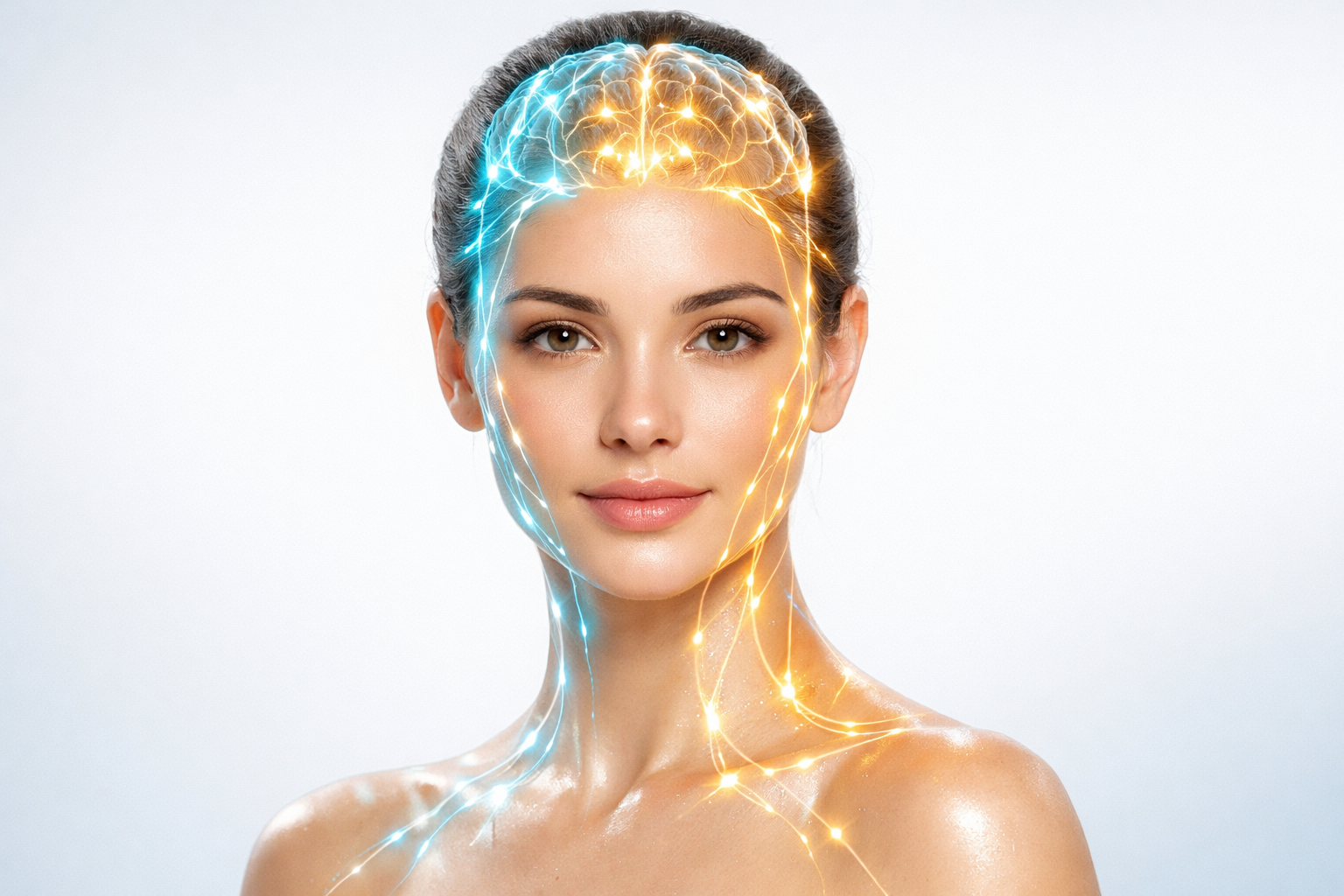
It starts as a faint buzz, a strange “fizzy” sensation around your lips, or a sudden numbness in your cheeks just as you’re about to start a big meeting. You check the mirror—nothing looks wrong, but your face feels like it’s vibrating. In 2026, this is widely recognized as Anxiety-Induced Facial Paresthesia.
When your mind is racing at 100 mph, your facial nerves are often the first to pick up the signal. Let’s dive into why stress makes your face feel “fuzzy” and how you can ground yourself instantly.
If you’ve ever feared something serious was happening to your face, you’re not alone—and this symptom is far more common than most people realize.
1. The 2026 Science: The Trigeminal Nerve & Stress
In 2026, psychodermatologists focus heavily on the Trigeminal Nerve—the main nerve responsible for sensation in your face.
The “Hyper-Arousal” Effect
When anxiety hits, your body’s “fight or flight” response reroutes blood flow and oxygen to your vital organs (like your heart and lungs) and away from the skin’s surface.
- Micro-Twitches: Low oxygen levels in the skin can cause tiny nerve endings to fire rapidly, creating a tingling or “pins and needles” sensation.
- Hyperventilation (The Hidden Trigger): Even if you don’t feel short of breath, anxiety often causes shallow breathing. This changes the carbon dioxide levels in your blood, which directly causes tingling in the extremities and the face.
2. Common Symptoms of “Anxiety Face”
In our high-pressure 2026 environment, these symptoms often show up during “sensory overload”:
- The “Lip Buzz”: A vibrating sensation specifically around the mouth or tip of the nose.
- Cheek Numbness: A feeling like the skin on your cheeks is “thick” or unresponsive.
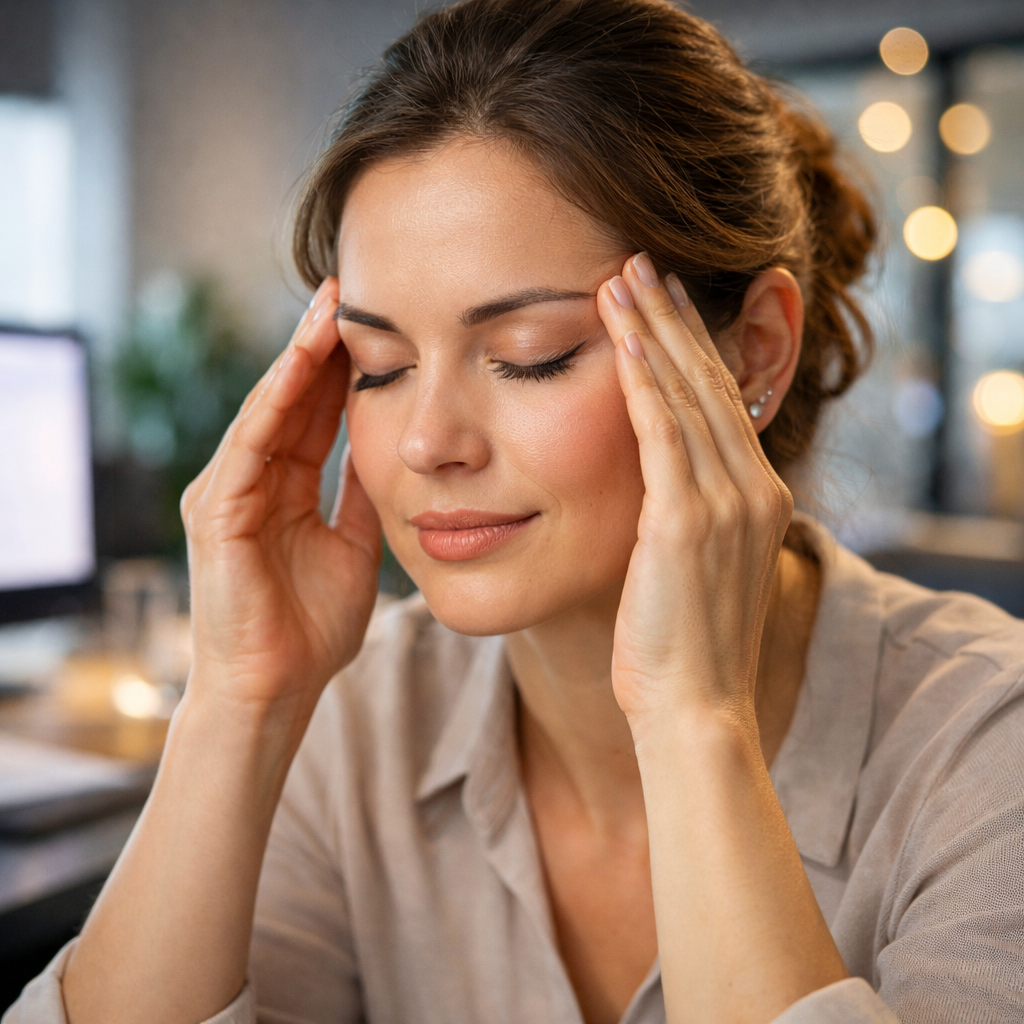
- Scalp Tightness: A sensation as if your scalp is being pulled, often leading to tension headaches.
3. 2026 Relief: How to Stop the “Face Fuzz” Instantly
If your face starts tingling due to stress, the goal is to balance your blood chemistry and calm the nerves.
Immediate Bio-Hacks
- The “Cupped Hands” Breath: Breathe into your cupped hands for 60 seconds. This helps rebalance your carbon dioxide levels, which can stop tingling in less than a minute.
- Cold Water Shock: Splash your face with ice-cold water. This stimulates the Vagus Nerve and forces your blood flow to stabilize, “resetting” the facial nerves.
- Jaw Release: Much of facial tingling comes from clenching. Drop your jaw, place your tongue on the roof of your mouth, and exhale slowly.
The 2026 “Nerve-Calm” Routine
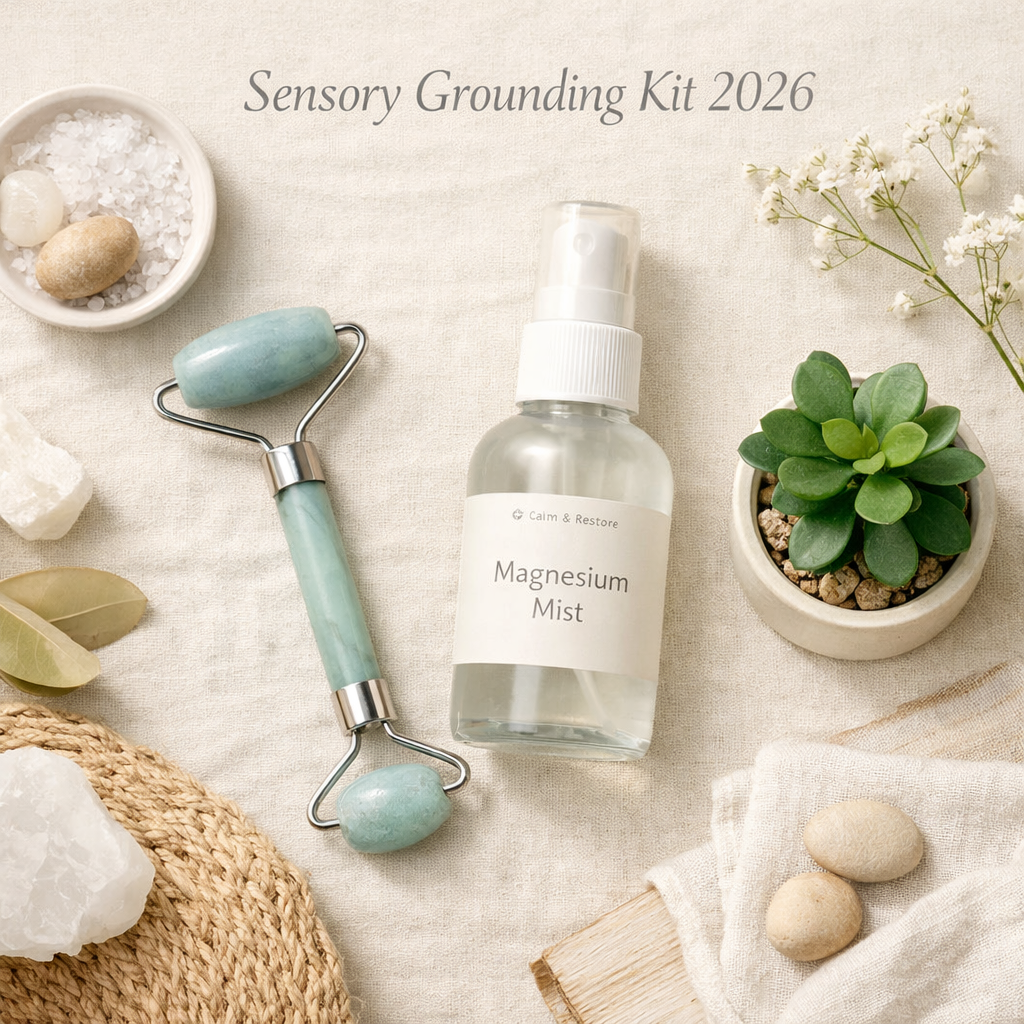
- Magnesium Facial Mists: New for 2026, topical magnesium mists some people find topical magnesium sprays soothing on the skin to help relax the underlying muscles and nerves.
- Grounding Exercises: Push your feet firmly into the floor. Shifting your focus from your face to your feet tells your brain the “threat” is over.
Facial tingling often overlaps with burning or skin sensitivity during anxiety.
4. Building Long-Term Facial Resilience
Preventing the “fuzzy” feeling means managing your Neural Load.
- Neuro-Massage: Spend 2 minutes a night using a Gua Sha or your fingers to massage the jawline and brow. This prevents the “storage” of stress in facial muscles.
- Limit Stimulants: In 2026, we know that excessive caffeine combined with stress is the #1 recipe for nerve twitching. Try switching to L-Theanine enriched teas for a calmer focus.
5. When to Seek Medical Advice
While facial tingling is a hallmark of anxiety, it’s important to stay safe. Consult a professional if:
- The tingling is only on one side of the face and is accompanied by drooping.
- You experience sudden slurred speech or vision changes (Seek emergency care).
- The numbness lasts for hours even after you have calmed down.
Frequently Asked Questions (FAQ)
Can anxiety cause my lips to feel numb?
Yes. Facial paresthesia often starts around the lips and mouth due to changes in breathing patterns during stress.
How do I know if it’s anxiety or a stroke?
Anxiety tingling usually affects both sides or moves around, while a stroke typically affects one side and includes muscle weakness. Always err on the side of caution and consult a doctor if unsure.
What is the “Brain-Skin Axis” in 2026?
It is the understanding that our skin and brain are constantly “chatting.” By calming the skin (cool mists, massage), we can actually send a signal back to the brain to stop the anxiety response.
Conclusion
Your face is the most expressive part of your body—not just to others, but to yourself. When it tingles or feels fuzzy, it’s a gentle tap on the shoulder from your nervous system. By practicing mindful breathing and using sensory cooling, you can quiet the noise and find your glow again in 2026.