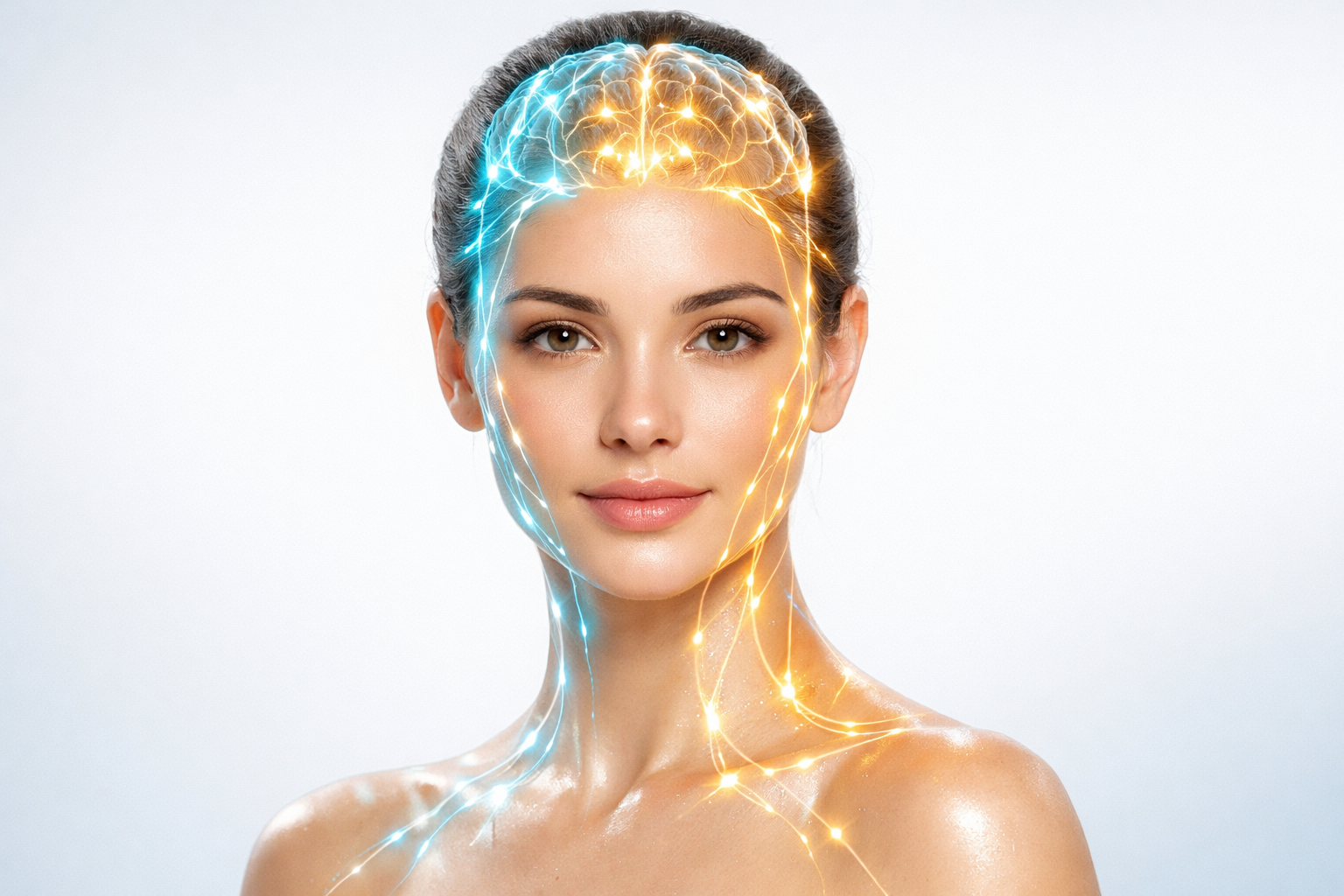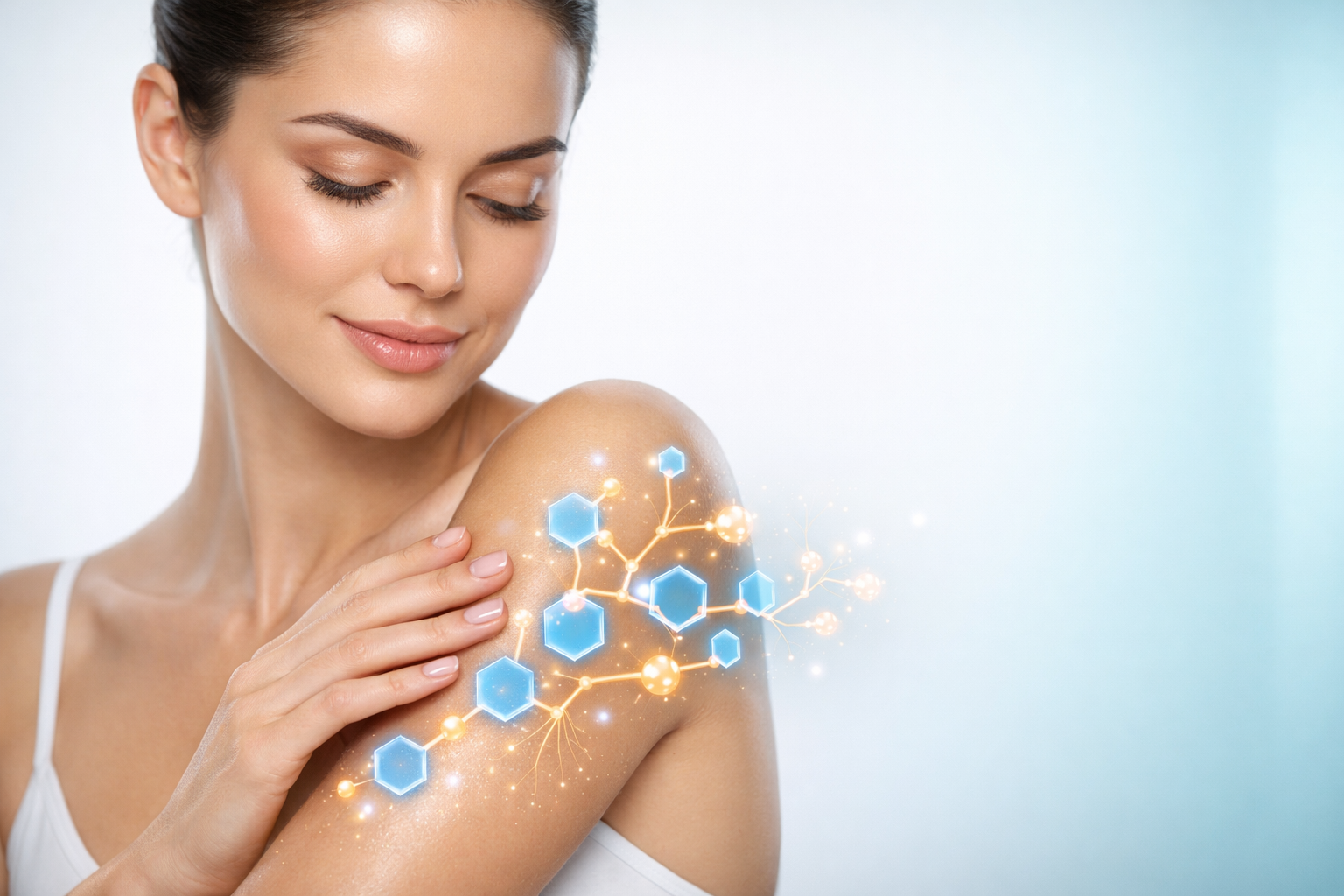
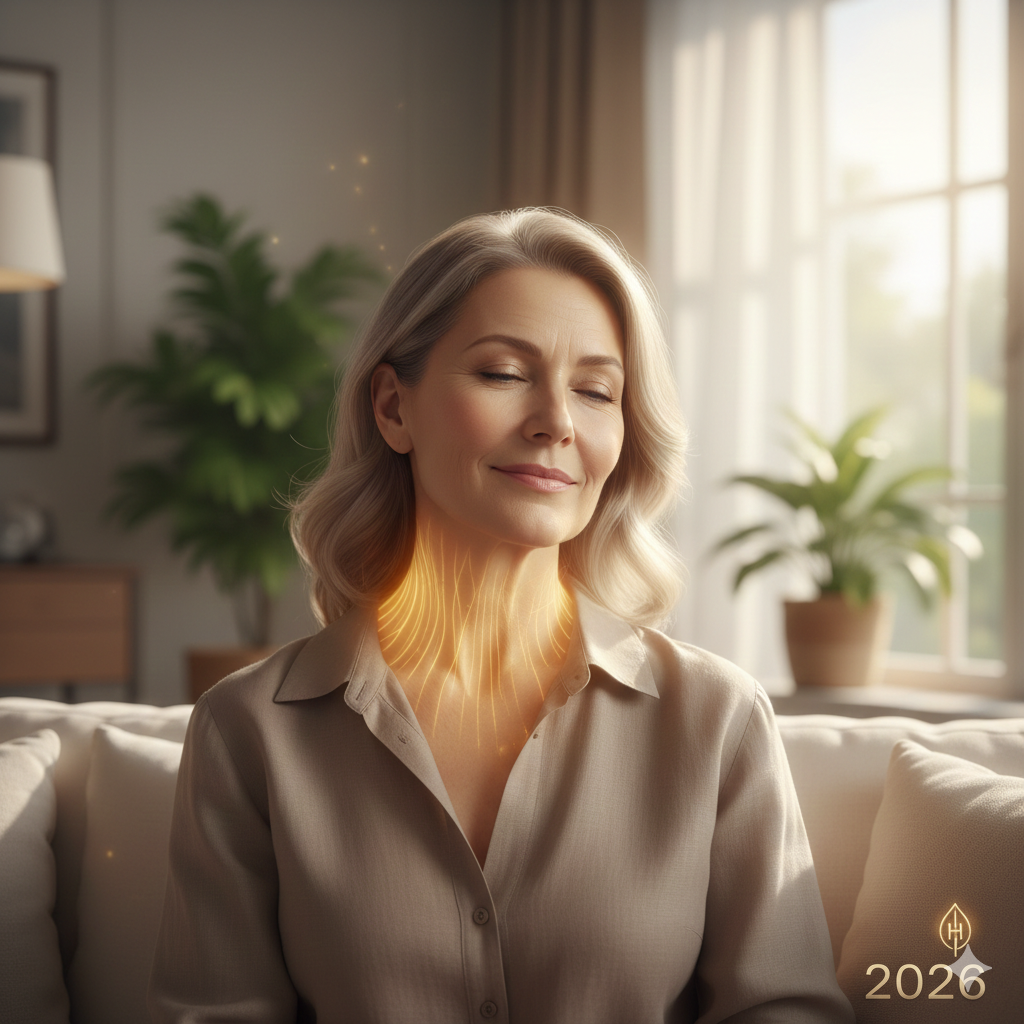
Have you ever experienced a sudden flare-up of itchy, red welts or a “crawling” sensation on your skin as you navigate the transition into menopause? While hot flashes are the most famous symptom of this life stage, 2026 clinical data confirms that Hormonal Hives (chronic urticaria) and “Menopausal Itch” (pruritus) are equally common. Specifically, the dramatic shift in your internal chemistry can leave your skin’s immune system feeling confused and hyper-reactive.
Understanding the link between your endocrine system and your skin barrier is the first step toward regaining your comfort. In this guide, we will explore why shifting hormones trigger skin changes and provide 2026 strategies to soothe your “hormonal skin” today.
1. The Science: Why Estrogen Loss Irritates the Skin
To understand this connection, you must view estrogen as a “guardian” of skin health. As estrogen levels decline during perimenopause and menopause, several physiological shifts occur simultaneously:
- The Moisture Crash: Estrogen is responsible for stimulating the production of collagen and natural oils. Consequently, when levels drop, the skin becomes significantly thinner and drier. This “fragile” state makes nerve endings much more susceptible to irritation.
- Histamine Sensitivity: Estrogen helps regulate the enzymes that break down histamine. Therefore, as estrogen fluctuates, your body may struggle to clear histamine effectively. As a result, you might experience hives or itching after eating foods or encountering triggers that never bothered you before.
- The Temperature Trigger: Because menopause affects your body’s internal thermostat, even minor “internal heat” can trigger a skin reaction. This often leads to hives that appear right alongside a hot flash.
2. Identifying “Hormonal Hives”
Generally speaking, hormonal skin issues follow a specific cycle. In contrast to a typical allergy, menopausal skin sensations often display these unique characteristics:
| Feature | Hormonal Hives/Itch | Standard Allergic Reaction |
| Timing | Often worsens at night or during a “hot flash.” | Occurs immediately after contact with a trigger. |
| Location | Frequently appears on the face, neck, and chest. | Appears wherever the allergen touched the skin. |
| Sensory Feel | Includes “crawling” (formication) or prickling. | Mostly limited to an intense, localized itch. |
| Skin Appearance | May include dry, “crepy” skin texture. | Usually involves localized swelling or redness. |
3. Immediate Relief: Calming the Hormonal Flare
Fortunately, you can manage these symptoms by addressing both the skin surface and the internal triggers.
Topical Barrier Repair
- The 2026 “Phytoestrogen” Boost: Look for moisturizers containing Soy Isoflavones or Red Clover. Since these plant-based compounds mimic estrogen’s effect on the skin, they can help restore the moisture barrier and quiet the “crawling” feeling.
- Colloidal Oatmeal Soaks: Lukewarm baths with colloidal oatmeal provide a protective layer over sensitized skin. By doing this, you physically block irritants from reaching your hyper-sensitive nerve endings.
Internal Balancing
- Quercetin Supplementation: This natural plant pigment acts as a stabilizer for mast cells (the cells that release histamine). Therefore, taking quercetin can reduce the frequency of hives triggered by hormonal shifts.
- Cooling the “Flash”: Since heat triggers hives, managing your core temperature is vital. Using a cooling vest or a portable fan during a hot flash can prevent the skin from “over-reacting” to the internal heat.
4. 2026 Strategy: Long-Term Skin Resilience
Beyond quick fixes, 2026 menopause wellness emphasizes proactive care to keep the skin barrier strong. For example:
- Hydration Hierarchy: In addition to drinking water, use a humidifier in your bedroom. Because dry air pulls moisture directly out of menopausal skin, maintaining 50% humidity is a medical necessity for itch prevention.
- The “Low-Histamine” Trial: During a flare-up, temporarily reduce your intake of aged cheeses, red wine, and fermented foods. As a result, you lower the “histamine bucket” in your body, giving your skin a chance to recover.
- Gentle Cleansing: Avoid hot showers and harsh soaps. Since menopausal skin is thinner, it lacks the protective oils to survive “deep cleansing.” Switch to cream-based, fragrance-free cleansers instead.
5. When to Consult a Professional
While hormonal hives are common, they can sometimes signal other underlying shifts. Seek medical advice if:
- Your hives are accompanied by swelling of the lips, tongue, or throat (angioedema).
- The skin irritation persists despite using Hormone Replacement Therapy (HRT) or topical treatments.
- You notice unusual bruising or “pinpoint” red spots along with the itching.
Conclusion
To wrap up, the “hormonal itch” is a loud signal that your body is recalibrating to a new internal environment. While the transition can be physically and emotionally taxing, your skin doesn’t have to suffer. By focusing on deep hydration and histamine management, you can cool the fire and feel comfortable in your skin again. Remember, this is a season of change—not a permanent state of irritation.