
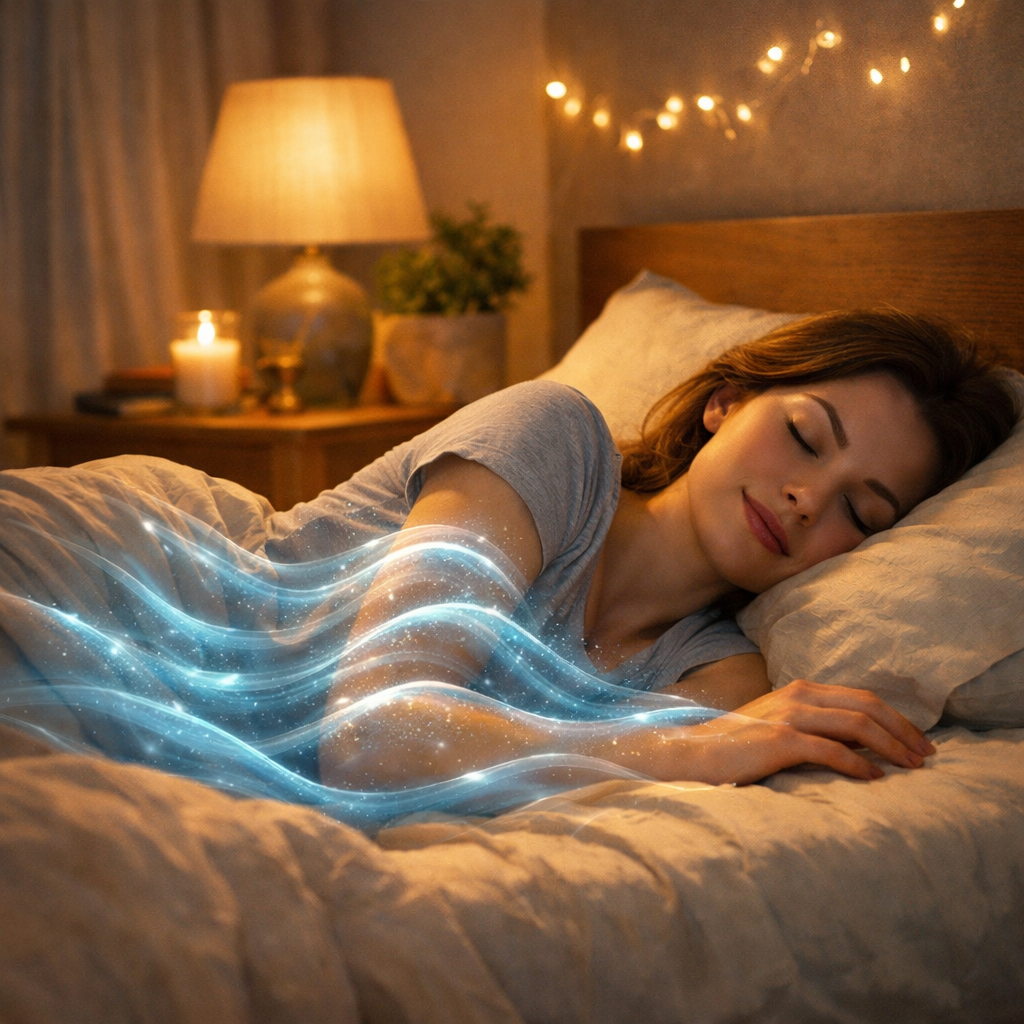
Have you ever spent the day feeling perfectly fine, only to have your skin begin to “crawl” the moment your head hits the pillow? This phenomenon—where tingling, itching, or phantom insect sensations peak at bedtime—is a major source of sleep deprivation. In 2026, we understand that Nighttime Formication is rarely a sign of a skin disease. Instead, it is typically the result of your nervous system finally “speaking up” once the distractions of the day fade away.
While these sensations are incredibly frustrating, understanding the nighttime “volume knob” on your nerves is the key to silencing them. In this guide, we will explore why the dark makes your skin feel “alive” and provide 2026 strategies to help you drift off in peace.
1. The Science: Why the Bedtime Itch is Louder
To understand why sensations intensify at night, you must look at how your brain processes data. During the day, your mind is occupied with work, conversations, and movement. However, as you lie still in the dark, several physiological shifts occur:
- The “Sensory Gate” Opens: During the day, your brain filters out minor skin sensations to focus on important tasks. In contrast, when you are in a quiet room, your brain lacks external input. Consequently, it turns up the volume on internal signals, making a tiny nerve flicker feel like a crawling insect.
- Circadian Rhythm & Histamine: Your body’s natural clock triggers a release of histamine and pro-inflammatory cytokines in the evening. As a result, your skin’s itch threshold lowers exactly when you are trying to rest.
- Core Temperature Drops: To prepare for sleep, your body shunts heat to your skin’s surface. Because this increases blood flow to your extremities, it can stimulate sensitive nerve endings, creating a “prickling” or “buzzing” feeling.
2. Identifying “Nighttime Only” Sensations
Generally speaking, if your skin feels fine at noon but “crawls” at midnight, the issue is likely neurological or environmental. For instance, look for these specific triggers:
| Nighttime Factor | Why It Causes Crawling |
| Silent Environment | The lack of distraction forces the brain to hyper-focus on the skin. |
| Cortisol Dip | Stress hormones drop at night; while good for sleep, this can “unmask” hidden nerve irritation. |
| Fabric Friction | Static or heavy blankets can over-stimulate tired sensory nerves. |
| Mental Decompression | Processing the day’s stress can trigger a “neurogenic” itch response. |
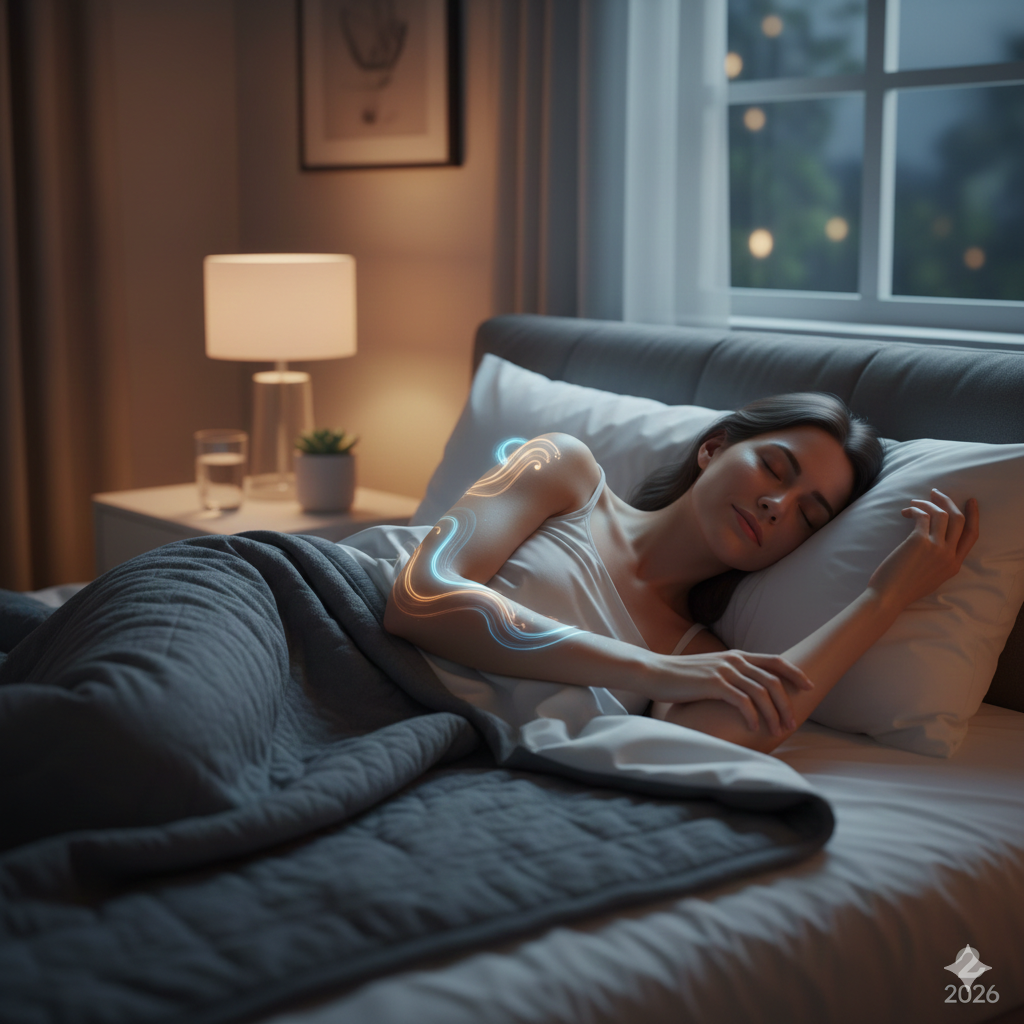
3. Immediate Relief: Silencing the Bedtime “Crawl”
Fortunately, you can “trick” your nervous system into a state of quiet. By providing a competing sensory signal, you can drown out the phantom crawling.
Physical “Volume” Control
- The Weight Strategy: Use a weighted blanket (approx. 10% of your body weight). Because deep pressure stimulation (DPS) releases serotonin and calms the central nervous system, it can “ground” the nerves and stop the crawling feeling fast.
- Temperature Regulation: Keep your bedroom at exactly 18°C (65°F). Since heat is a major trigger for nerve firing, a cool environment acts as a natural anesthetic for your skin.
The “White Noise” for Skin
- Topical Cooling Mists: Keep a peppermint or aloe-based spray on your nightstand. If the crawling starts, a quick mist provides a “cooling” signal that overrides the “itch” signal in the brain.
- Safe Distraction: Instead of scratching, gently tap the area or use a soft-bristled brush. This provides a sensory distraction without damaging the skin barrier.
4. 2026 Strategy: The Nighttime Nerve Reset
Beyond immediate fixes, 2026 sleep hygiene focuses on desensitizing the nervous system before you ever climb into bed. For example:
- The “Buffer Hour”: Stop all digital input 60 minutes before bed. By doing this, you lower your brain’s “arousal level,” making it less likely to produce phantom sensations.
- Magnesium Soaks: An Epsom salt bath before bed replenishes magnesium through the skin. Since magnesium regulates nerve impulses, it acts as a “buffer” against spontaneous nerve firing.
- Mindfulness Body Scan: Instead of fearing the sensation, observe it. By mentally “scanning” your body and acknowledging the feeling without judgment, you signal to your brain that there is no danger, which often causes the sensation to fade.
5. When to Consult a Sleep Specialist
While nighttime crawling is often benign, you should seek professional advice if:
- The sensation is accompanied by an irresistible urge to move your legs (Restless Leg Syndrome).
- You experience “night sweats” along with the skin crawling.
- The sensation is so intense that it leads to chronic insomnia or daytime cognitive impairment.
Conclusion
To wrap up, nighttime skin crawling is a loud signal from a system that is struggling to “shut down.” While it feels unsettling, it is simply your nerves misfiring in the silence of the night. By cooling your environment and providing calming sensory input, you can turn down the volume on your nerves. Remember, your skin is safe—it’s just time for your nervous system to sleep.