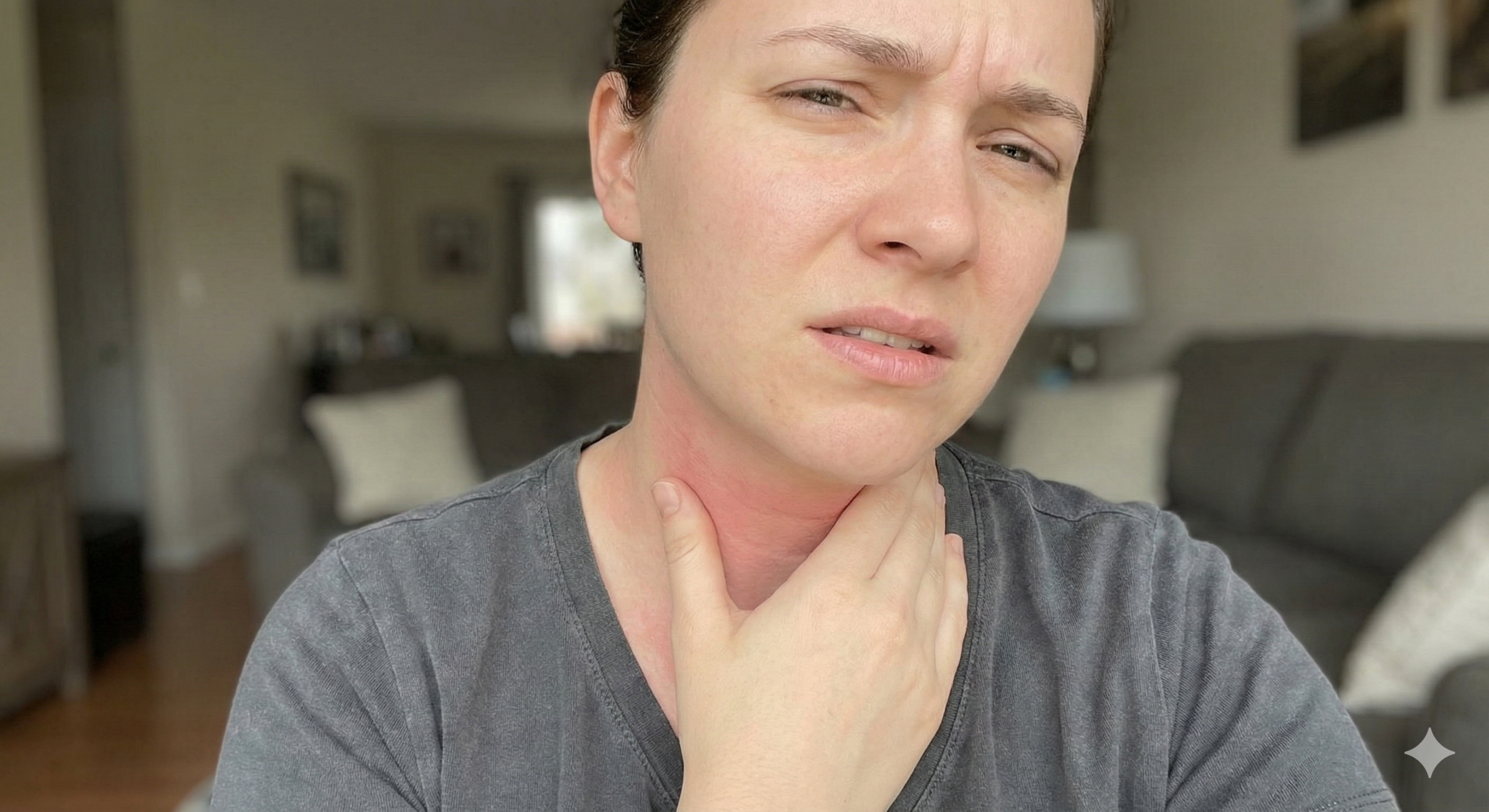
Ever felt a sudden sting, prickle, or unexplained warmth on your skin during a stressful moment? You aren’t alone. The link between skin burning and anxiety is a well-documented phenomenon in psychodermatology. When your mind is under pressure, your skin often acts as the first line of emotional expression.
In this guide, we will explore why anxiety causes skin burning, how to identify stress-related sensations, and the best ways to soothe your “nervous skin” naturally.
1. What is the Connection Between Skin Burning and Anxiety?
The relationship between your brain and your skin is known as the Brain-Skin Axis. Because the skin is packed with nerve endings, it reacts instantly to the chemical changes triggered by emotional distress.
The Role of Cortisol and Adrenaline
When you experience anxiety, your body enters a “fight or flight” mode, releasing hormones like cortisol and adrenaline. These hormones:
- Increase Blood Flow: They cause blood vessels to dilate, leading to flushing and a sensation of heat.
- Trigger Neurogenic Inflammation: Stress releases neuropeptides that make the nerves in your skin hyper-sensitive, often resulting in a burning sensation on skin from anxiety even without a visible rash.
2. Common Symptoms of Stress-Induced Skin Burning
Not all skin reactions look the same. If your symptoms are tied to your mental health, you might experience:
- Burning Skin with No Rash: A hot or stinging feeling that has no visible redness or bumps.
- Paresthesia: Feelings of “pins and needles,” tingling, or numbness.
- Hyperesthesia: Extreme sensitivity where even the touch of clothing feels painful.
- Migrating Heat: A sensation of warmth that moves from your face to your chest or arms during a panic attack.
3. Why Anxiety Makes You Feel Like Your Skin is On Fire
The psychological factor behind skin burning and anxiety is called Somatic Amplification. This occurs when the brain becomes hyper-fixated on physical sensations.
When you are anxious, your brain “turns up the volume” on minor physical signals. A slight change in temperature that you would normally ignore becomes an intense burning sensation. This creates a cycle: the burn causes more anxiety, which in turn increases the burning feeling.
4. How to Calm Anxiety-Related Skin Burning
To treat the skin, you must also treat the mind. Here are the most effective strategies to break the cycle:
Immediate Relief Techniques
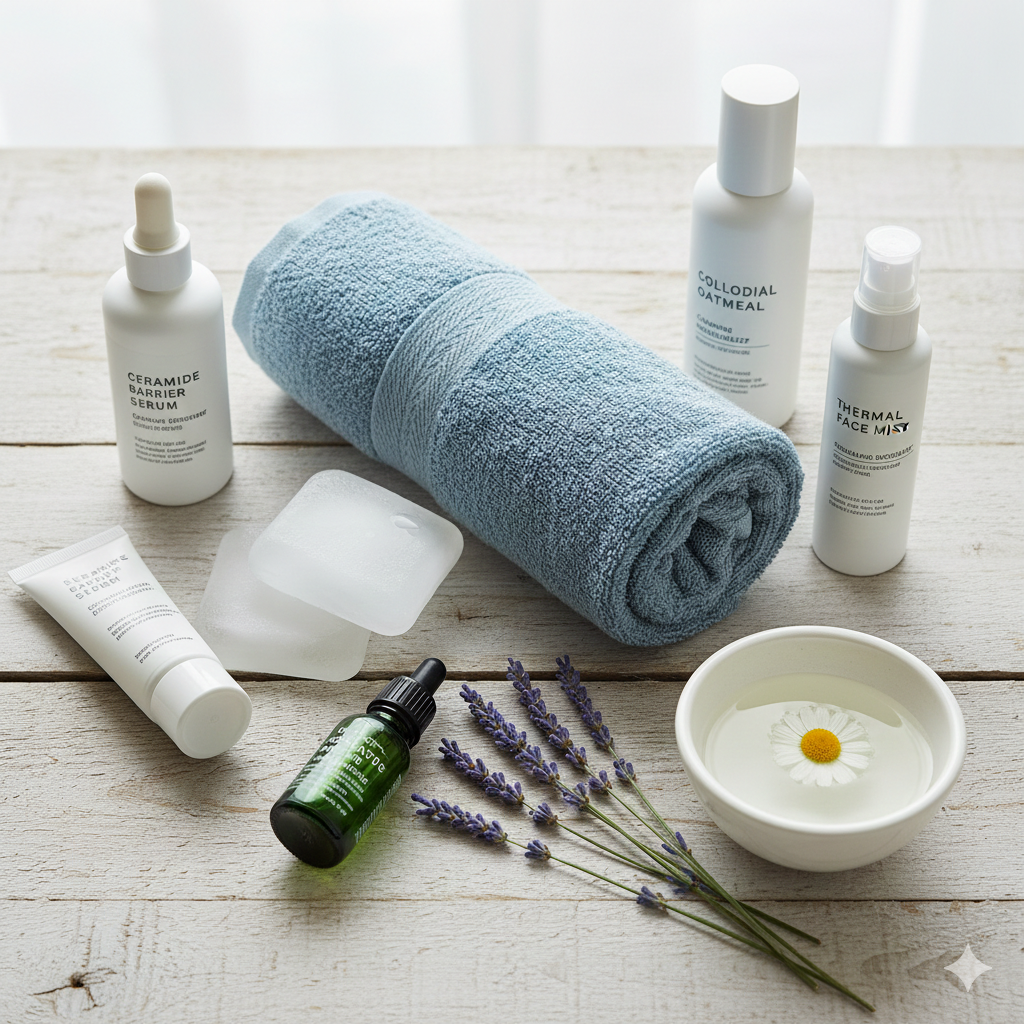
- Cooling Compresses: Apply a cool, damp cloth to the affected area to calm the nerve endings.
- Barrier Repair Skincare: Use fragrance-free moisturizers containing ceramides. Stress weakens the skin barrier; strengthening it reduces external irritation.
- Vagus Nerve Stimulation: Splashing cold water on your face can trigger the “diving reflex,” which slows your heart rate and calms the nervous system.
Long-Term Management
- Deep Breathing (4-7-8 Technique): This helps lower cortisol levels and reduces the “fire” in your nerves.
- Daily Hydration: Dehydrated skin is more prone to itching and burning.
5. When to See a Dermatologist or Therapist
If your skin burning and anxiety symptoms persist, it is important to seek professional help. You should consult a doctor if:
- The burning is accompanied by blisters, sores, or a fever.
- The sensation interferes with your ability to sleep or work.
- The skin discomfort leads to further “health anxiety” or obsessive checking.
Frequently Asked Questions (FAQ)
Can anxiety cause a burning sensation all over the body?
Yes. Generalized Anxiety Disorder (GAD) can cause widespread nerve sensitivity, leading to a burning feeling on the arms, legs, and face simultaneously.
Does “anxiety burn” leave a mark?
Often, there is no mark at all. This is called “sensory symptoms.” However, chronic stress can flare up existing conditions like eczema or hives, which do leave visible marks.
How long does the burning sensation from stress last?
It varies. It can last from a few minutes during a peak panic attack to several days if you are in a state of chronic high stress.
Conclusion
Understanding the link between skin burning and anxiety is the first step toward relief. Your skin is simply a mirror of your internal state. By prioritizing mental health and using gentle, barrier-repairing skincare, you can put out the “fire” and feel comfortable in your own skin again.