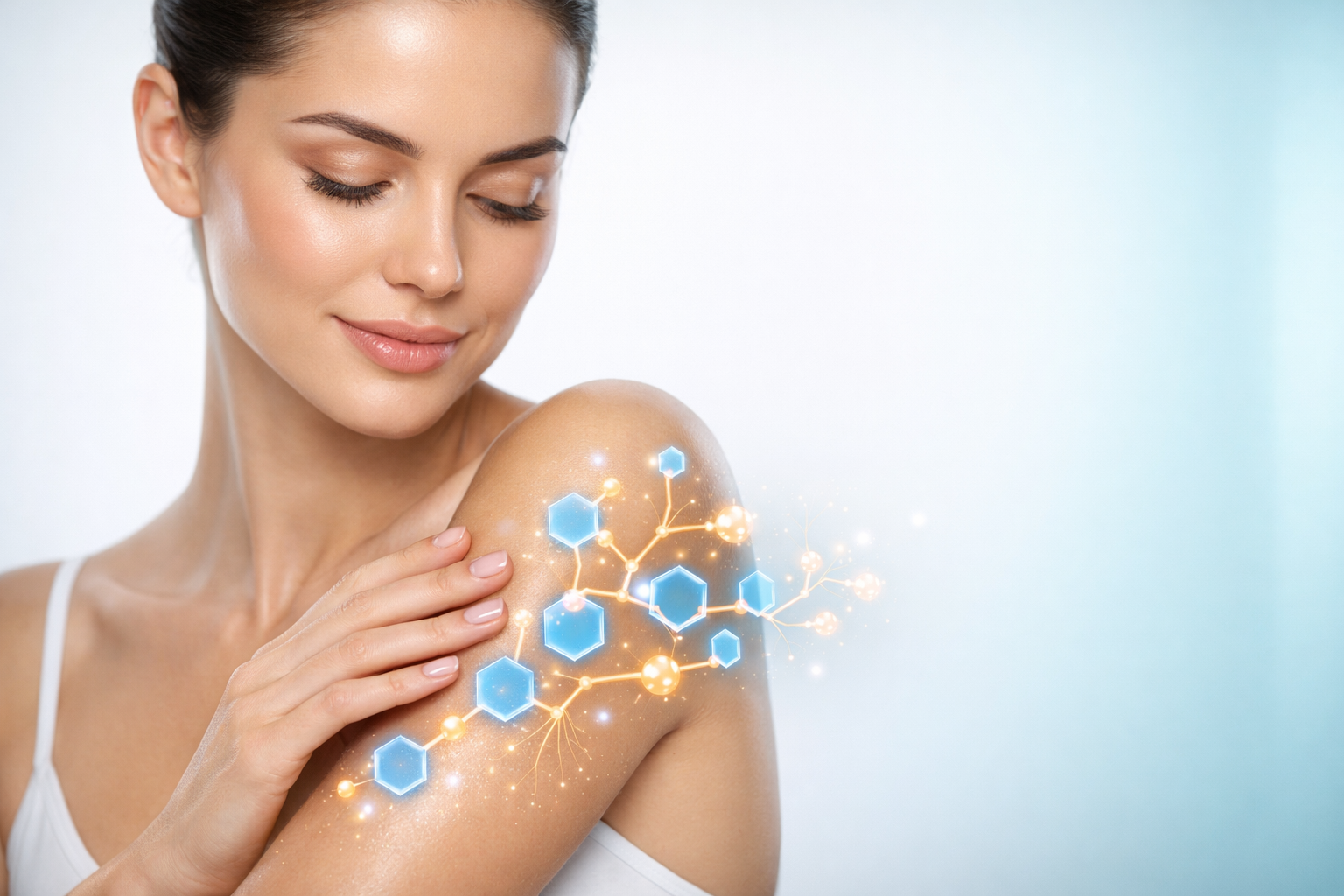
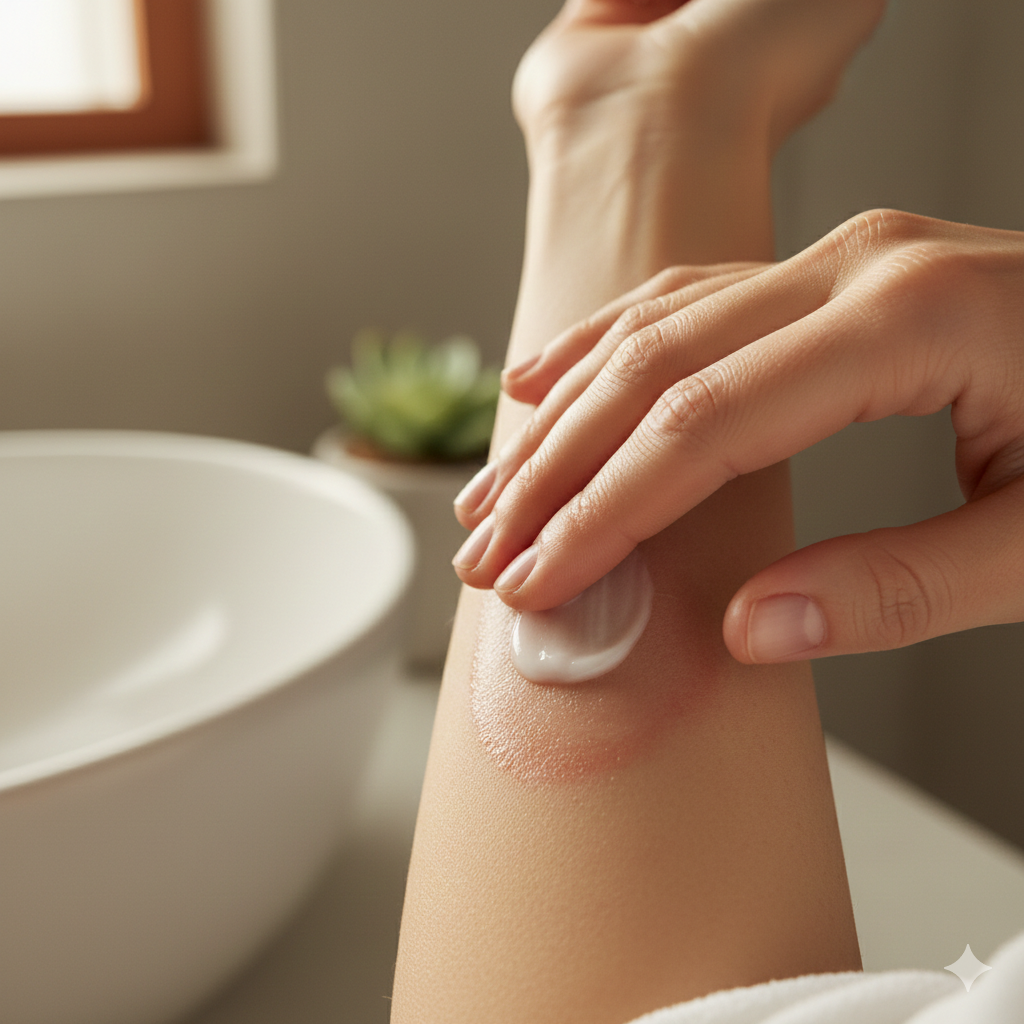
Have you ever noticed that your skin becomes red and itchy during a stressful week? Naturally, you might feel that your emotions are causing the flare-up. In 2026, scientists have proven that stress is a major trigger for skin irritation. Therefore, when your mind feels the pressure, your skin often reacts with a rash.
Fortunately, managing “Stress Eczema” is possible with the right tools. In this guide, we will explain why anxiety causes itching and how you can soothe your skin effectively.
1. The Science: How Anxiety Weakens Your Skin
To begin with, it is important to understand that your skin acts as a protective shield. However, stress can cause small cracks in this barrier. Specifically, high cortisol levels disrupt your skin’s natural balance.
The Barrier Breakdown
When you are under constant pressure, your body changes its chemistry. As a result:
- Moisture Loss: Your skin loses its ability to hold water, making it dry and tight.
- Inflammation Rise: Since stress triggers the immune system, your skin becomes red and swollen.
- The Itch Signal: Because nerve endings become hyper-active, you feel a strong urge to scratch.
2. Spotting Stress Eczema Patterns
Generally speaking, eczema can happen for many reasons. In contrast, stress-related flare-ups follow a specific timing. For example, you might notice:
- Sudden Itching: The itch starts exactly when you are worried or tired.
- Common Areas: The rash often appears on the hands, elbows, or behind the knees.
- The Night Cycle: Usually, the itching becomes much worse at night when your mind is restless.
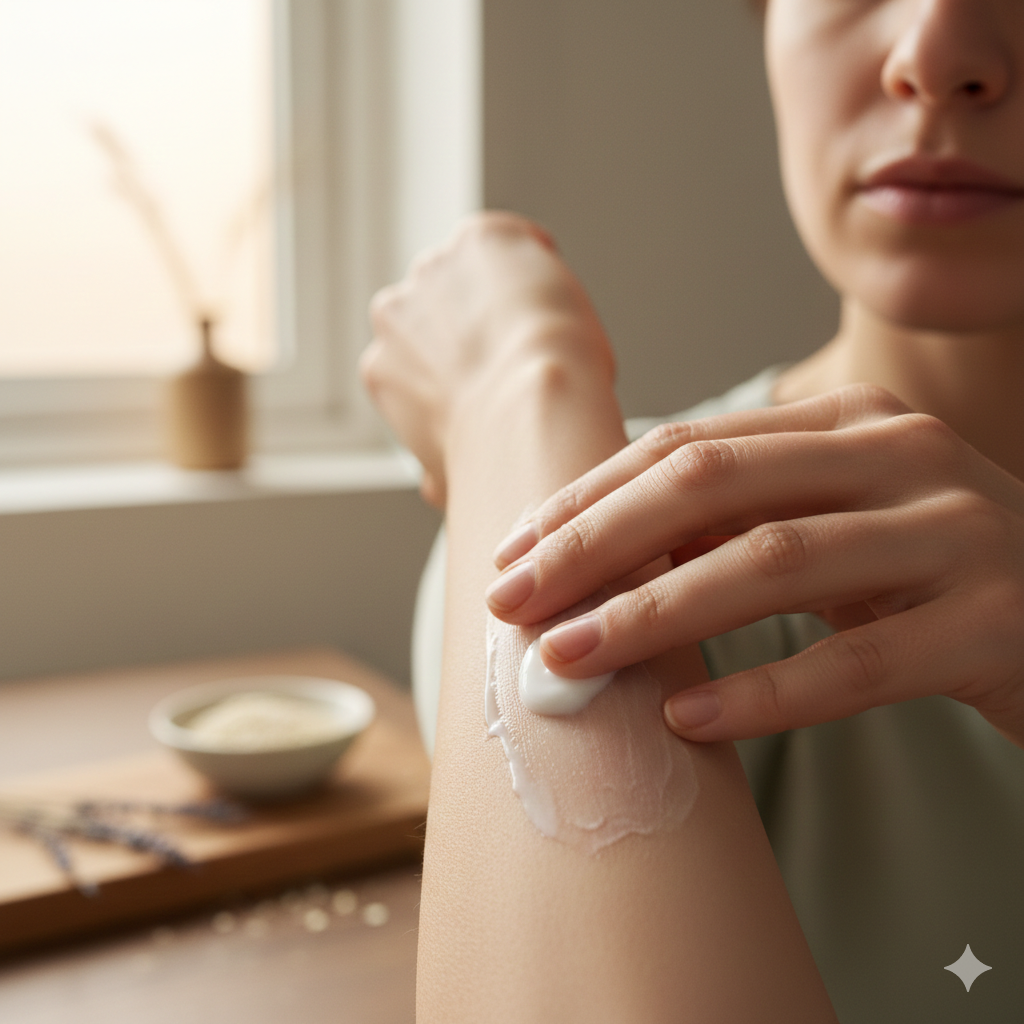
3. Simple Ways to Calm the Flare-up
The good news is that you can stop the itch by treating both your skin and your mind. In fact, simple changes can bring fast relief.
Immediate Skin Care
- Moisturize Often: Instead of waiting for the itch, apply a thick, fragrance-free cream three times a day.
- Cooling Relief: By using a cold damp cloth, you can “numb” the itch signal instantly.
- Gentle Fabrics: For the time being, wear soft cotton clothes to avoid further irritation.
Mind-Body Healing
- Deep Breathing: Because oxygen calms the nerves, taking slow breaths can lower skin redness.
- Hydration: Since dry skin itches more, drinking plenty of water is a simple but vital step.
4. The 2026 Strategy: “Skin-Deep” Relaxation
In addition to creams, 2026 wellness trends focus on protecting your “Internal Barrier.” For instance:
- Oatmeal Baths: By soaking in a lukewarm bath with colloidal oatmeal, you can repair your skin’s protective layer naturally.
- The “No-Stress” Zone: By spending 10 minutes away from your phone, you allow your cortisol levels to drop.
5. When to Seek Expert Help
While most stress eczema can be managed at home, sometimes professional advice is needed. Consult a doctor if:
- In addition to redness, your skin shows signs of infection like yellow crusts.
- The itching prevents you from sleeping for more than three nights.
- The rash covers a large part of your body.
FAQ: Quick Answers
Q: Can anxiety cause eczema even if I never had it before? A: Yes. Stress can trigger “Adult-Onset Eczema” in people who are genetically prone to sensitive skin.
Q: Does scratching make the rash spread? A: Actually, scratching doesn’t spread the eczema itself, but it can cause infections and make the inflammation much worse.
Conclusion
To wrap up, stress eczema is your body’s way of saying it needs a break. While a flare-up is uncomfortable, it is also a reminder to slow down. By repairing your skin barrier and calming your mind, you can find relief. Remember, healthy skin starts with a peaceful mind.