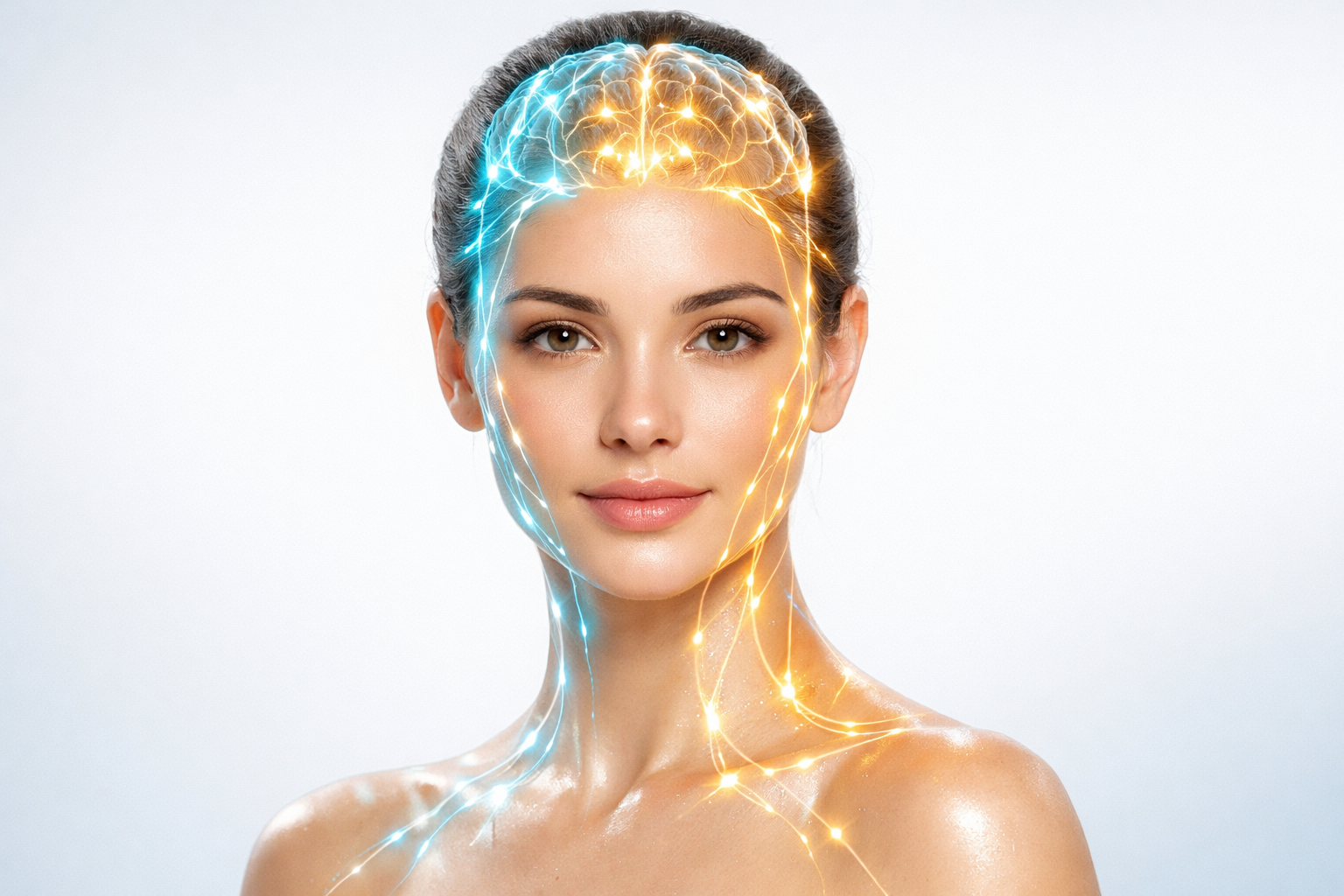

We’ve all been there: a massive deadline, a difficult conversation, or a period of prolonged uncertainty, and suddenly—red, itchy welts appear out of nowhere. In 2026, as our lives become more complex, “Stress Hives” (formally known as Stress-Induced Urticaria) have become a common physical messenger for our internal state.
When your mind feels like it’s carrying too much, your skin often acts as the “release valve.” Let’s break down the science of why anxiety turns into hives and how you can reclaim control.
1. The Science: The 2026 View of “Emotional Hives”
For a long time, we thought hives were only about allergies. In 2026, we now understand that emotional distress can trigger the exact same chemical pathway as a peanut allergy or a bee sting.
The Mast Cell Connection
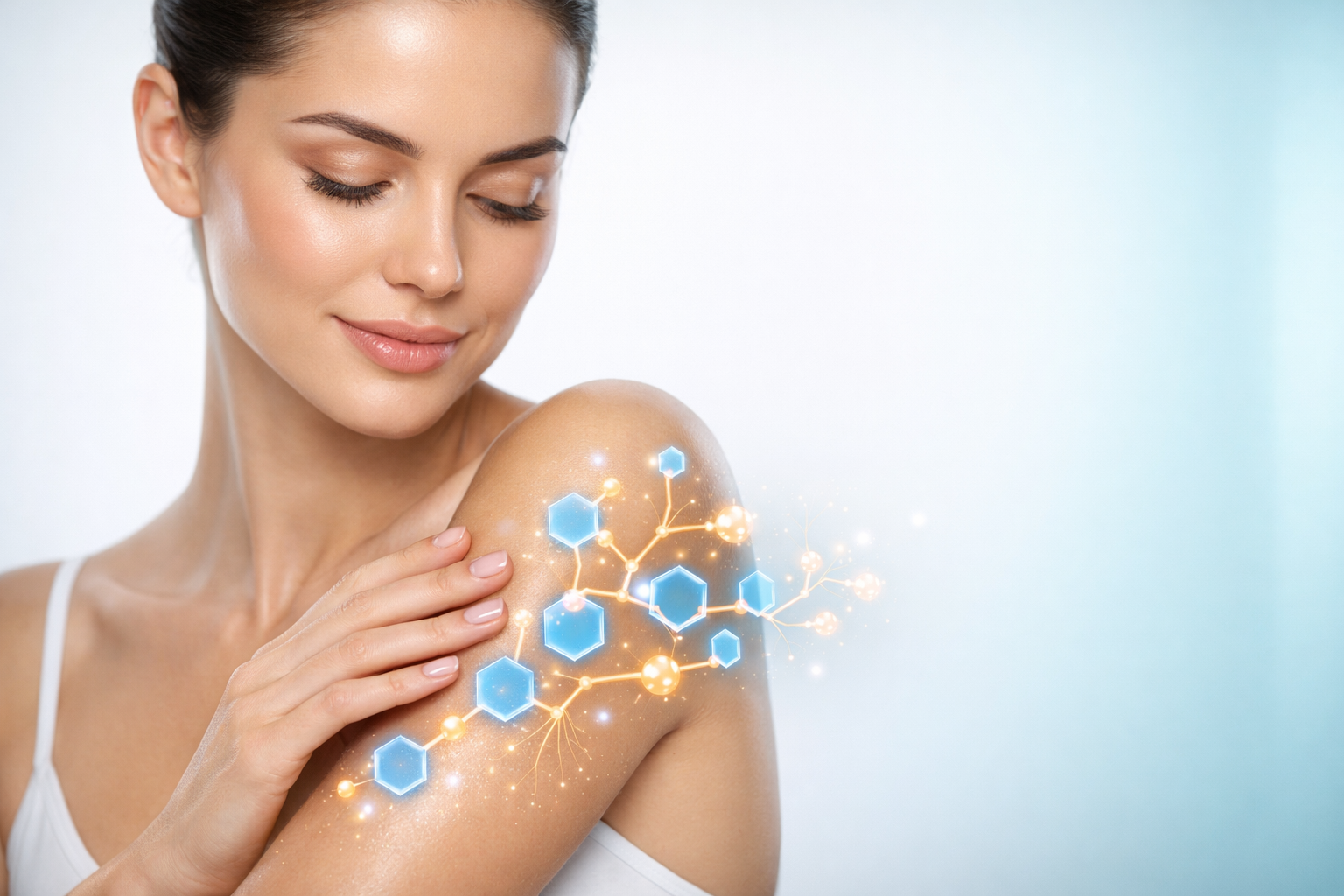
Anxiety sends a “red alert” signal to your mast cells—the guardians of your immune system located in your skin.
- The Chemical Dump: Under high stress, your brain signals these cells to release histamine.
- The Visible Result: Histamine causes small blood vessels to leak fluid, creating the raised, swollen, and itchy welts we know as hives.
- The Anxiety Loop: Seeing the hives often causes more anxiety, which tells the mast cells to release more histamine, fueling a frustrating cycle.
2. Recognizing Stress Hives vs. Allergies
In the busy world of 2026, it’s vital to know if your skin is reacting to your lunch or your workload.
- The Timing: Stress hives often appear during or immediately after a high-pressure event and can vanish as soon as you start to relax.
- The Location: They frequently appear on the face, neck, chest, and arms—areas highly sensitive to blood flow changes.
- The “Phantom” Nature: Unlike a food allergy, stress hives often move around the body, disappearing in one spot only to pop up in another ten minutes later.

Some people experience itching or tingling before hives appear—this progression is common in anxiety-related skin responses.
3. 2026 Solutions: How to Stop the “Skin Panic”
When your skin is reacting to anxiety, the solution must be dual-action: calming the immune system and the nervous system.
Immediate Rescue Steps
- Temperature Reset: Take a lukewarm (not hot) shower. High heat can cause mast cells to release even more histamine.
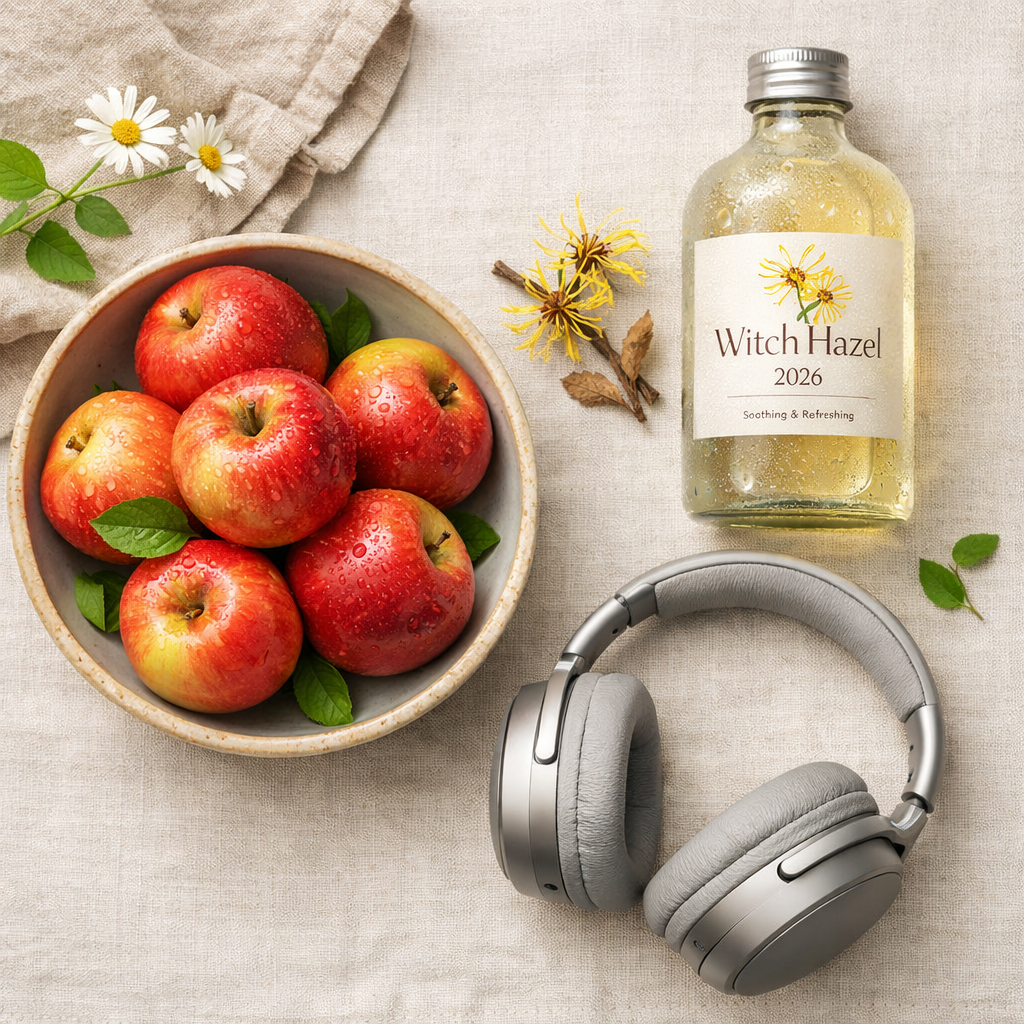
- Topical Calm: Use a lotion with Calamine or Witch Hazel. In 2026, many people prefer “Neuro-balms” containing CBD or Chamomile extract to soothe the skin’s surface.
- The “Cool-Down” Drink: Sip on iced peppermint tea. The menthol provides a cooling sensation from the inside out, helping to lower your core temperature.
Long-Term Emotional Skincare
- Vagus Nerve Activation: Use the “Gargling” technique or “Cold Water Face Immersion.” These 2026-approved wellness hacks stimulate the Vagus nerve to switch your body from “Fight or Flight” to “Rest and Digest.”
- Anti-Inflammatory Nutrition: Focus on Quercetin-rich foods (like apples and red onions), which act as natural antihistamines.
Being told “it’s just stress” can feel dismissive—especially when your skin is visibly reacting. But stress hives are real, measurable immune responses.
4. The Mind-Skin Barrier: Building Resilience
In 2026, we don’t just treat symptoms; we build resilience. Chronic hives are often a sign that your allostatic load (the “wear and tear” on the body) is too high.
- Micro-Breaks: Implement the 20-20-20 rule—every 20 minutes, look 20 feet away for 20 seconds. This reduces sensory-induced anxiety that leads to skin flare-ups.
- Digital Boundaries: Setting an “out of office” for your brain is the best skincare routine you can have.
5. When to Call a Professional
While stress hives are usually harmless, they can be a sign of a deeper issue. Consult a professional if:
- Your hives are accompanied by swelling of the lips, tongue, or difficulty breathing (Seek emergency care immediately).
- The hives persist for more than 6 weeks (Chronic Urticaria).
- Your skin reactions are causing you to avoid social or professional obligations.
Frequently Asked Questions (FAQ)
Can anxiety cause hives without any other symptoms?
Yes. Sometimes a skin breakout is the only sign that you are stressed, even if you don’t “feel” anxious in your mind.
How long do stress hives usually last?
Most stress hives fade within 24 hours, though they may reappear if the stressful situation continues.
Are there “Stress-Hives” specific creams in 2026?
Yes, look for “Histo-Calm” or barrier creams that list Ectoin as a main ingredient; these are designed to stabilize mast cells during emotional peaks.
Conclusion
Your skin is an incredible communicator. Stress hives are not a “glitch” in your system; they are a loud, clear request for a break. By listening to these signals and treating yourself with compassion, you can clear your skin and calm your mind for a healthier 2026.