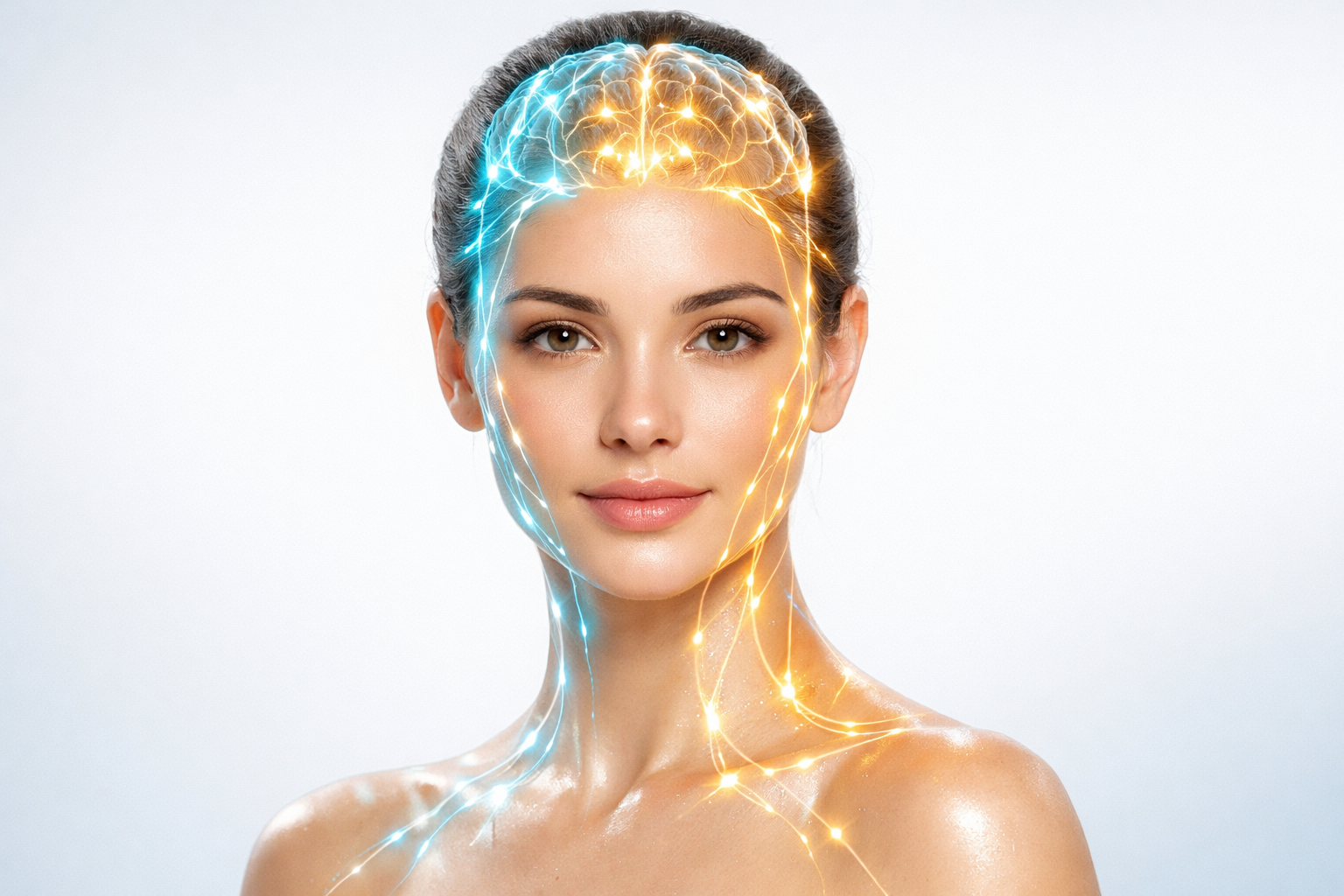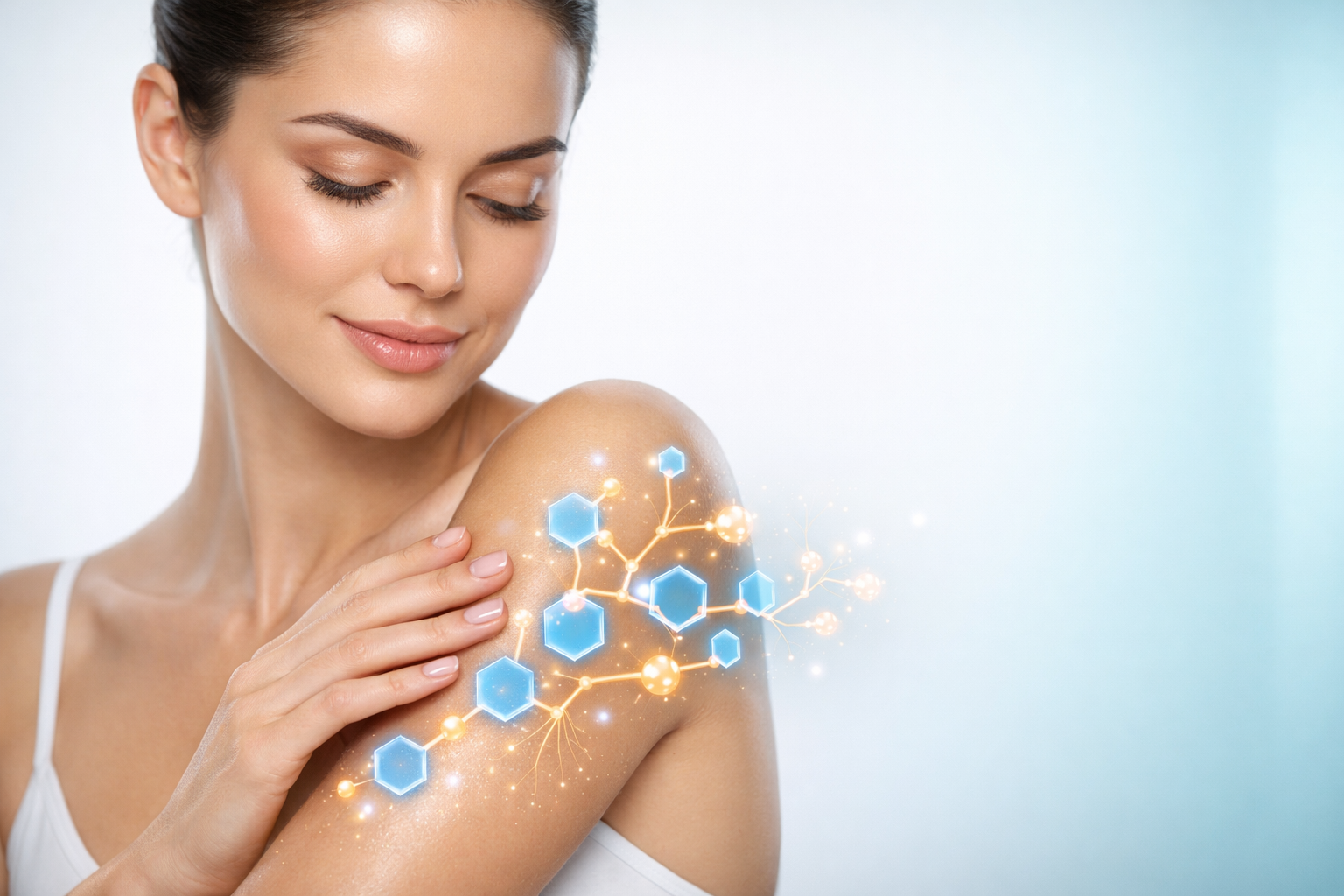
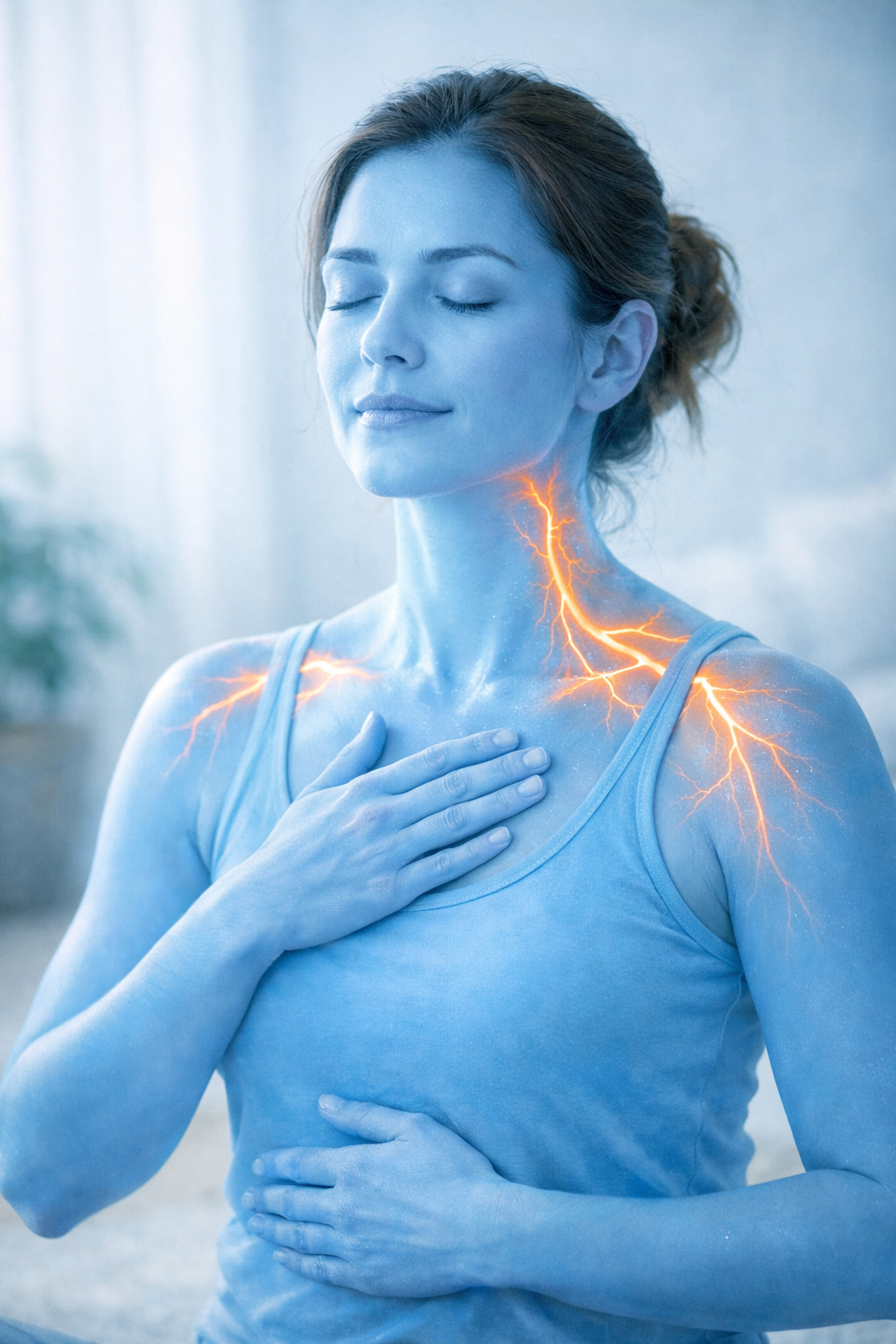
Have you ever felt your skin prickle, itch, or burn the moment you stepped into a high-pressure meeting? While it might feel like a dermatological mystery, the culprit is often found in your mind rather than your environment. In 2026, medical science recognizes a powerful Brain-Skin Axis—a direct communication line where emotional turbulence manifests as physical discomfort.
Understanding this connection is the first step toward reclaiming your comfort. This guide explores why your skin reacts to stress and how you can soothe your nervous system to find lasting relief.
1. The Biology: Why Stress “Leaks” Onto Your Skin
To understand this sensation, you must first view the skin as an extension of your nervous system. Because both your skin and your brain develop from the same embryonic tissue, they remain deeply interconnected throughout your life.
The Chemical Cascade
When you experience anxiety, your body enters “Fight or Flight” mode. Consequently, several physiological shifts occur:
- Pro-Inflammatory Cytokines: Stress triggers the release of chemicals that increase inflammation. As a result, your skin may feel hot, itchy, or sensitive without a visible rash.
- Neuropeptide Release: Your nerve endings release “messenger” chemicals that can cause blood vessels to dilate or contract. This explains the sudden flushing or “chills” often associated with panic.
- The Barrier Breakdown: Chronic cortisol (the stress hormone) weakens your skin’s protective barrier. Therefore, everyday triggers like wind or clothing suddenly feel abrasive or “crawly.”
2. Recognizing Stress-Induced Sensations
It is important to distinguish between a skin condition and a stress response. Typically, anxiety-driven sensations follow specific patterns.
| Symptom | Anxiety-Driven Pattern | Medical Condition Pattern |
| Location | Shifts rapidly (arms, then face, then legs). | Stays in one localized area. |
| Appearance | Skin looks normal or slightly flushed. | Visible bumps, scales, or weeping sores. |
| Timing | Flares up during deadlines or social stress. | Constant or triggered by specific allergens. |
| Duration | Subsides once you feel safe or distracted. | Persists regardless of your mood. |

3. Effective Relief Strategies for 2026
Fortunately, because the sensation starts in the nervous system, you can use “top-down” and “bottom-up” techniques to stop the discomfort.
Immediate Sensory Grounding
- Thermal Shock Therapy: If your skin feels like it is “crawling,” splash your face with ice-cold water. This activates the mammalian dive reflex, which instantly lowers your heart rate and resets sensory signaling.
- The “Texture Shift”: Change into a different fabric. If you are wearing wool or tight synthetic fibers, switch to loose cotton. This removes the minor physical stimuli that your brain is currently over-amplifying.
Neurological Calming
- Box Breathing: Inhale for 4 seconds, hold for 4, exhale for 4, and hold for 4. Since this regulates your autonomic nervous system, it signals to your brain that there is no “threat,” causing the skin tingles to dissipate.
- Vagus Nerve Stimulation: Gently hum a low tone or gargle water. These actions stimulate the vagus nerve, which is the “off switch” for the stress sensations felt on the skin.
4. Long-Term Prevention: Building Nerve Resilience
In 2026, we focus on proactive wellness to prevent the brain-skin loop from starting. Consider these pillars of nerve health:
- Omega-3 Fatty Acids: These essential fats repair the myelin sheath around your nerves. Consequently, your nerves become less likely to “misfire” during stress.
- Mindfulness Meditation: By practicing regular meditation, you train your brain to observe sensations without reacting to them. Over time, this reduces the intensity of the “skin crawling” feeling.
- Sleep Hygiene: Sleep is when your nervous system recalibrates. Without it, your “sensory gates” remain open, making you hyper-aware of every tiny itch.
5. When to Seek Professional Guidance
While most stress-induced sensations are harmless, you should consult a healthcare provider if:
- The sensations are accompanied by muscle weakness or tremors.
- The “tingling” is persistent and occurs even when you are completely relaxed.
- You notice any new, unexplained moles or persistent skin discoloration.
Conclusion
Ultimately, the anxiety-skin connection is a testament to how closely our bodies and minds are entwined. While the sensation of skin crawling or tingling can be unsettling, it is merely your body’s way of asking for peace. By understanding the science and employing grounding techniques, you can quiet the noise and feel comfortable in your own skin once again.