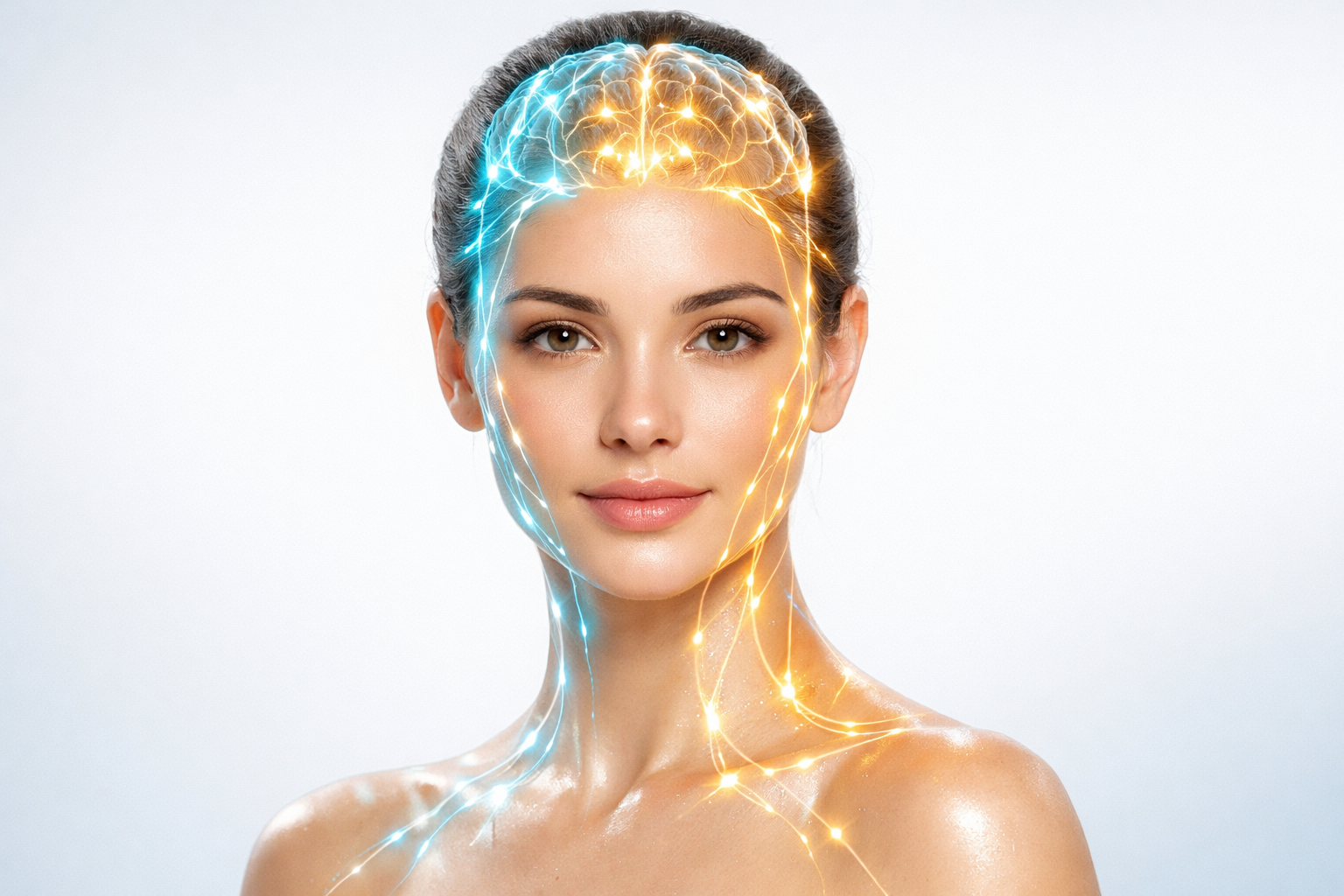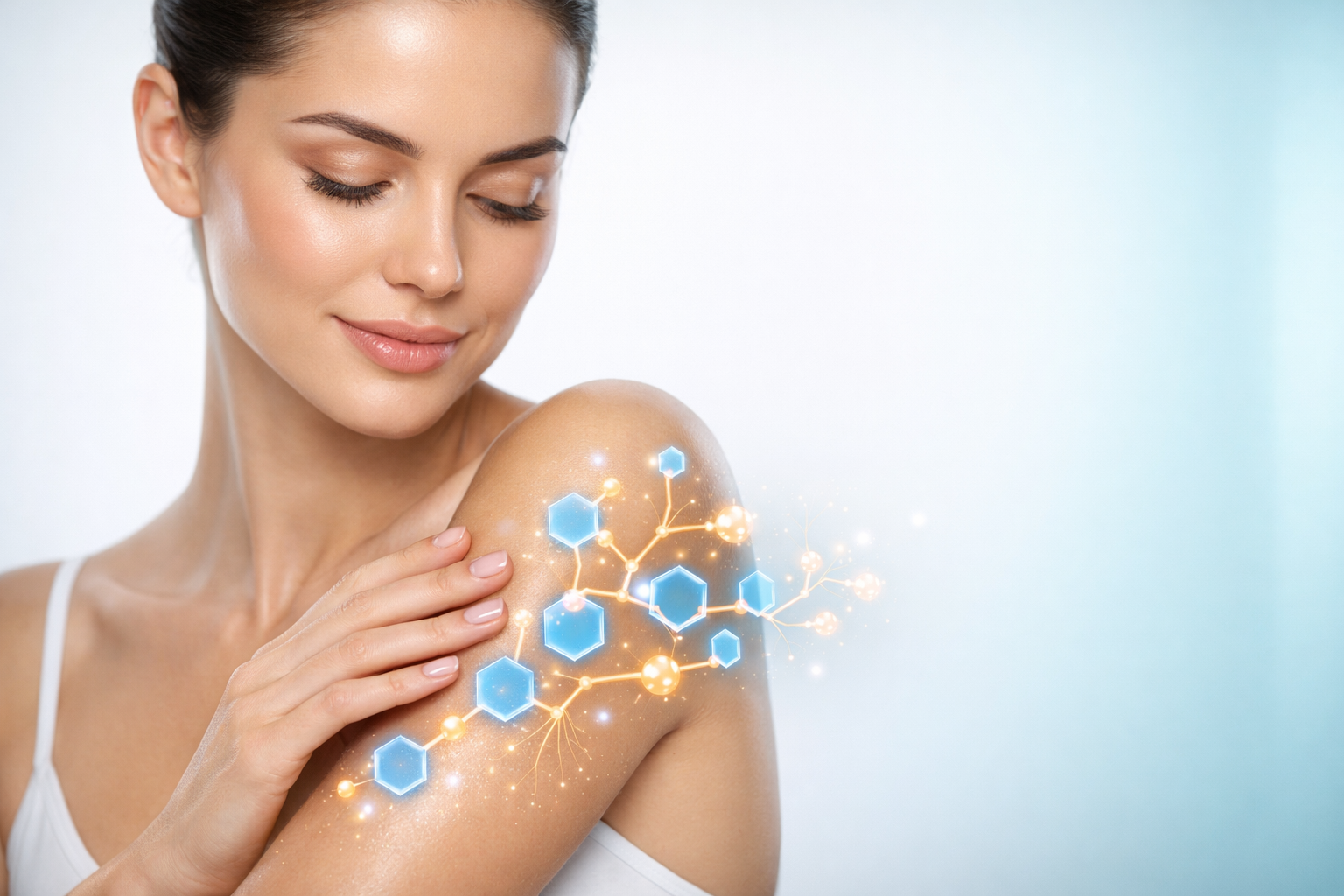
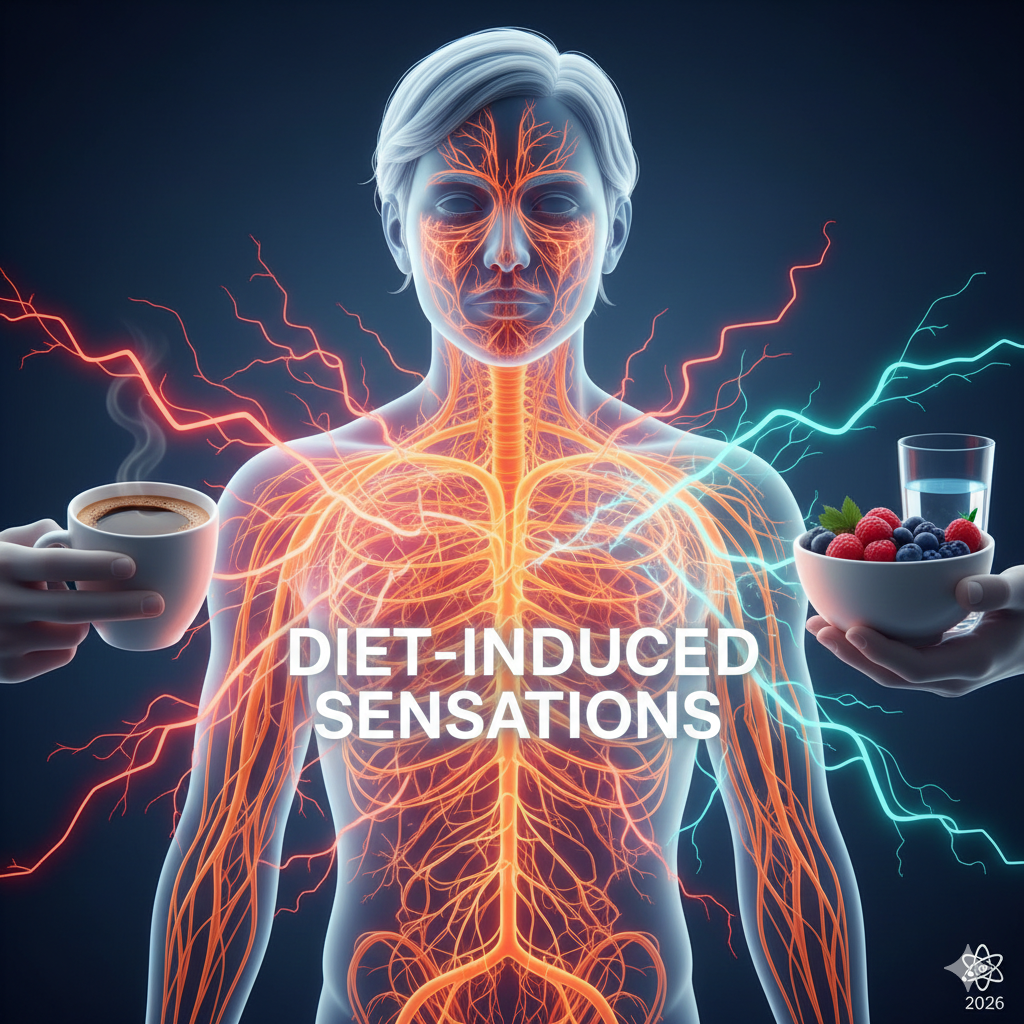
Have you ever noticed that your skin feels extra “twitchy,” itchy, or sensitive after a morning of back-to-back espressos or a sugary afternoon snack? While we often blame our skincare products for irritation, 2026 nutritional neuroscience reveals a deeper connection. Specifically, the substances we consume—like caffeine and refined sugar—can directly trigger Neurogenic Inflammation, a process where your internal chemistry sets your skin’s nerves on edge.
Understanding how these common dietary staples affect your “Brain-Skin Axis” is vital for long-term comfort. In this guide, we will explore why your favorite treats might be fuel for your skin’s fire and how to balance your intake for calmer nerves.
1. The Caffeine Catalyst: Heightened Nerve Arousal
Caffeine is a powerful stimulant that targets your central nervous system. However, for those prone to skin crawling or tingling, caffeine acts as a “volume knob” that turns up sensory signals.
- Adrenaline and Sensitivity: Caffeine triggers the release of adrenaline. Consequently, your heart rate increases and your peripheral nerves become hyper-alert. This heightened state makes you feel every tiny movement of your clothing or the air against your skin.
- The Dehydration Factor: Because caffeine is a diuretic, it can lead to systemic dehydration. Since dehydrated skin has a weaker barrier, your nerve endings are more exposed to environmental irritants.
- Adenosine Blockage: Caffeine works by blocking adenosine, the chemical that tells your brain to rest. Therefore, your nerves stay in a state of “excitation,” leading to spontaneous firing that feels like prickling or stinging.
2. The Sugar Spike: Fueling the Inflammatory Fire
While caffeine excites the nerves, refined sugar creates the biological environment for inflammation to thrive. In 2026, the link between high glucose and “skin-nerve stress” is clearer than ever.
- Glycation and Nerve Damage: When sugar levels spike, excess glucose molecules attach to proteins in a process called glycation. As a result, “Advanced Glycation End-products” (AGEs) are formed, which can irritate and degrade the protective coating of your skin’s nerves.
- Insulin Spikes: Rapid rises in insulin trigger a cascade of pro-inflammatory cytokines. Specifically, these chemicals travel to the skin and lower the “itch threshold,” making you feel uncomfortable even when there is no external cause.
- The “Sugar Crash” Itch: When your blood sugar inevitably drops, your body releases cortisol to stabilize itself. This stress hormone further sensitizes your skin, often leading to a “crawling” sensation during the late afternoon.
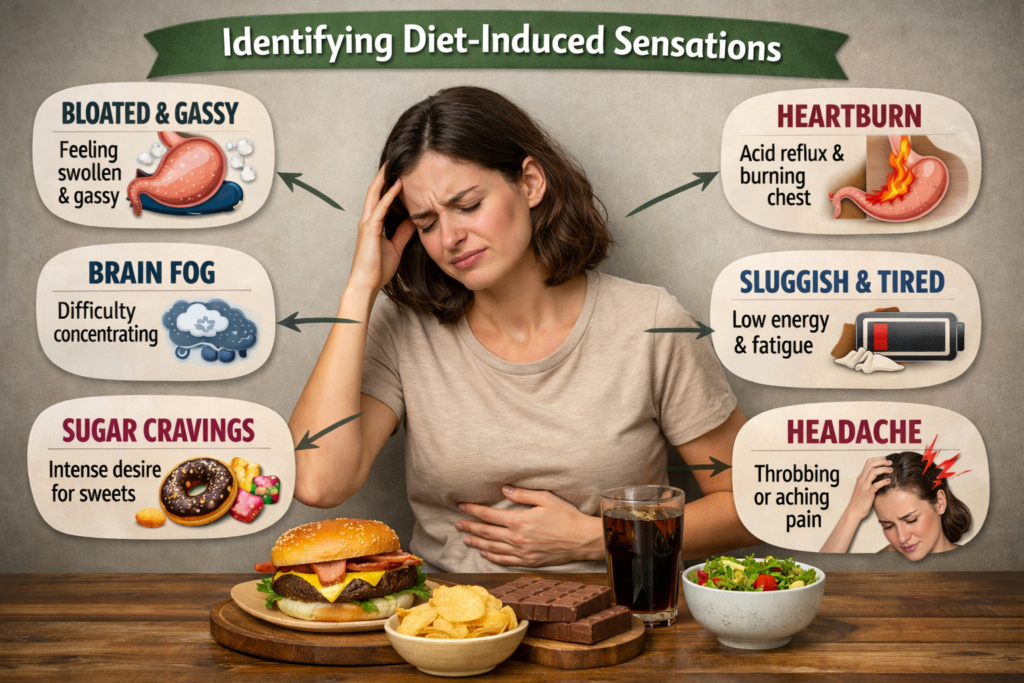
3. Identifying Diet-Induced Sensations
Generally speaking, if your skin sensations appear within 30 to 90 minutes of eating or drinking, they are likely diet-related. Look for these specific patterns:
| Trigger | Typical Sensation | Timing |
| Excessive Caffeine | Rapid tingling, “electric” zaps, or jittery prickling. | Starts 20–40 minutes after consumption. |
| High Sugar Intake | Hot flashes, deep itching, or a “sticky” burning feeling. | Peaks 1 hour after eating; recurs during the “crash.” |
| The Combination | Intense “crawling” feelings and hyper-sensitivity to touch. | Often occurs after “energy” drinks or sweetened lattes. |
4. 2026 Strategy: The “Calm Skin” Dietary Reset
Fortunately, you don’t have to give up your favorite treats forever. By applying these 2026-recommended adjustments, you can enjoy your day without the skin-nerve fallout.
Smart Caffeine Habits
- The L-Theanine Buffer: If you drink coffee, consider pairing it with L-Theanine (often found in green tea). Because L-Theanine promotes relaxation without drowsiness, it “smoothes out” the jittery nerve signals caused by caffeine.
- The “One-for-One” Rule: For every cup of coffee, drink 500ml of water. By doing this, you prevent the dehydration that makes your skin nerves so irritable.
Glucose Management
- The “Fiber First” Method: Before consuming something sugary, eat a small amount of fiber or healthy fat (like a handful of almonds). As a result, the sugar enters your bloodstream more slowly, preventing the massive insulin spike that fuels skin inflammation.
- Natural Sweeteners: In 2026, we prefer monk fruit or stevia over refined white sugar. Since these don’t trigger an insulin response, they are far “kinder” to your nervous system.
5. When to Consult a Professional
While dietary changes solve many cases of neurogenic inflammation, seek medical advice if:
- You experience numbness or “heavy limbs” after consuming sugar (this could indicate pre-diabetes or neuropathy).
- Your skin flushing is accompanied by difficulty breathing or swelling.
- The sensations persist even after a 7-day “clean” diet trial.
Conclusion
To wrap up, caffeine and sugar are powerful tools that can either help you through your day or set your nervous system on edge. While they don’t “cause” the nerves to exist, they certainly change how loudly those nerves speak to your brain. By managing your intake and protecting your system from spikes, you can keep your skin feeling calm, cool, and comfortable.