Introduction
First, fasting and dieting can bring many health benefits. People often feel lighter and more energized. However, skin sometimes tells a different story.
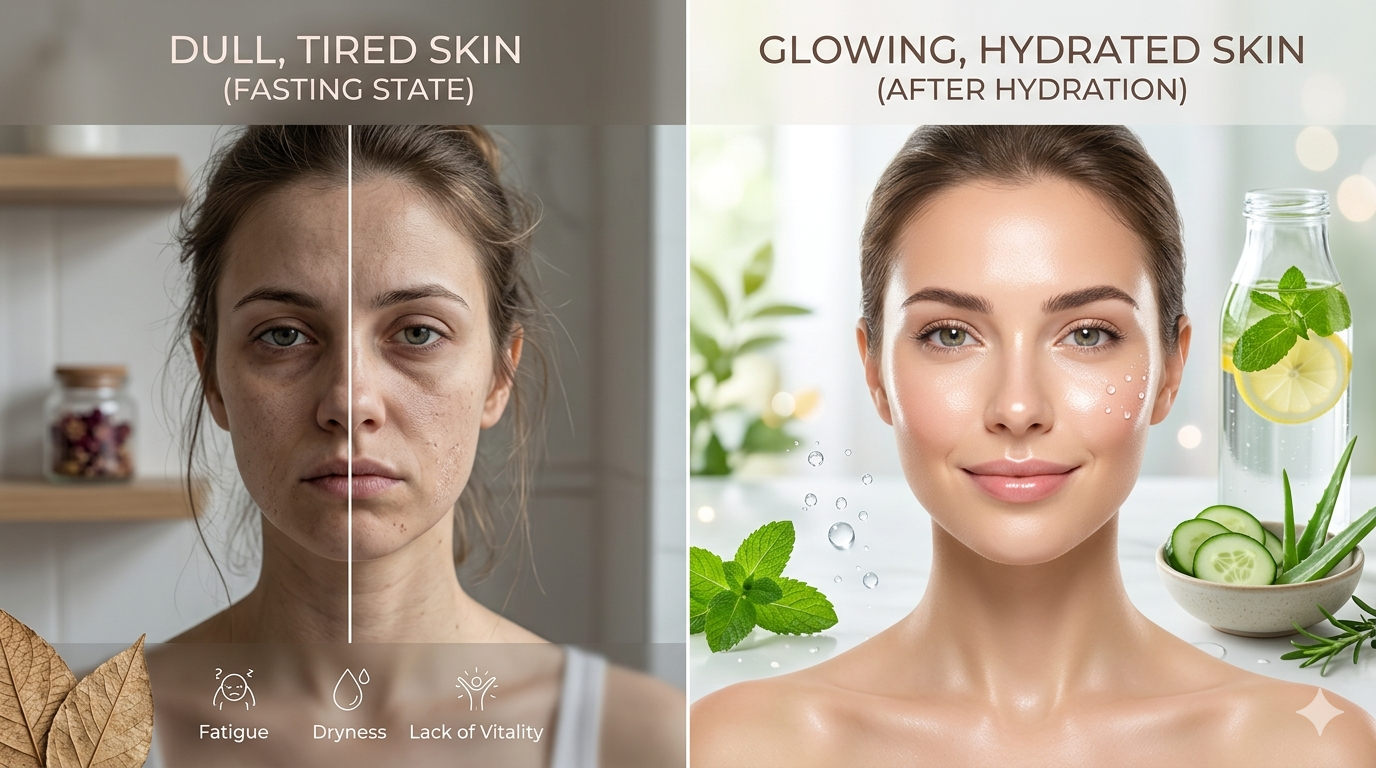
Many individuals notice dullness. Others see dryness or tired-looking skin. As a result, confidence may drop.
So, why does this happen? More importantly, how can you prevent it?
In fact, your skin reflects what happens inside your body. Therefore, changes in eating patterns can quickly affect how your skin looks and feels.
Why Skin Looks Dull During Fasting or Dieting
First, your body receives fewer nutrients. Vitamins and minerals play a key role in skin health. Without them, skin may lose its glow.
Second, hydration levels often drop. Many people forget to drink enough water. Consequently, skin becomes dry and less radiant.
According to , dehydration can make skin look tired and less elastic.
Additionally, energy levels change. Your body prioritizes essential functions. As a result, skin repair slows down.
Therefore, dullness is not random. Instead, it is a signal that your body needs support.
The Link Between Nutrition and Skin Glow
Next, nutrition directly affects your skin.
For example:
- Vitamin C supports brightness
- Healthy fats improve softness
- Protein helps repair skin cells
However, strict dieting often reduces these nutrients. Consequently, skin may appear uneven and tired.
This idea connects with topics on your site. For instance,
👉 The Gut-Brain-Skin Axis: Can Fixing Your Digestion Calm Your Nerves? explains how internal balance impacts skin appearance.
Therefore, improving nutrition is essential—even during fasting.
Hydration: The Most Overlooked Factor
Moreover, hydration plays a major role.
During fasting, water intake often becomes limited. As a result, skin loses moisture quickly.
Dehydrated skin may:
- Look dull
- Feel tight
- Show fine lines more clearly
To prevent this, drink enough water during non-fasting hours. Also, include water-rich foods such as fruits and vegetables.
In addition, you can support hydration externally. Use gentle skincare products that lock in moisture.
How Stress Affects Your Skin
Furthermore, fasting can sometimes increase stress.
Your body adapts to a new routine. At the same time, cortisol levels may rise.
As a result:
- Skin becomes more sensitive
- Glow decreases
- Repair slows down
This pattern relates to topics like
👉 Emotional Stress and ‘Electric Shock’ Sensations in the Skin
Therefore, managing stress is just as important as managing diet.
Simple Ways to Keep Your Skin Glowing
Fortunately, you can protect your skin with simple habits.
1. Eat Nutrient-Dense Foods
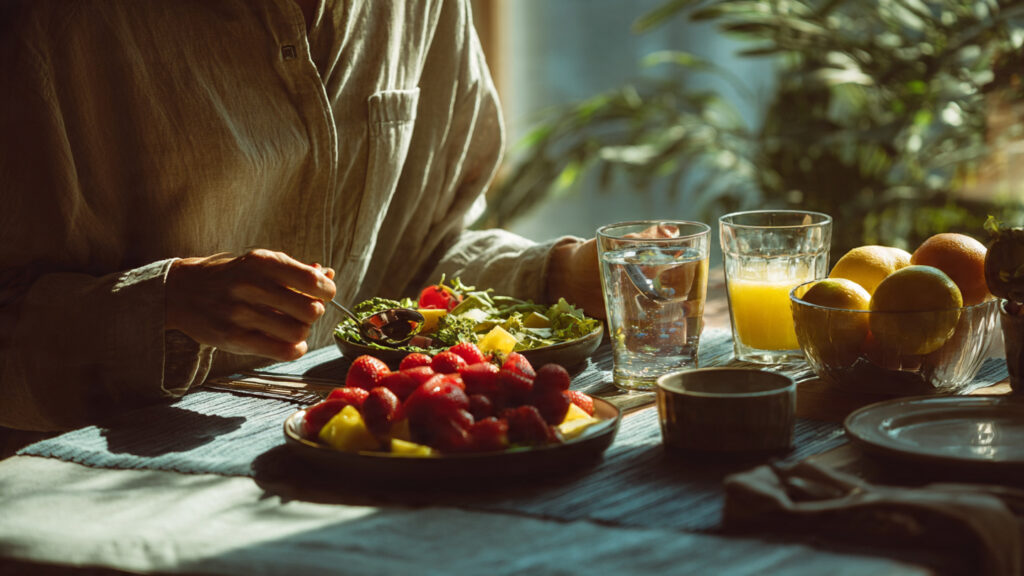
First, choose foods rich in vitamins. Fruits, vegetables, and healthy fats support skin health.
2. Stay Hydrated
Next, drink enough water between meals. Consistency matters more than quantity at once.
3. Use Gentle Skincare
Avoid harsh products. Instead, use mild cleansers and hydrating creams.
For example, gentle care aligns with the philosophy seen in your content about calming the skin.
4. Support Blood Circulation
Additionally, light massage improves skin glow.
You can explore:
👉 Face Massage: How It Boosts Blood Circulation and Increases Your Glow
5. Prioritize Sleep
Sleep allows your skin to repair. Therefore, aim for consistent rest.
6. Reduce Screen Time
Excessive screen exposure can worsen dullness. It increases fatigue and reduces relaxation.
The Role of Gentle Skincare During Fasting
In addition, your skincare routine should adapt.
During fasting, your skin becomes more sensitive. Therefore, avoid strong exfoliants.
Instead:
- Use hydrating serums
- Apply lightweight moisturizers
- Protect your skin barrier
This approach matches your site’s focus on gentle, calming care.
Foods That Help Restore Glow
Moreover, certain foods improve skin appearance quickly.
For example:
- Avocados provide healthy fats
- Berries offer antioxidants
- Cucumbers support hydration
According to , antioxidants help protect skin from damage.
Therefore, small dietary changes can make a visible difference.
Common Mistakes to Avoid
Many people unintentionally harm their skin during fasting.
Avoid these mistakes:
- Skipping hydration
- Eating low-quality processed foods
- Over-exfoliating skin
- Ignoring sleep
As a result, correcting these habits improves your skin quickly.
Conclusion
In conclusion, dull skin during fasting or dieting is common. However, it is not unavoidable.
Your skin responds to hydration, nutrition, and daily habits. Therefore, small adjustments create big improvements.
By supporting your body, you also support your skin.
Ultimately, glowing skin is not about eating more—it is about eating smarter and caring consistently.
FAQ: Quick Answers
1. Why does my skin look dull while fasting?
Because hydration and nutrient levels may drop, which affects skin brightness.
2. Can dieting damage skin glow?
Yes, especially if essential nutrients are missing.
3. How can I keep my skin hydrated during fasting?
Drink water regularly during non-fasting hours and use moisturizing skincare.
4. What foods improve skin glow quickly?
Fruits, vegetables, and healthy fats like avocados and berries.