
Do you ever feel like your skin has a mind of its own? One day it is glowing and calm. Then, the wind changes, and suddenly your face feels tight, itchy, or red. If this sounds familiar, you are not alone. Many of us struggle when the seasons shift. In fact, sensitive skin is often the first to react to a drop in temperature or a spike in humidity.
But why does this happen? And more importantly, how can you stop it? Protecting your skin does not have to be a mystery. By making small changes to your daily habits, you can keep your skin happy all year long. In this article, we will walk through the best ways to shield your complexion from the elements.
Why Does the Weather Impact Sensitive Skin?
To start, let’s talk about your skin barrier. Think of this barrier as a protective wall. Its job is to keep moisture inside your body. At the same time, it keeps dust, pollution, and bacteria out. However, weather changes act like a wrecking ball to this wall.
When the air gets cold and dry, your skin loses water very fast. Consequently, the “bricks” in your wall begin to crack. On the other hand, high heat and sweat can clog your pores and cause heat rashes. For those of us with sensitive skin, our “wall” is naturally a bit thinner. Therefore, we feel these changes more than others.
Tell us: Which season makes your skin react the most? Is it the dry winter air or the humid summer heat?
Spring: Taming the “Allergy Glow”
Spring is beautiful, but it brings hidden dangers for sensitive skin. First, the humidity starts to rise. This change causes your skin to produce more oil. Second, the air is full of pollen. For many, pollen leads to itchy patches and puffiness.
To stay protected, you should switch to a lighter cleanser. Since your skin is producing more oil, you do not need a heavy cream cleanser right now. Instead, try a gentle, hydrating gel. This will clean your skin without stripping it.
Furthermore, you should focus on antioxidants. Because pollution and pollen are high in spring, your skin needs extra help. A Vitamin C serum made for sensitive skin can be a lifesaver. It acts like a shield against environmental stress. Also, try to rinse your face as soon as you get home from a walk. By doing this, you remove allergens before they cause trouble.
If you need more help finding the right products, check out our guide on calming sensitive skin. We share many tips on how to keep your routine simple and effective.
Summer: Beating the Heat and the Sun
When summer arrives, the sun is your biggest challenge. UV rays are very harsh on sensitive skin. They don’t just cause burns; they cause deep inflammation. Additionally, sweat can trap bacteria against your skin.
First, you must choose the right sunscreen. Many people with sensitive skin avoid sunscreen because it stings. However, this is usually because they use chemical filters. Instead, you should look for a mineral sunscreen. These contain Zinc Oxide or Titanium Dioxide. They sit on top of the skin and reflect the sun like a mirror. Consequently, they are much less likely to cause a reaction.
Next, keep your hydration light. You still need moisture, but you don’t want a thick film. Therefore, look for “water-creams” or serums with Hyaluronic Acid. These ingredients hold water in the skin without making you feel greasy. Finally, keep a soothing mist in the fridge. Whenever your face feels hot, a quick spray will calm the redness immediately.
Autumn: Repairing and Preparing
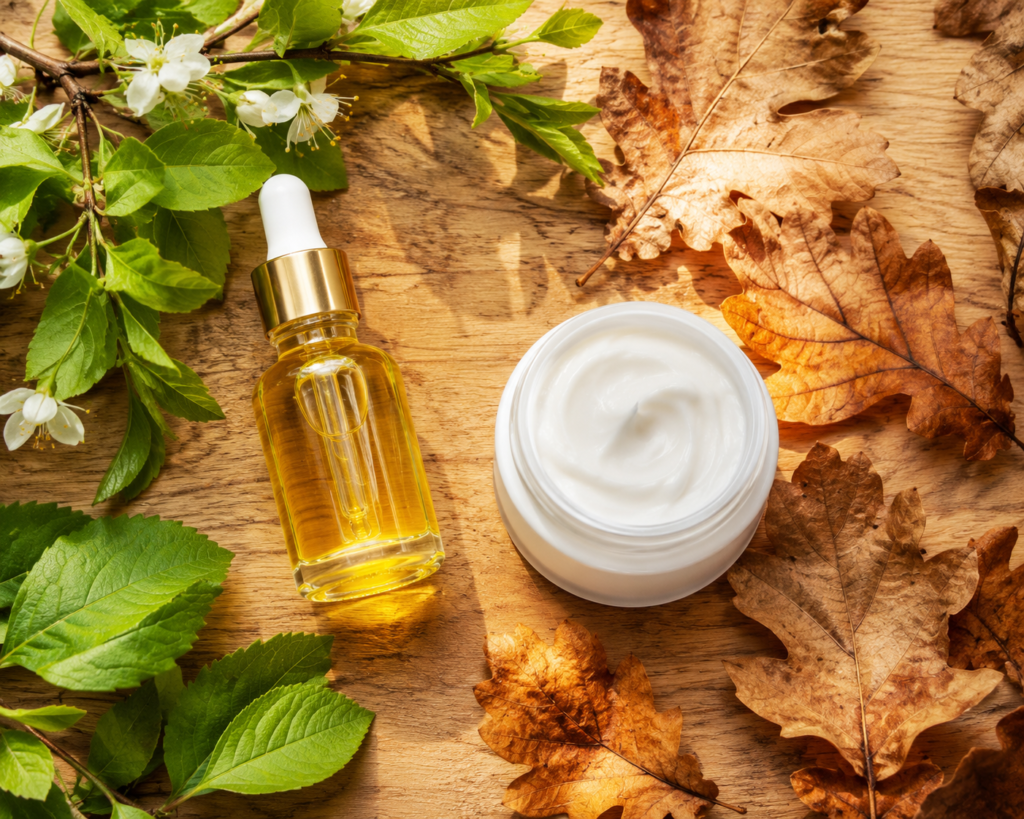
As the leaves fall, the air becomes crisp and dry. This transition is often the hardest for the skin. Because the humidity drops so quickly, your skin can become dehydrated in just a few days. Moreover, we start to turn on the indoor heating, which sucks even more moisture out of the air.
To fix this, you should look for ceramides. According to experts at Healthline, ceramides are fatty acids that lock moisture into the skin. They help rebuild your skin barrier after the summer heat. By adding a ceramide cream to your routine, you can prevent that “tight” feeling.
Additionally, you should reconsider your shower habits. We all love a hot shower on a cold day. However, hot water is the enemy of sensitive skin. It washes away your natural oils. Therefore, try to use lukewarm water instead. Your skin will thank you for it!
Winter: The Ultimate Shield
Winter is the season where your skin needs the most love. The combination of freezing wind and dry indoor air is a recipe for disaster. During these months, your goal is “occlusion.” This simply means creating a seal over your skin.
First, stop using anything that foams. Foaming cleansers often contain harsh soaps. Instead, use a creamy, non-soap wash. This ensures you are not losing moisture during the cleaning process.
Second, try the “layering” method. Do not rely on just one cream. Instead, apply a hydrating serum first. Then, apply your moisturizer. Finally, add a tiny drop of facial oil on top. This creates a triple-layer defense. Furthermore, wear a soft scarf made of silk or cotton. Rough wool can scratch your skin and cause a “windburn” rash.
Simple Rules for Every Season
No matter the month, keep these three rules in mind:
- Always Patch Test: Never put a new product all over your face. Test it on your neck or jaw first for two days.
- Keep it Simple: The more products you use, the higher the chance of a reaction. Stick to the basics.
- Drink Water: While creams help from the outside, your body needs water from the inside to stay healthy.
Do you have a “secret” product that saves your skin in the winter? Let us know in the comments! We love hearing your tips.
FAQ: Quick Answers
1. Do I really need to change my routine every season?
Not completely. You only need to swap one or two items. For example, use a thicker cream in winter and a lighter gel in summer.
2. Can I skip sunscreen if it is cloudy or cold?
No, you should never skip it. UV rays go through clouds and reflect off snow. This can be very damaging to sensitive skin.
3. What is the best ingredient for redness?
Look for Niacinamide or Centella Asiatica. These ingredients are famous for calming irritation and reducing redness.
4. Why does my skin itch when I turn the heater on?
Heaters make the air very dry. This causes the water in your skin to evaporate. Using a humidifier can help stop this.