Have you ever spent hours staring at the tiny text on the back of your moisturizer bottle? If so, you have likely seen the word “Panthenol” listed near the top. You might have ignored it, thinking it was just another boring chemical. However, this ingredient is actually a hidden superstar in the world of beauty. In fact, many dermatologists call it a “magic” ingredient for anyone struggling with dry or irritated skin.
If your skin feels tight, red, or rough, Panthenol might be the missing piece in your routine. But what exactly is it? And more importantly, how can it transform your complexion? In this guide, we will dive deep into the world of Vitamin B5. We will explore why your skin craves it and how you can use it to achieve a soft, healthy glow.
What Exactly is Panthenol?
To begin with, let’s clear up the names. Panthenol is a stable form of Vitamin B5. When you apply it to your skin, your body converts it into pantothenic acid. Consequently, this acid becomes a vital part of your skin’s health. Because it is a “pro-vitamin,” it penetrates deep into the layers of the skin rather than just sitting on the surface.
Furthermore, Panthenol is famous for being incredibly gentle. While some active ingredients like Retinol can cause irritation, Panthenol does the opposite. It acts as a soothing blanket for your face. Therefore, it is a staple ingredient for people with sensitive or reactive skin types.
Do you usually look for specific ingredients in your skincare, or do you buy products based on the brand name? Let us know in the comments!
The Power of Hydration: A Moisture Magnet
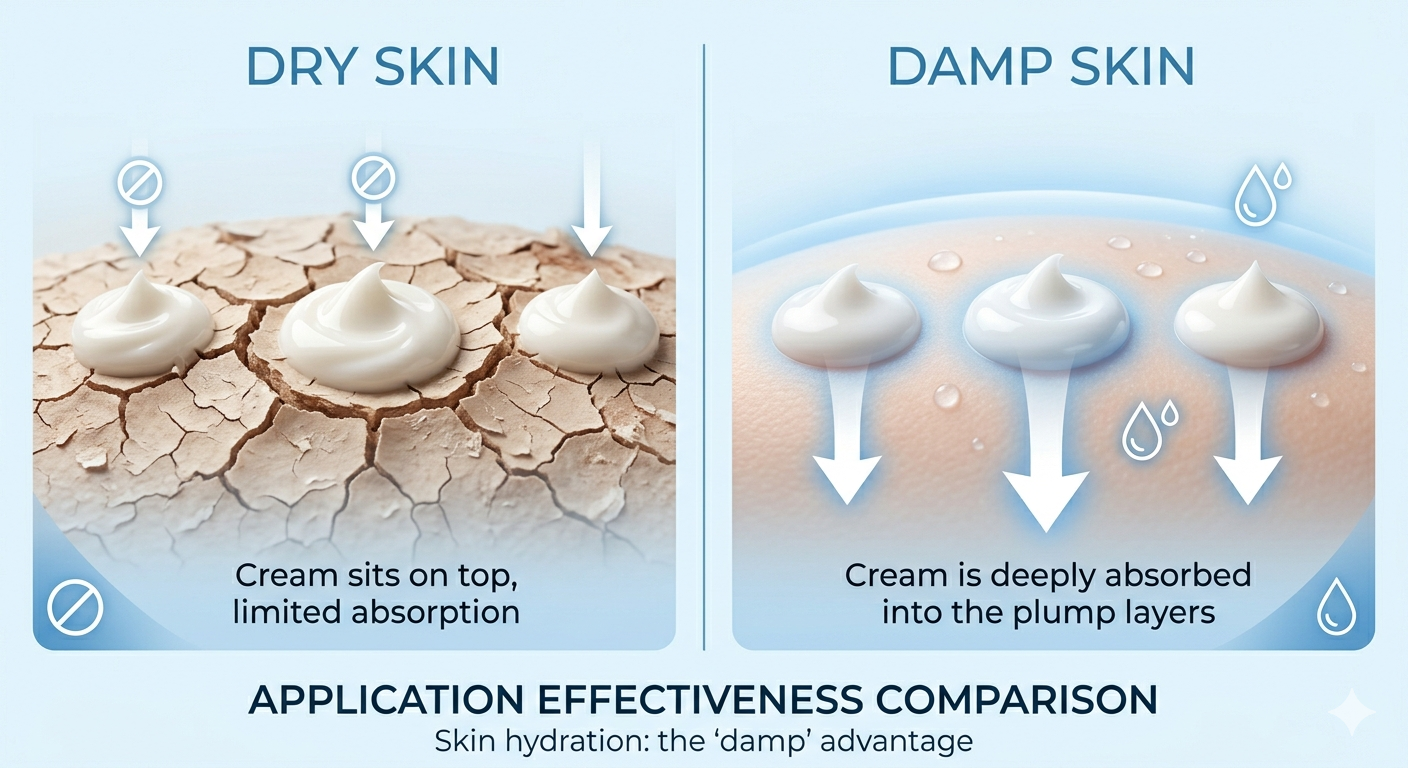
The most famous benefit of Panthenol is its ability to hydrate. In the skincare world, we call it a “humectant.” This means it works like a high-powered magnet. It pulls moisture from the air and traps it inside your skin cells.
However, Panthenol goes a step further than most humectants. In addition to attracting water, it is also an “emollient.” This means it seals the cracks in your skin surface. Have you ever felt that your skin is dry even after applying lotion? That usually happens because the moisture evaporates. Panthenol prevents this by strengthening your skin barrier.
According to Healthline, this dual action makes it one of the best ingredients for treating dehydration. When your barrier is strong, your skin stays plump and youthful. If you want to learn more about keeping your barrier healthy, you can check out our guide on protecting sensitive skin during season changes on our homepage.
Softening the Skin: The Secret to a Silky Texture
We all want that “velvet” feel when we touch our faces. Unfortunately, pollution, wind, and harsh soaps often make our skin feel like sandpaper. This is where Vitamin B5 shines.
Because Panthenol is an emollient, it smoothes out the rough patches on your skin. It fills in the tiny gaps between your skin cells with healthy lipids. Consequently, your skin texture looks more refined and feels significantly softer to the touch.
Moreover, Panthenol helps with elasticity. When your skin is well-hydrated and soft, it bounces back more easily. This can actually reduce the appearance of fine lines caused by dryness. Therefore, if you want a smoother makeup application, using a Panthenol-rich serum is a fantastic first step.
A Hero for Sensitive and Irritated Skin
If you suffer from redness or itching, you know how frustrating it is to find products that work. Many ingredients claim to be “calming,” but they often contain hidden fragrances. Panthenol, however, is naturally anti-inflammatory.
First, it reduces the “sting” associated with sunburns or windburns. Second, it speeds up the healing process of the skin. For example, if you have picked at a blemish or have a small scratch, Vitamin B5 helps the skin repair itself faster. In fact, it is so safe and effective that it is often used in baby creams to treat diaper rash.
Have you ever used a product that instantly calmed your redness? Was Panthenol on the ingredient list? Check your bottles and tell us what you find!
How to Use Panthenol in Your Daily Routine
The best part about Panthenol is its versatility. You do not need to replace your entire routine to enjoy its benefits. Instead, you can easily add it to what you already use.
- In a Cleanser: Look for a Panthenol-based wash. It ensures that your skin does not feel “stripped” after cleaning.
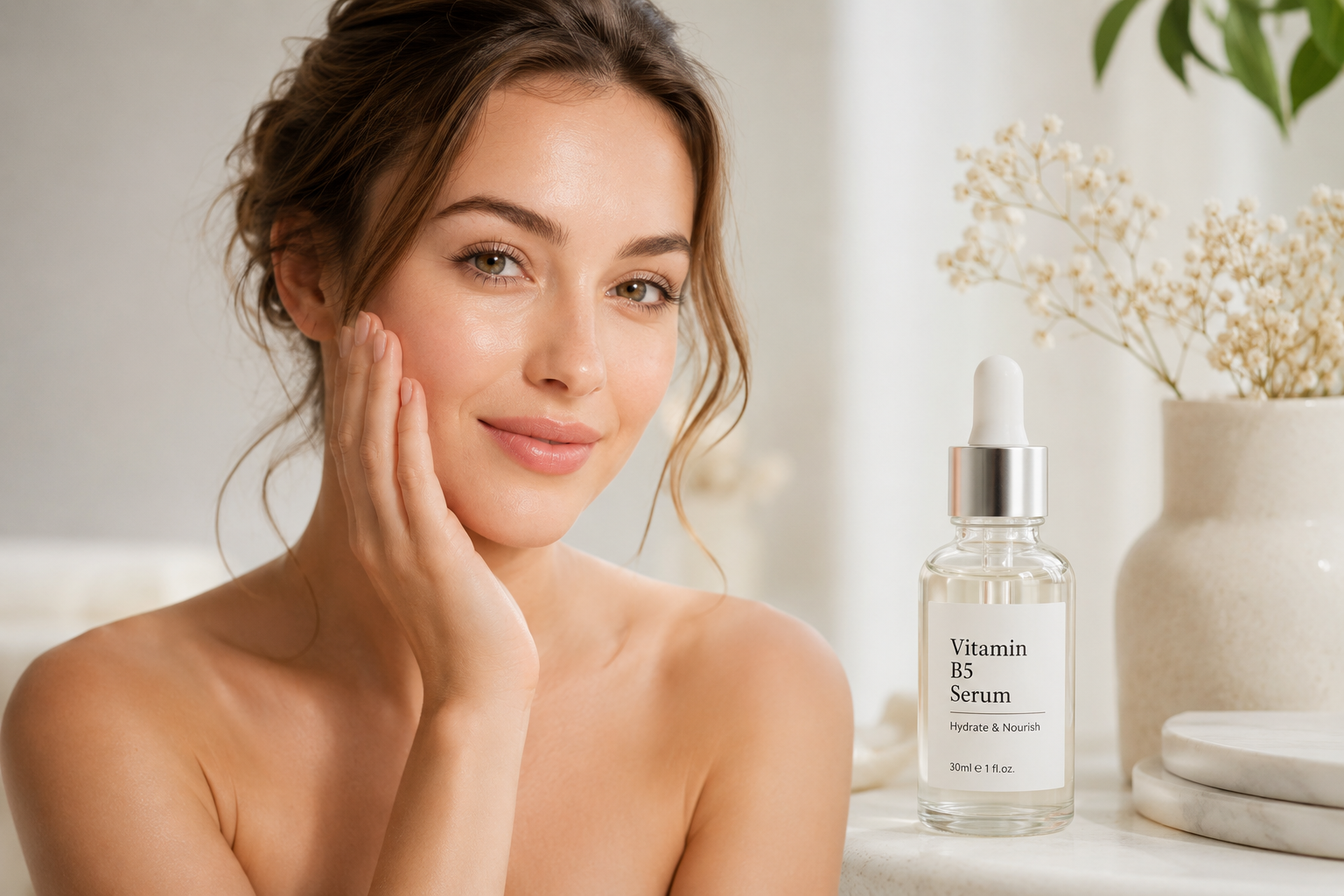
- In a Serum: This is the most effective way to use it. A concentrated Vitamin B5 serum can be applied before your moisturizer to boost hydration.
- In a Moisturizer: Many night creams use Panthenol to repair the skin while you sleep.
- After Sun Care: Always look for this ingredient after a day at the beach. It will cool the skin and prevent peeling.
Additionally, Panthenol plays very well with other ingredients. For instance, combining it with Hyaluronic Acid creates a “hydration bomb.” Furthermore, using it alongside Vitamin C can help protect your skin from redness while the Vitamin C brightens your tone.
Why SkinCalmHub Recommends Vitamin B5
At SkinCalmHub, we believe that skincare should be simple and soothing. We focus on ingredients that respect the skin’s natural balance. Panthenol fits this mission perfectly. It does not force the skin to change overnight. Instead, it gives the skin the tools it needs to heal itself.
By choosing products with Vitamin B5, you are investing in the long-term health of your skin barrier. Consequently, you will notice fewer flare-ups and a more consistent glow. Remember, beautiful skin is healthy skin.
Summary of Benefits
To wrap things up, let’s look at the “Big Four” benefits of Panthenol:
- Deep Hydration: It acts as a humectant to stop dryness.
- Skin Repair: It heals wounds and strengthens the barrier.
- Soothing Effect: It calms redness and inflammation.
- Softness: It smoothes the skin texture for a silky feel.
What is your biggest skin struggle right now? Is it dryness, sensitivity, or texture? Let’s chat in the comments below!
FAQ: Quick Answers
1. Is Panthenol safe for acne-prone skin?
Yes, it is non-comedogenic. This means it will not clog your pores. In fact, its healing properties can help acne scars fade faster.
2. Can I use Vitamin B5 every day?
Absolutely. You can use it both in the morning and at night. It is very gentle and does not cause sun sensitivity.
3. Is Panthenol better than Hyaluronic Acid?
They are different but work great together. Hyaluronic Acid holds more water, but Panthenol is better at soothing and repairing the skin barrier.
4. How long does it take to see results?
You will feel the softness and hydration almost immediately. However, barrier repair usually takes about two to four weeks of consistent use.