Have you ever noticed a painful pimple appearing exactly before a big presentation? Naturally, you might feel frustrated by this timing. In 2026, we understand that your skin is a direct map of your emotional health. Therefore, when your mind is stressed, your pores often react.
Fortunately, learning how to manage “Stress Acne” is simpler than you think. In this guide, we will explore why anxiety triggers breakouts and how you can keep your skin clear during tough times.
1. The Science: How Stress Flips the “Oil Switch”
To start with, it is important to know that stress doesn’t directly cause bacteria. Instead, it changes how your body functions. Specifically, anxiety triggers a hormonal chain reaction.
The Cortisol Connection
When you feel overwhelmed, your brain releases cortisol. As a consequence:
- Oil Overload: Cortisol signals your sebaceous glands to produce more oil (sebum).
- Clogged Pores: Since there is more oil on the skin, your pores become blocked more easily.
- Slow Healing: Because stress weakens your immune system, those red bumps stay on your face much longer than usual.
2. Identifying “Stress Acne” vs. Regular Acne
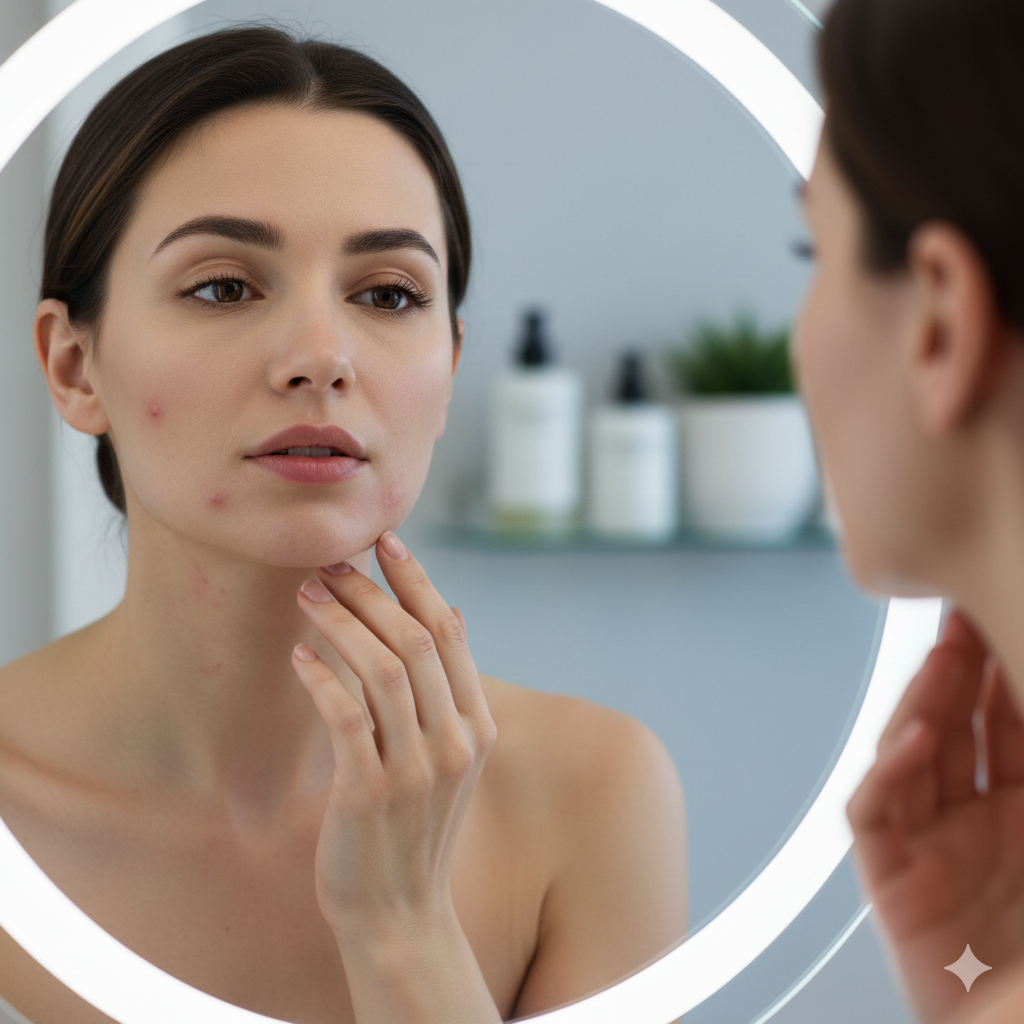
Generally speaking, regular acne appears consistently. In contrast, stress-related breakouts have specific patterns. For instance, you should look for:
- The “U-Zone” Pattern: Stress acne often appears around the jawline, chin, and mouth.
- Inflamed Bumps: These pimples are usually red, swollen, and painful to the touch.
- Random Timing: The breakouts happen mainly during weeks of high pressure or poor sleep.
3. Simple Ways to Clear Stress Acne
The good news is that you can treat these breakouts without harsh chemicals. In fact, a gentle approach is often better for “anxious skin.”
Immediate Skin Relief
- Keep it Simple: Rather than using five different products, stick to a basic cleanser and moisturizer.
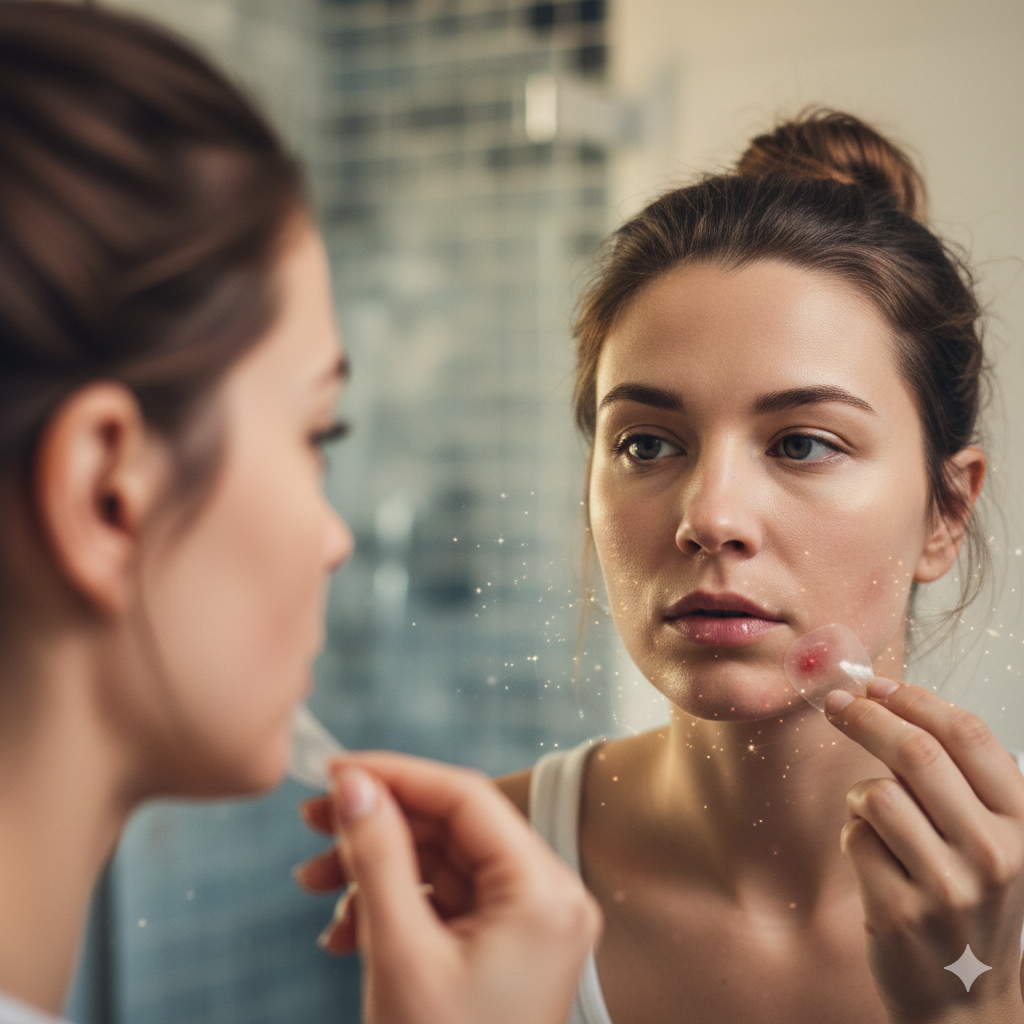
- Avoid Picking: Although it is tempting, popping stress pimples leads to scarring. Instead, use a small pimple patch.
- Cooling Therapy: Regularly applying a cold compress can reduce the swelling and pain of a stress-induced bump.
Emotional Balance
- Hydration First: Because stress dehydrates your body, drinking extra water helps flush out toxins.
- Quiet Time: By spending just 5 minutes in silence, you can lower the cortisol levels that trigger oil production.
4. The 2026 Strategy: “Mindful Skincare”
In addition to creams, 2026 beauty trends focus on the “Internal Glow.” For example:
- Probiotic Support: Since stress affects your gut, eating yogurt or taking probiotics can help clear your skin.
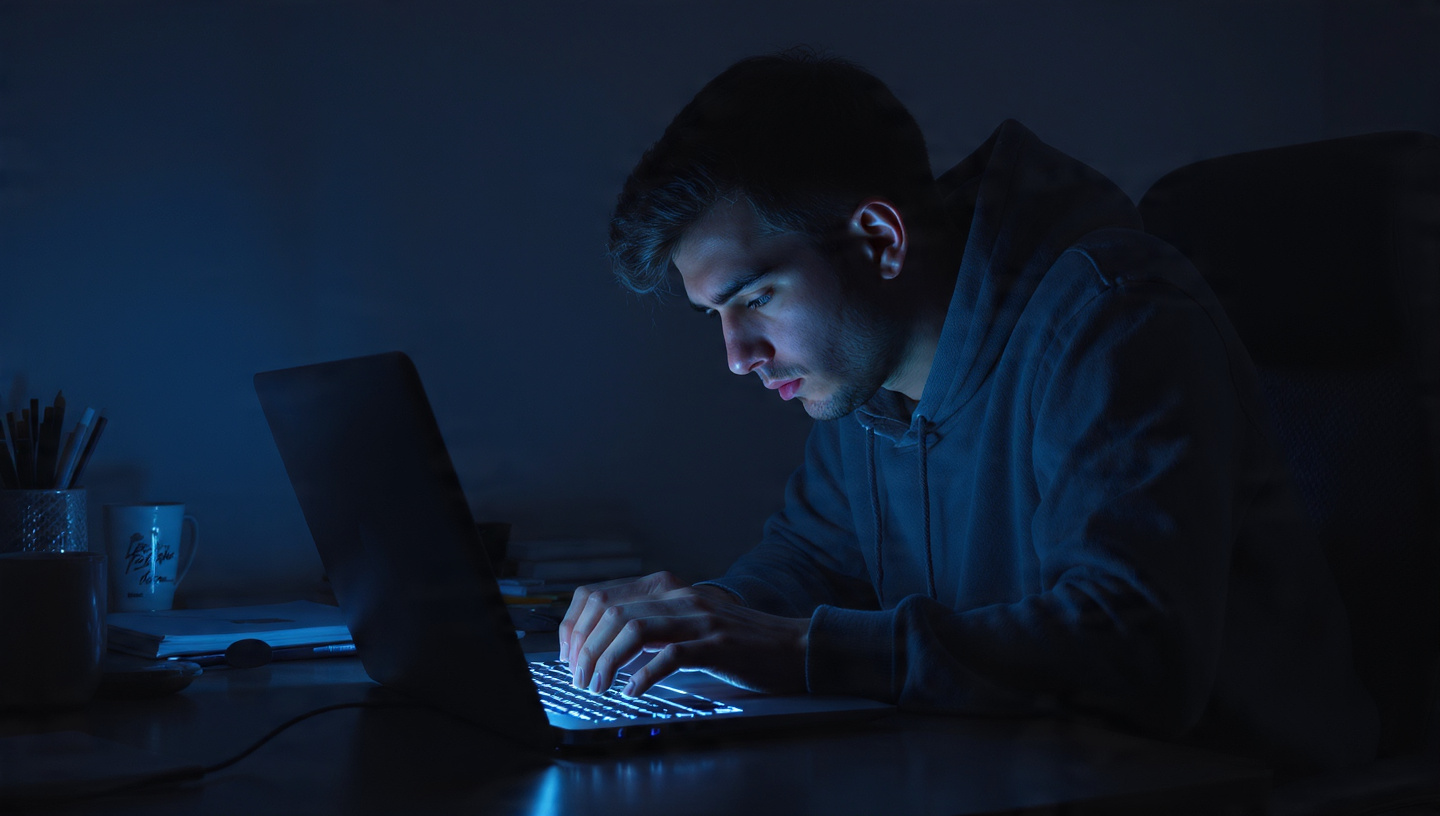
- The “Digital Sunset”: By turning off your phone an hour before bed, you reduce the blue-light stress that inflames your skin.
5. When to Consult a Specialist
While minor breakouts are normal, sometimes professional help is necessary. Consult a dermatologist if:
- In addition to acne, you notice deep, painful cysts that don’t go away.
- Your skin feels hot or looks infected.
- The breakouts are causing significant emotional distress.
FAQ: Quick Answers
Q: Can a single stressful day cause a pimple? A: Usually, yes. The spike in hormones can trigger oil production within hours.
Q: Will chocolate make my stress acne worse? A: Actually, the sugar in chocolate is more of a trigger than the cocoa itself, especially when your body is already stressed.
Conclusion
To wrap up, stress acne is a sign that your body needs a break. While a breakout is annoying, it is also an invitation to practice self-care. By simplifying your routine and calming your mind, you can enjoy clear skin again. Remember, your skin is resilient—and so are you.