
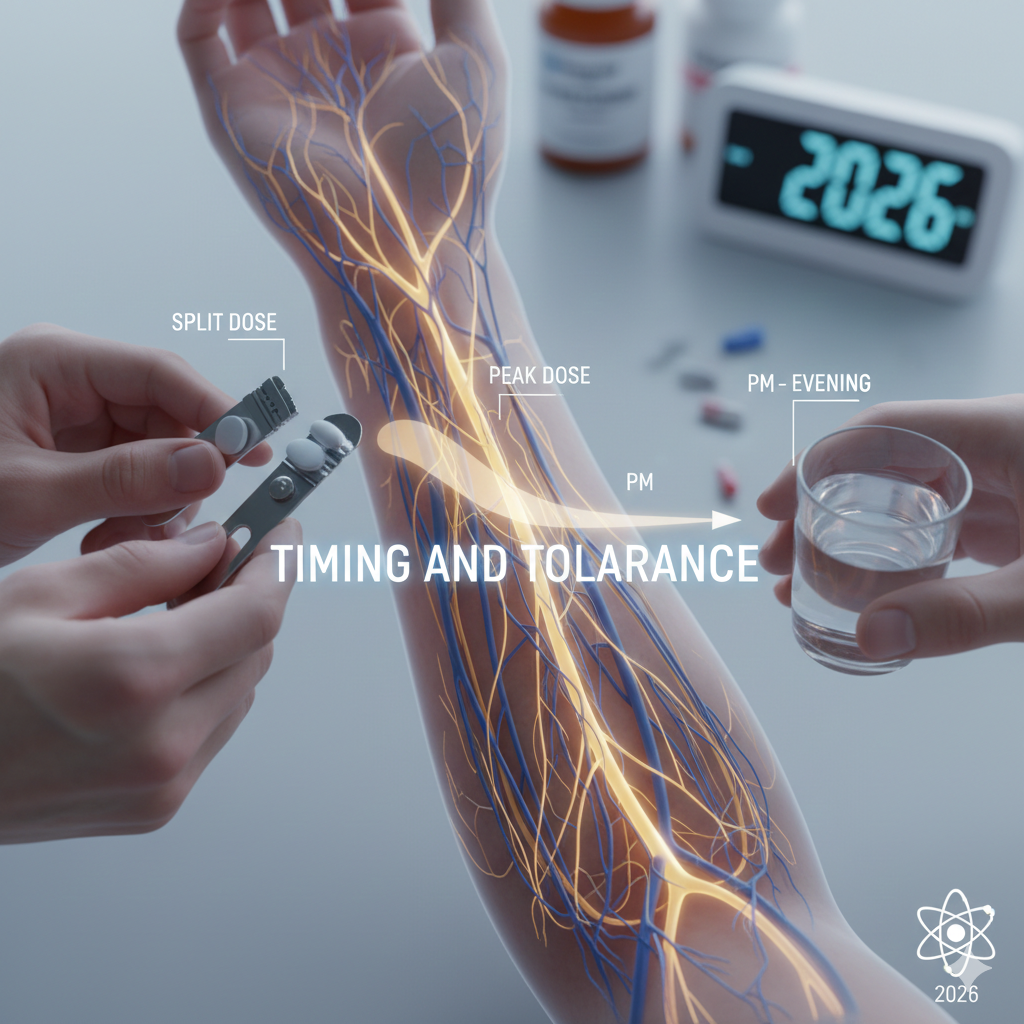
Have you ever started a new prescription only to find yourself plagued by a strange, “crawly” sensation under your skin just a few hours later? While we often focus on side effects like nausea or drowsiness, 2026 pharmacological data shows that many common medications can inadvertently trigger Drug-Induced Formication. This sensation—the feeling of insects crawling on the skin—occurs when certain chemicals interfere with how your nerves communicate with your brain.
If you are experiencing these sensations, you are not alone, and it is rarely a sign of a permanent allergy. In this guide, we will identify the primary drug classes responsible for these signals and provide 2026 strategies to manage the discomfort safely.
1. The Science: How Drugs “Tickle” Your Nerves
To understand this reaction, you must recognize that many medications work by altering the levels of neurotransmitters like dopamine, serotonin, and norepinephrine. However, these same chemicals also regulate your sensory perception.
- Neurotransmitter Imbalance: Many drugs increase the concentration of dopamine in the brain. Consequently, your sensory processing center becomes “hyper-aware,” causing it to misinterpret normal nerve activity as a crawling sensation.
- Peripheral Nerve Irritation: Certain medications can slightly irritate the small-fiber nerves located just beneath the surface of your skin. As a result, they send spontaneous “prickling” signals to the brain without any physical touch.
- Histamine Release: Some drugs act as “histamine releasers” even if you aren’t technically allergic to them. Therefore, they cause an internal itch that feels like it is moving beneath the skin rather than on top of it.
2. Identifying the Primary Culprits
Generally speaking, specific classes of medication are more likely to cause “skin crawling” than others. For instance, if you are taking any of the following, your sensations may be linked to your prescription:
| Drug Class | Common Examples | Why It Causes “Crawling” |
| Stimulants | ADHD medications, certain decongestants. | They heighten nervous system arousal and dopamine levels. |
| Opioids | Prescription pain relievers. | They trigger “opioid-induced pruritus” via the central nervous system. |
| Antidepressants | SSRIs and SNRIs. | Shifting serotonin levels can temporarily “glitch” sensory nerves. |
| Steroids | Prednisone, Corticosteroids. | They increase skin sensitivity and alter fluid balance in the skin cells. |
3. Immediate Relief: Calming Drug-Induced Sensations
Fortunately, you can often mitigate these sensations without stopping your necessary treatment. However, you should never alter your dosage without a doctor’s approval.
Physical Counter-Signals
- The “Cooling Barrier”: Apply a moisturizer containing Pramoxine. Because this is a topical anesthetic that specifically targets “itch” nerves without entering the bloodstream, it can quiet the crawling feeling without interfering with your oral medication.
- Hydration Loading: Many medications cause sub-clinical dehydration. By doubling your water intake, you help your body flush out metabolic by-products that might be irritating your nerve endings.
Environmental Adjustments
- Switch to Loose Silks: Synthetic fibers can generate static electricity. Since your nerves are already “on edge” from the medication, even tiny static shocks can feel like bugs. Therefore, switching to smooth, natural fabrics provides instant relief.
- Air Purification: Using a high-quality HEPA filter reduces microscopic particles that can trigger “secondary” itching on hyper-sensitive, drug-affected skin.
4. 2026 Strategy: Timing and Tolerance
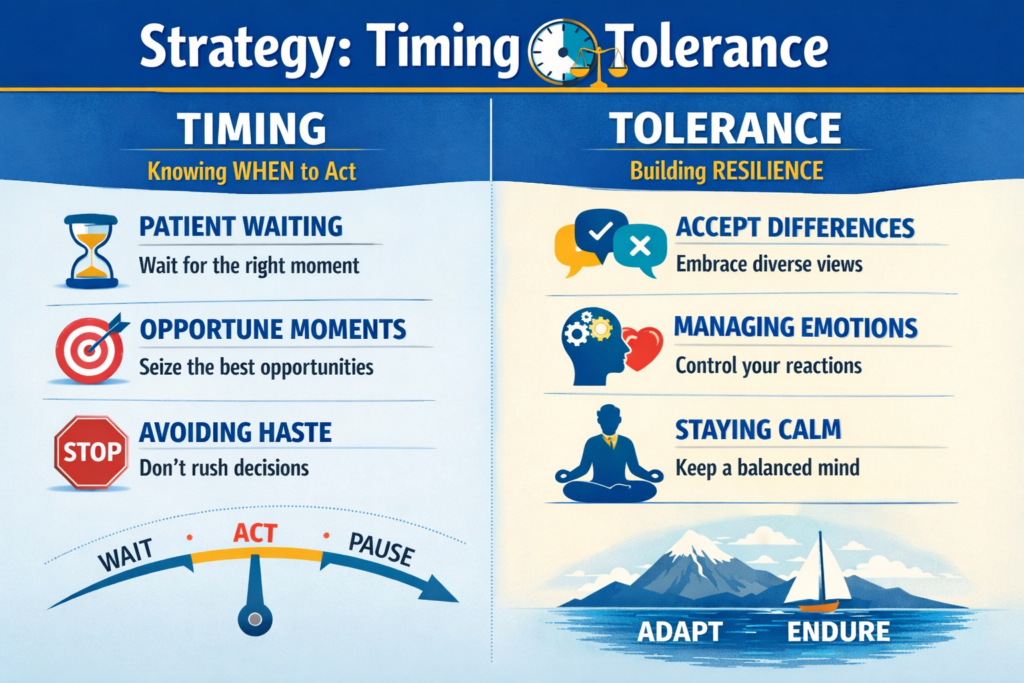
In 2026, we focus on “titrating” the body’s response to new medications. If the crawling is mild, consider these approaches:
- The “Split Dose” Discussion: Ask your doctor if your medication can be taken in smaller doses throughout the day. By doing this, you prevent the “peak” concentration in your blood that often triggers the worst nerve sensations.
- Evening Administration: If the drug allows for it, taking the dose before bed may allow you to sleep through the most intense sensory side effects.
- B-Vitamin Support: Some medications deplete Vitamin B-complex, which is essential for nerve repair. Supplementing with a high-quality B-vitamin (after consulting your pharmacist) can sometimes silence the tingles.
5. When to Consult Your Physician
While “skin crawling” is usually a harmless side effect, you must seek medical advice immediately if:
- The crawling is accompanied by a visible “target” rash or skin peeling.
- You experience swelling of the face or difficulty swallowing.
- The sensation leads to “excoriation disorder” (compulsive scratching that causes wounds).
Conclusion
To wrap up, feeling like your skin is crawling after taking a medication is a physiological response, not a psychological one. While it is undeniably distressing, it is simply your nervous system reacting to a new chemical environment. By understanding the triggers and using sensory-calming techniques, you can successfully manage your treatment while keeping your skin calm. Remember, your health journey is a partnership between you, your doctor, and your body’s signals.