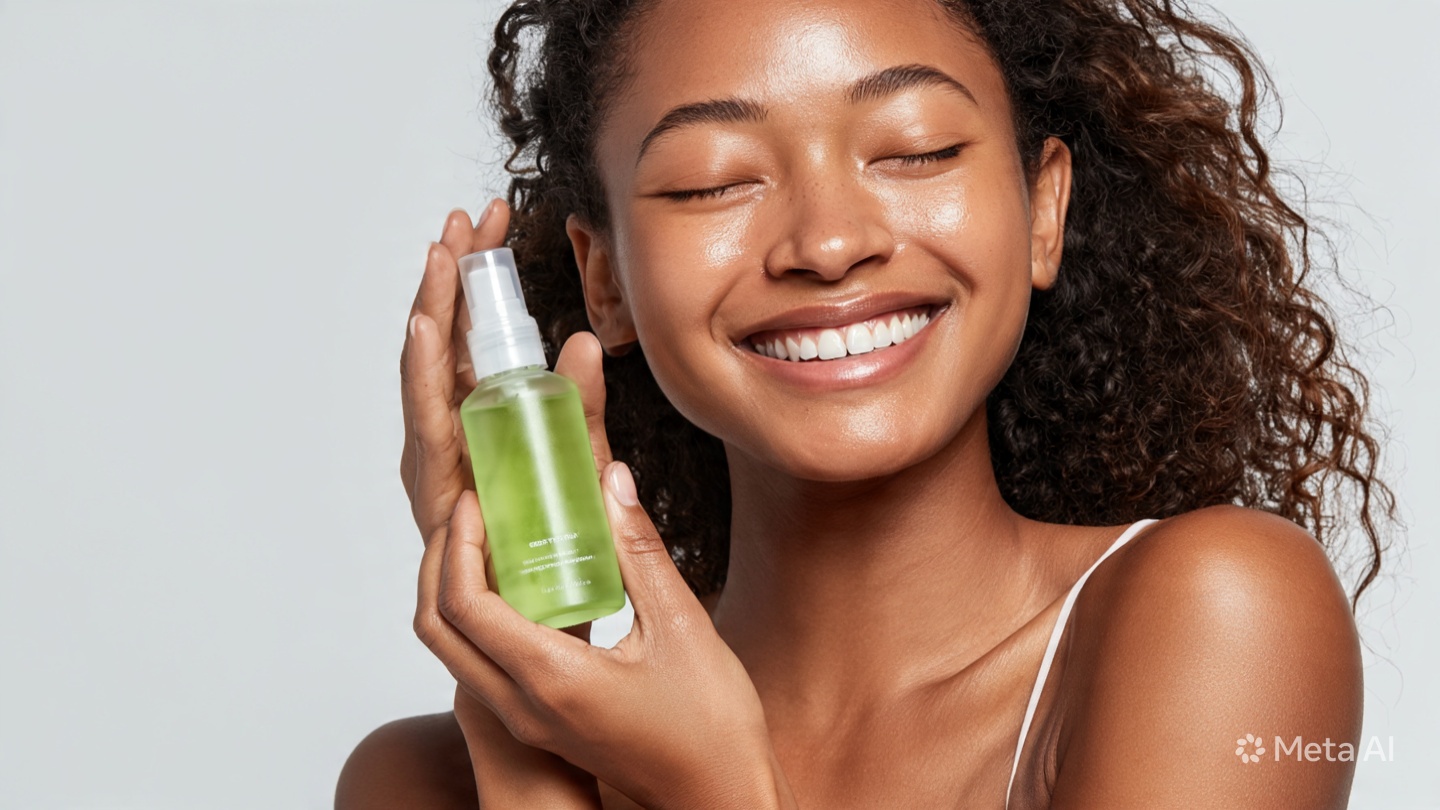

Have you ever applied a new cream only to feel a sharp sting? This sensation is quite common but very frustrating. Many people believe that a “tingle” means the product is working. However, this is often a myth. In reality, a burning sensation usually signals that your skin is in distress.
In this article, we will explore why this happens. Furthermore, we will provide simple solutions to help you achieve a calm and healthy glow.
1. The Role of a Damaged Skin Barrier
First, we must look at the skin barrier. This outer layer acts like a shield. It keeps moisture inside while blocking out harmful bacteria. Therefore, when this shield is healthy, your skin feels soft and resilient.
However, many factors can weaken this barrier. For instance, harsh weather or over-washing can strip away natural oils. Consequently, the shield develops tiny, invisible cracks. When you apply skincare, the ingredients seep into these cracks. This causes an immediate burning sensation because the nerves are exposed.
If you feel a constant sting, your barrier likely needs help. You can learn more about how to soothe irritated skin fast by visiting our main guide.
2. Overusing Strong Active Ingredients
Secondly, active ingredients are a major cause of irritation. Everyone wants fast results from Retinol, Vitamin C, or exfoliating acids. However, using too many of these at once is a big mistake.
For example, many people mix AHAs with high-strength Retinoids in the same night. This combination is often too aggressive for the average person. Specifically, according to research on Healthline, acids can lower the skin’s pH too much. As a result, the skin becomes inflamed and sensitive to even the gentlest products.
3. Hidden Irritants in Your Products
In addition to active ingredients, hidden chemicals can cause trouble. Not every product is as “natural” as it claims to be. For instance, synthetic fragrances are the leading cause of allergic reactions.
Furthermore, many toners contain drying alcohols like Alcohol Denat. These ingredients evaporate quickly. While they make the product feel light, they also suck moisture out of your cells. Consequently, your skin becomes dehydrated and prone to burning.
Moreover, essential oils can be quite tricky. While they smell lovely, oils like peppermint or citrus can be very irritating. Therefore, you should always check the ingredient list for these common culprits.
4. The Impact of Environmental Stress
Meanwhile, the environment plays a huge role in how your skin reacts. For example, cold winter air is very dry. This dryness leads to micro-cracks in the skin surface. Similarly, too much sun exposure causes “subclinical” inflammation.
Consequently, your skin may look fine, but it is actually on the edge of a breakdown. When you apply your evening serum, the skin reacts violently. Therefore, you must adjust your routine based on the seasons and your daily activities.
Practical Solutions to Calm the Burn
If your skin is currently burning, do not worry. You can fix this problem by following a few simple steps.
Simplify Your Routine Immediately
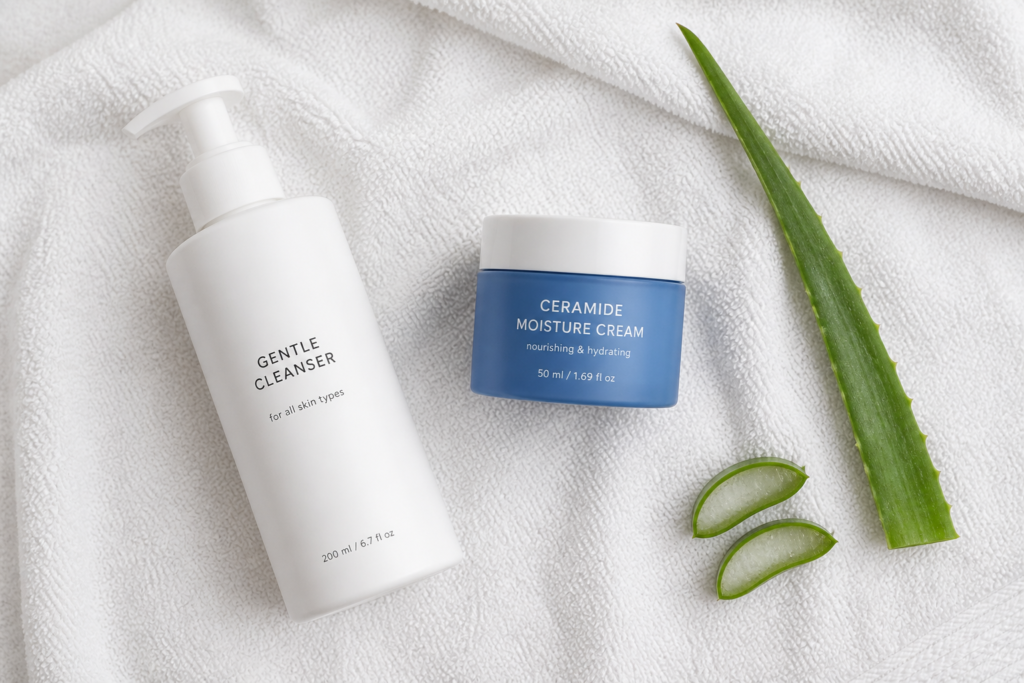
First, you must stop using all “active” products. This means putting away your Vitamin C, Retinol, and chemical peels. Instead, focus only on the basics. Use a creamy cleanser and a thick, fragrance-free moisturizer. By doing this, you give your skin the time it needs to heal itself.
Rebuild with Ceramides and Fatty Acids
Secondly, look for products that contain skin-identical ingredients. For instance, ceramides are essential for repairing the barrier. Likewise, fatty acids and cholesterol help to seal those tiny cracks. When you use these ingredients, you are essentially “gluing” your skin shield back together.
Always Perform a Patch Test
Finally, you should never skip the patch test. Before applying a new product to your entire face, test it on your jawline. Wait at least 24 hours to see if a reaction occurs. This simple habit will save you from a lot of pain and redness in the future.
Final Thoughts
In conclusion, skin burning is a signal that you should not ignore. Whether it is a broken barrier or a harsh ingredient, your skin is asking for help. Therefore, prioritize hydration and protection over aggressive treatments. At SkinCalmHub, we believe that gentle care is the secret to lasting beauty. Listen to your skin, and it will reward you with a healthy, pain-free glow.
FAQ: Quick Answers
Q: Should I keep using a product if it stings?
A: No, you should stop immediately. A sharp sting is a sign of irritation, not effectiveness.
Q: Can a moisturizer cause burning?
A: Yes. If your barrier is broken, even a plain moisturizer can sting because it reaches the deeper layers of the skin.
Q: How long does it take for the skin to heal?
A: Generally, it takes about two to four weeks for the skin barrier to repair itself fully.
Q: Is “tingling” different from “burning”?
A: Yes. A mild tingle can be normal for some acids. However, a hot, painful burn is always a bad sign.