Seeing your skin peel can be quite alarming. You might wake up and notice small white flakes on your forehead. Or, perhaps your nose starts shedding after a weekend in the sun. Naturally, your first instinct might be to scrub the flakes away. However, you must resist that urge. Peeling skin is a sign that your body is trying to heal. Therefore, you need to treat it with extreme kindness.
In this comprehensive guide, we will explore why skin peels. Additionally, we will share the safest ways to reveal the smooth skin underneath. At SkinCalmHub, we focus on gentle healing. So, let’s dive into the details.
Common Causes of Peeling Skin
Understanding the “why” is the first step toward a solution. Many factors can trigger the shedding process. Specifically, these are the most frequent culprits:
1. Sunburn and UV Damage
Firstly, the sun is the most common cause of peeling. When UV rays damage your skin cells, your body identifies them as “broken.” Consequently, your immune system triggers a shedding process. This is actually a protective measure. By peeling, your body removes damaged cells that could potentially become cancerous. Therefore, you should never stop this natural process by force.
2. Excessive Dryness (Xerosis)
Secondly, a lack of moisture often leads to flaking. This happens most often during the winter months. Cold air outside and heaters inside suck the moisture from your pores. As a result, the skin becomes brittle. When the skin loses its elasticity, it begins to crack and peel. If you want to prevent this, you should look at our guide on how to soothe irritated skin fast. It offers great tips for winter care.
3. Strong Skincare Actives
Thirdly, your skincare routine might be the cause. Ingredients like Retinol and Salicylic Acid speed up cell turnover. While this is great for anti-aging, it can be too much for some people. If you apply these products too often, your skin cannot keep up. Consequently, you see visible peeling. According to experts at Healthline, this is often called “retinization.” It is a common phase when starting new treatments.
4. Allergic Reactions and Dermatitis
Furthermore, you might be having an allergic reaction. This is known as contact dermatitis. For instance, a new laundry detergent or a fragranced soap can irritate the skin. Your body reacts by becoming red and inflamed. Eventually, the top layer of skin dies and begins to flake off.
How to Get Rid of Peeling Skin Gently
Now that you know the causes, let’s talk about the solutions. You must be patient. If you are too aggressive, you will cause scarring or infection. Follow these gentle steps instead.
Step 1: Resist the Urge to Pick
Above all, do not pull or pick at the flakes. It is very tempting to grab a piece of skin and tug. However, this often pulls off skin that is not ready to shed yet. Consequently, you create an open wound. This increases the risk of infection and dark spots. Instead, let the flakes fall off naturally.
Step 2: Use the “Damp Washcloth” Method
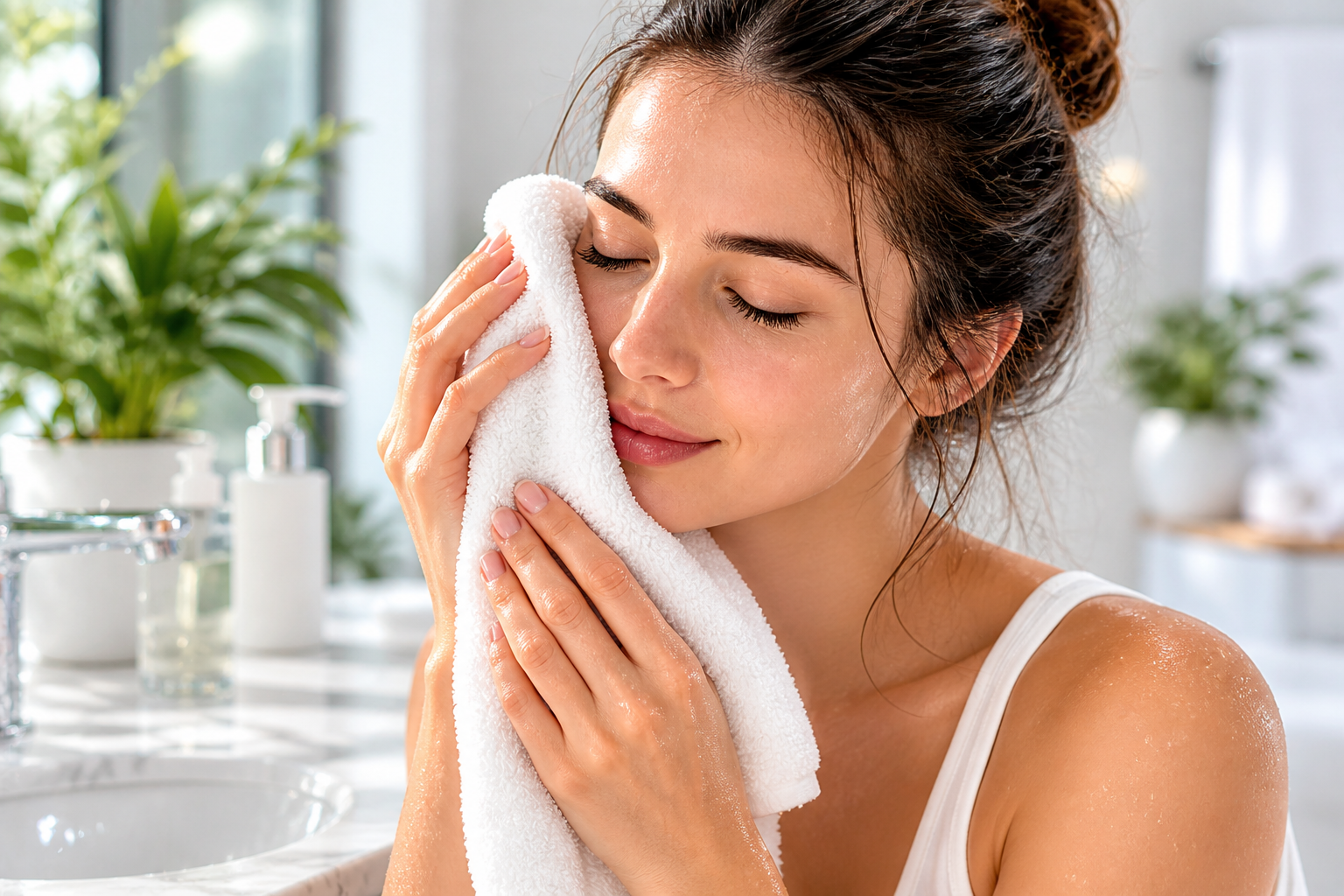
If you must remove the flakes, do it softly. First, soak a soft cotton washcloth in lukewarm water. Next, gently press it against the peeling area for one minute. After that, move the cloth in very small, circular motions. This will lift only the skin that is already dead. Finally, pat your face dry with a clean towel. Do not rub.
Step 3: Apply Moisturizer to Damp Skin
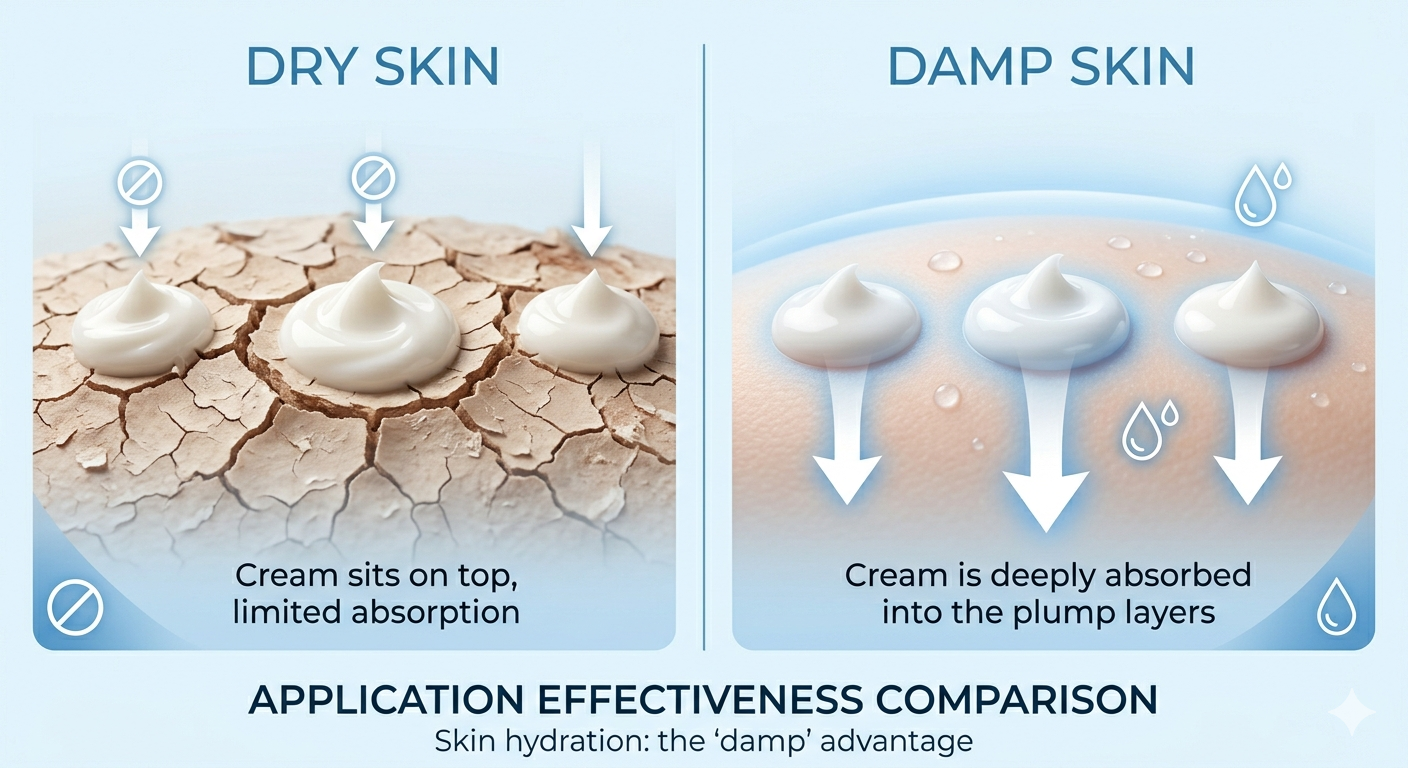
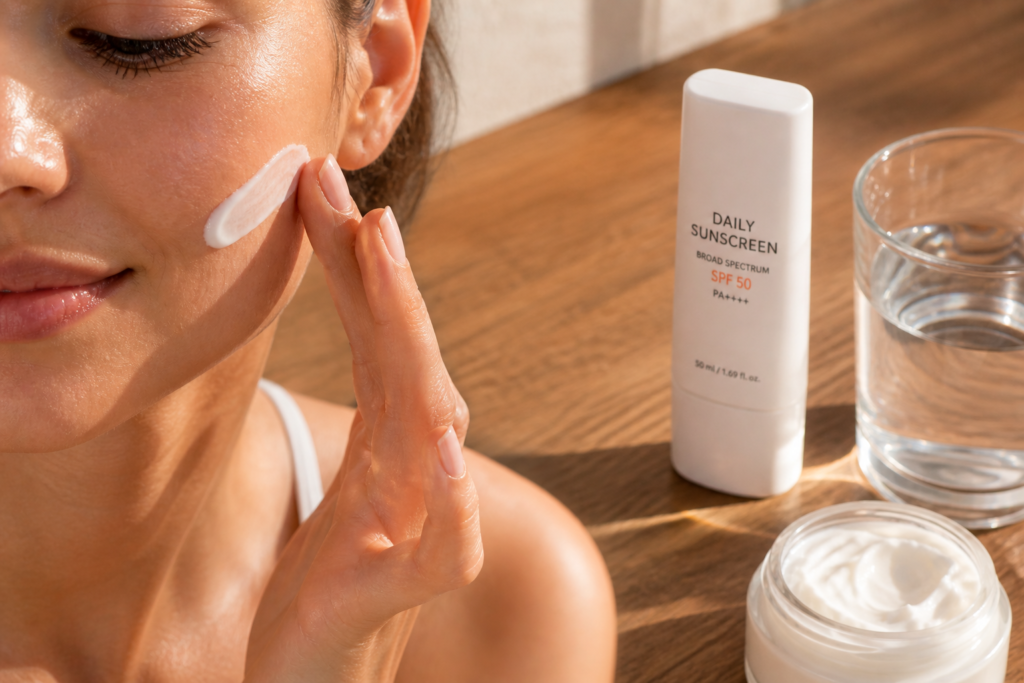
Moisture is your best friend during this time. Notably, the timing of your moisturizer application matters. You should apply your cream while your skin is still slightly damp. This technique locks the water into your skin. Consequently, it softens the remaining flakes and prevents further cracking. Look for creams containing ceramides or hyaluronic acid. These ingredients act like “glue” for your skin cells.
Step 4: Protect with an Occlusive
Moreover, you might need an extra layer of protection at night. Many dermatologists suggest “slugging.” This involves applying a thin layer of a petroleum-based balm over your moisturizer. This creates a seal. Therefore, your skin can heal in a moist environment without losing water to the air.
Prevention: How to Stop Peeling Before It Starts
Prevention is always better than a cure. You can avoid the “flaky stage” by making a few simple changes to your lifestyle.
Wear Sunscreen Daily
Firstly, you must wear SPF 30 or higher every single day. Even on cloudy days, UV rays can damage your skin. By protecting your cells, you prevent the sunburn-peel cycle. This is the most effective way to keep your skin smooth and intact.
Hydrate from the Inside Out
Secondly, drink plenty of water. While creams help, hydration starts from within. When you are dehydrated, your skin is the first organ to suffer. Therefore, aim for at least eight glasses of water a day. Additionally, eat foods high in healthy fats, such as avocados and walnuts. These help maintain your natural oil barrier.
Use a Humidifier
Furthermore, consider buying a humidifier for your bedroom. This is especially helpful during the winter. By adding moisture to the air, you prevent your skin from drying out while you sleep. Consequently, you will wake up with a much more supple complexion.
When to See a Doctor
Most peeling skin is harmless and temporary. However, sometimes it indicates a medical issue. For instance, if your peeling is accompanied by:
- Severe pain or swelling.
- Pus or yellow crusting.
- Fever or chills.
- Peeling that covers a large part of your body.
In these cases, you should seek professional help. You might have a fungal infection or a severe allergic reaction that requires prescription cream.
Final Thoughts
In conclusion, peeling skin is your body’s way of hitting the “reset” button. While it may not look pretty, it is a sign of renewal. Therefore, you should treat your face with patience and hydration. Avoid harsh scrubs and stay away from the sun. By following the gentle methods mentioned above, you will regain your glow in no time. Remember, at SkinCalmHub, we believe that a gentle touch is the most powerful tool in skincare.
FAQ: Quick Answers
Q: Can I exfoliate peeling skin?
A: You should avoid harsh chemical or physical scrubs. Instead, use a soft, damp washcloth to gently lift dead skin.
Q: How long does skin peeling last?
A: Usually, a light peel lasts about 3 to 7 days. However, a deep sunburn might cause peeling for up to two weeks.
Q: Does drinking water help with peeling?
A: Yes. Internal hydration helps the skin remain elastic. Consequently, the skin is less likely to crack and flake.
Q: Should I put oil on peeling skin?
A: Oils like jojoba or squalane are excellent. They help soften the flakes and repair the moisture barrier.