
To begin, most people truly desire soft and glowing skin. However, choosing the right moisturizer is often a very difficult task. For example, you might see many different jars on the store shelf. Usually, two names stand out above the rest: Shea butter and Cocoa butter. Furthermore, both products are famous in the beauty world for their healing powers. Both promise to fix dry skin effectively. Yet, they are not exactly the same in how they work.
In this guide, we will compare these two natural butters in great detail. Specifically, we will look at their benefits and their unique flaws. By the end, you will know exactly which one fits your skin type best. Therefore, let us dive into the details right now.
What Exactly is Shea Butter?
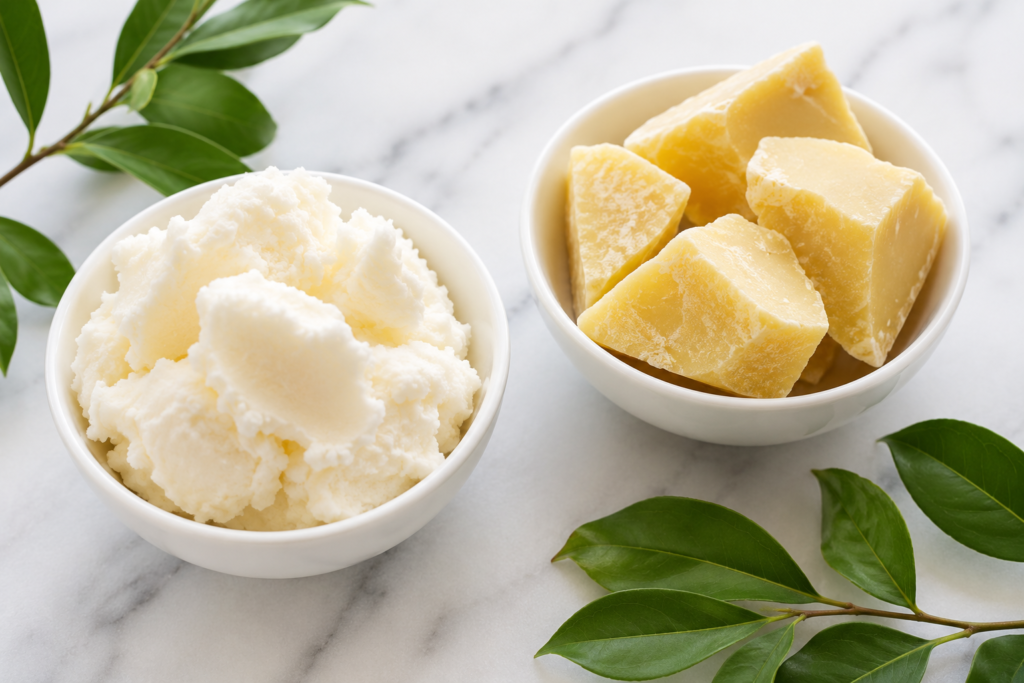
Specifically, Shea butter comes from the nuts of the Karité tree. These trees grow primarily in West Africa. Historically, people there have used it for hundreds of years to protect their skin. Consequently, they often call it “liquid gold” for a very good reason.
First, Shea butter is incredibly full of essential vitamins. For instance, it contains high amounts of Vitamin A and Vitamin E. These vitamins protect your skin from environmental damage. Furthermore, the texture of the butter is quite soft and creamy. It melts almost as soon as it touches your warm skin. Because it absorbs quickly, it does not feel too heavy or greasy. As a result, it is a top favorite for many skincare lovers around the world.
Understanding Cocoa Butter
In contrast, Cocoa butter comes from the cacao bean. This is the same bean that people use to make chocolate. Therefore, it has a wonderful and sweet scent. If you love the smell of dessert, you will definitely love this butter.
However, Cocoa butter is much firmer than Shea butter at room temperature. It feels a bit waxy when you first touch it. Consequently, you must rub it between your hands to melt it properly. Additionally, it contains natural plant compounds called phytochemicals. These compounds help improve blood flow to the skin surface. According to Healthline’s research on Cocoa Butter, it also creates a very strong shield on your skin. This shield locks in moisture for a very long time.
How They Work: The Simple Science
To understand this better, we should look at how these butters hydrate your body. Technically, both products act as “occlusives.” This means they form a protective layer on top of your skin. Subsequently, this layer stops water from leaving your body throughout the day.
Nevertheless, Shea butter also acts as an “emollient.” This means it fills the tiny cracks between your skin cells. As a result, your skin feels much smoother and softer to the touch. On the other hand, Cocoa butter provides a thicker barrier. Therefore, it is often better for very harsh or cold weather. If your skin is extremely dry, Cocoa butter might be your best choice. Meanwhile, Shea butter remains better for daily, lightweight use.
Comparing the Key Benefits
1. Healing and Calming Properties
In terms of healing, Shea butter is the clear winner. Specifically, it contains cinnamic acid. This ingredient naturally reduces redness and swelling. If you have a rash or a minor burn, Shea butter can help you heal. For instance, if you have a bad reaction to a new product, you should read our guide on how to deal with a sudden allergic reaction. It will help you calm your skin quickly and safely.
Conversely, many people love Cocoa butter for treating stretch marks. For example, many pregnant women apply it every single day. It makes the skin much more elastic. Thus, the skin can stretch without causing damage to the fibers. While it may not remove old marks entirely, it surely helps prevent new ones from forming.
2. The Scent and Sensory Experience
Additionally, the smell is a big factor for many beauty users. For instance, Shea butter has a very nutty and earthy scent. Some people do not like the natural smell of raw, unrefined Shea. In that case, you can choose refined versions instead.
Alternatively, Cocoa butter smells like a delicious treat. This characteristic makes your skincare routine feel like a luxury spa day. However, you must be careful with your choice. Some brands add fake perfumes to their butter products. If you have sensitive skin, you should always choose the pure, unscented version.
3. Will It Clog Your Pores?
This is a very important question if you use products on your face. We use a “comedogenic scale” to measure this risk.
- First, Shea Butter scores a 0 to 2 on the scale. This means it will likely not clog your pores. Therefore, it is safe for your face.
- Next, Cocoa Butter scores a 4. This is a very high score. Consequently, you should keep it away from your face. If you have acne, Cocoa butter will likely make it worse. Instead, use it only on your body.
Which One is Best for Your Skin Type?
For Very Dry or Flaky Skin
If your skin is currently cracking, you should choose Cocoa Butter. Because of its thick layer, it provides heavy-duty protection. It acts like a warm coat for your skin cells. Subsequently, your skin will stay hydrated for many hours.
For Sensitive Skin or Eczema
In comparison, Shea Butter is the best choice for sensitive skin. It is incredibly gentle and soothing. Because it fights inflammation, it helps heal itchy patches. Specifically, it repairs the skin barrier while it hydrates. Therefore, it is a very safe choice for children as well.
For Aging and Wrinkles
Moreover, both butters help fight the signs of aging. However, Shea Butter has more Vitamin A. This vitamin is a natural form of retinol. As a result, it helps fade fine lines over time. Similarly, Cocoa butter keeps the skin very firm. Both products will keep your skin looking young and healthy.
Can You Mix Them Together?
Actually, the answer is a big yes! In fact, mixing them is a wonderful idea. By doing this, you get the healing vitamins from Shea and the strong protection from Cocoa.
Moreover, you can easily make your own cream at home. To do this, just melt both butters together in a bowl. Afterward, add a few drops of coconut or jojoba oil. Finally, whip the mixture until it feels fluffy. This “body butter” will likely become your new favorite product. Consequently, you get the best results for your skin in one jar.
How to Apply Your Butter Perfectly
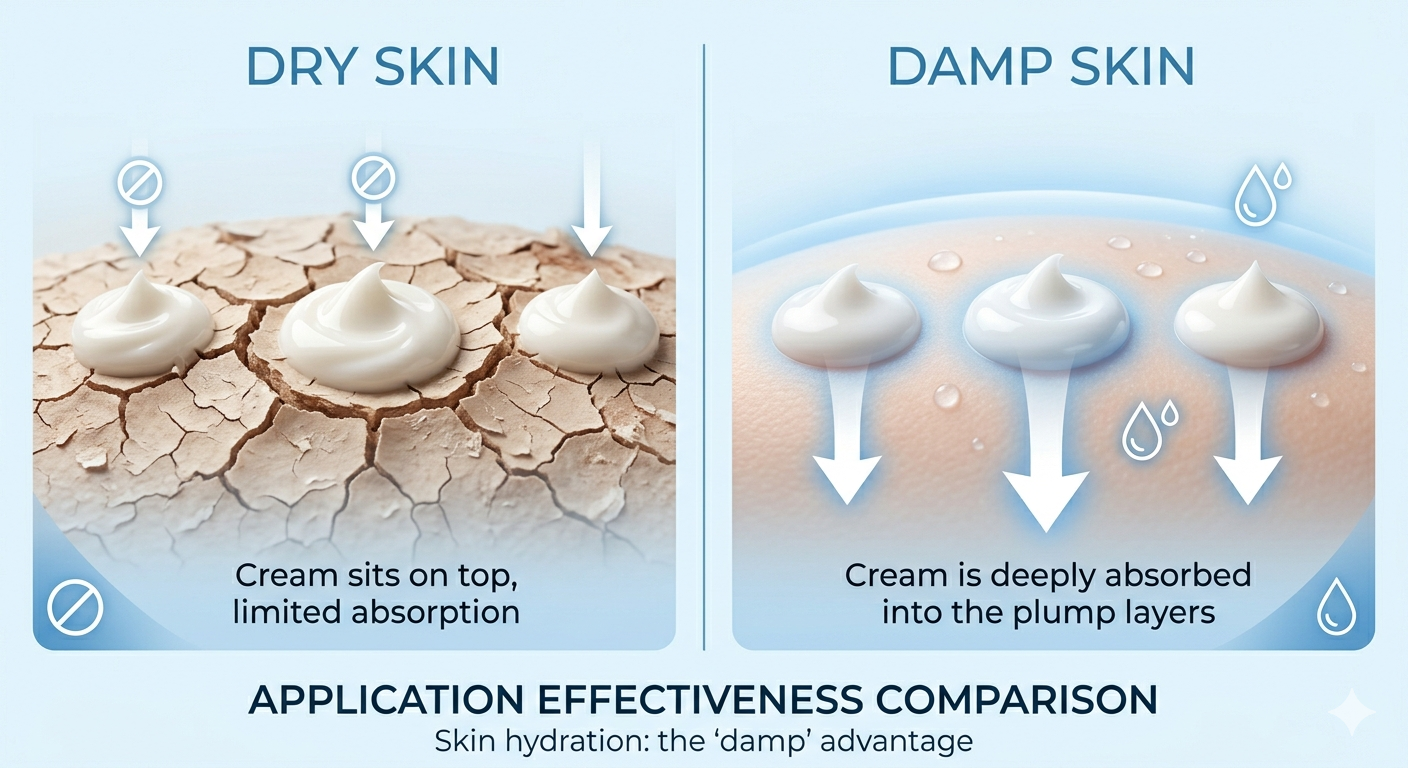
To get the best results, you must use the right application method. For instance, you should apply the butter right after your shower. Your skin should still be slightly damp. This helps the butter trap the water deep in your skin layers.
Next, massage the butter using gentle circles. This action helps your blood flow better. It also helps the product sink in deeply. As a result, your skin will glow beautifully all day long.
Final Verdict
In conclusion, both butters are amazing natural tools for beauty. There is truly no wrong choice.
- First, pick Shea Butter for healing, face care, and sensitive skin.
- Second, pick Cocoa Butter for deep hydration, stretch marks, and a great smell.
At SkinCalmHub, we want you to love the skin you are in. Whether you pick Shea or Cocoa, please stay consistent with your routine. Your skin needs love and hydration every single day. Finally, enjoy your new, soft skin!
FAQ: Quick Answers
Q: Can I use Cocoa butter on my face?
A: No, it is best to avoid it. Therefore, use Shea butter for the face instead.
Q: Is Shea butter good for sunburn?
A: Yes, definitely. Its anti-inflammatory properties help cool and heal burned skin quickly.
Q: Which one is cheaper to buy?
A: Usually, both are very affordable. However, unrefined versions might cost a bit more.
Q: How long does the hydration last?
A: Usually, both butters keep your skin soft for 12 to 24 hours.