We have all experienced that moment of frustration. You look in the mirror and notice small, white flakes dusting your forehead or cheeks. Perhaps your skin feels tight, itchy, or even slightly tender. Peeling skin is not just a cosmetic nuisance; it is a signal from your body. Your skin is trying to tell you that its protective barrier needs some extra love and attention.
At Skin Calm Hub, we believe that skincare should never be a battle. When your skin begins to shed prematurely, the natural instinct is to scrub it away. However, aggressive scrubbing often makes the situation worse. In this guide, we will explore why skin peels and how you can guide it back to health with a gentle touch.
Common Causes of Peeling Skin
Understanding the “why” is the first step toward the “how.” Skin peeling, or desquamation, occurs when the outer layer of your skin (the epidermis) sustains damage. Here are the most frequent culprits:
1. Sunburn and Environmental Damage
The most common cause of peeling is overexposure to UV rays. When you get a sunburn, the sun kills skin cells. Your body then sheds these dead cells to make room for new ones. Similarly, harsh winds and freezing temperatures can strip moisture away. This leaves the surface brittle and prone to flaking.
2. Excessive Dryness (Xerosis)
Dry skin lacks the oils necessary to keep the surface supple. When the skin becomes too dry, the cells do not shed invisibly as they should. Instead, they clump together and create visible patches. This is especially common during the winter months when indoor heating sucks the moisture out of the air.
3. Over-Exfoliation and Harsh Products
Sometimes, our quest for a “glow” leads us to overdo it. Using too many acids, such as glycolic or salicylic acid, can compromise the skin barrier. If you use high-strength retinoids without a proper adjustment period, your skin might react by peeling. You can learn more about calming these reactions in our previous guide on how skin icing reduces redness caused by irritation.
4. Underlying Skin Conditions
Conditions like eczema, psoriasis, and seborrheic dermatitis often involve peeling. According to Healthline, these conditions require specific medical treatments because the peeling is linked to an overactive immune response or a chronic lack of moisture.
How to Get Rid of Peeling Skin Gently
If your skin is already peeling, your main goal is protection. You want to encourage the natural healing process without causing further trauma. Follow these gentle steps to restore your glow.
Step 1: Resist the Urge to Pick
This is the most important rule. It is incredibly tempting to pull at a loose flake of skin. However, when you peel it manually, you often take healthy skin cells with it. This creates “raw” spots that are vulnerable to infection and scarring. Let the flakes fall off naturally when they are ready.
Step 2: Use a Lukewarm Cleanse
Hot water is an enemy to damaged skin. It strips away the remaining natural oils. Instead, wash your face with lukewarm water and a soap-free, creamy cleanser. Avoid washcloths or scrubbing brushes during this time. Your fingertips are the only tools you need.
Step 3: Apply Moisture to Damp Skin
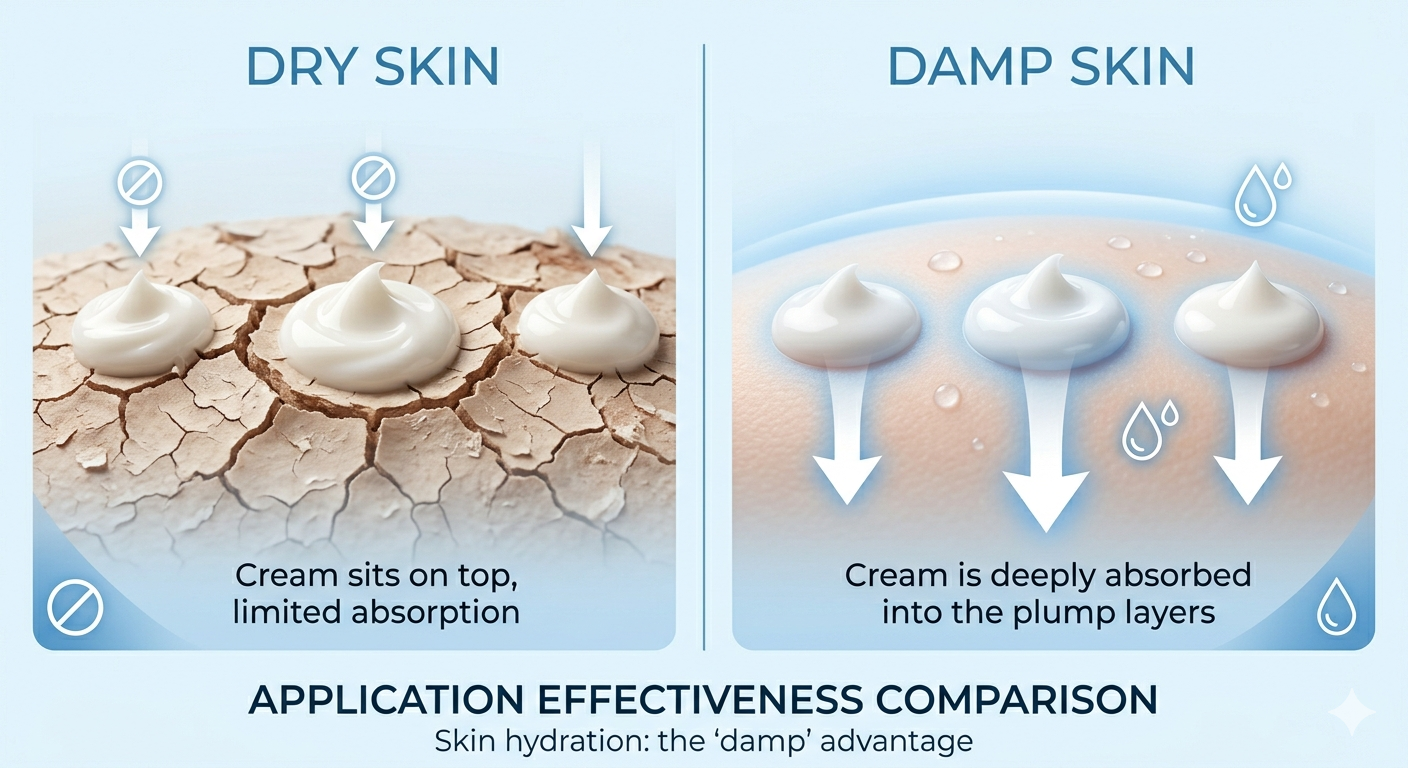
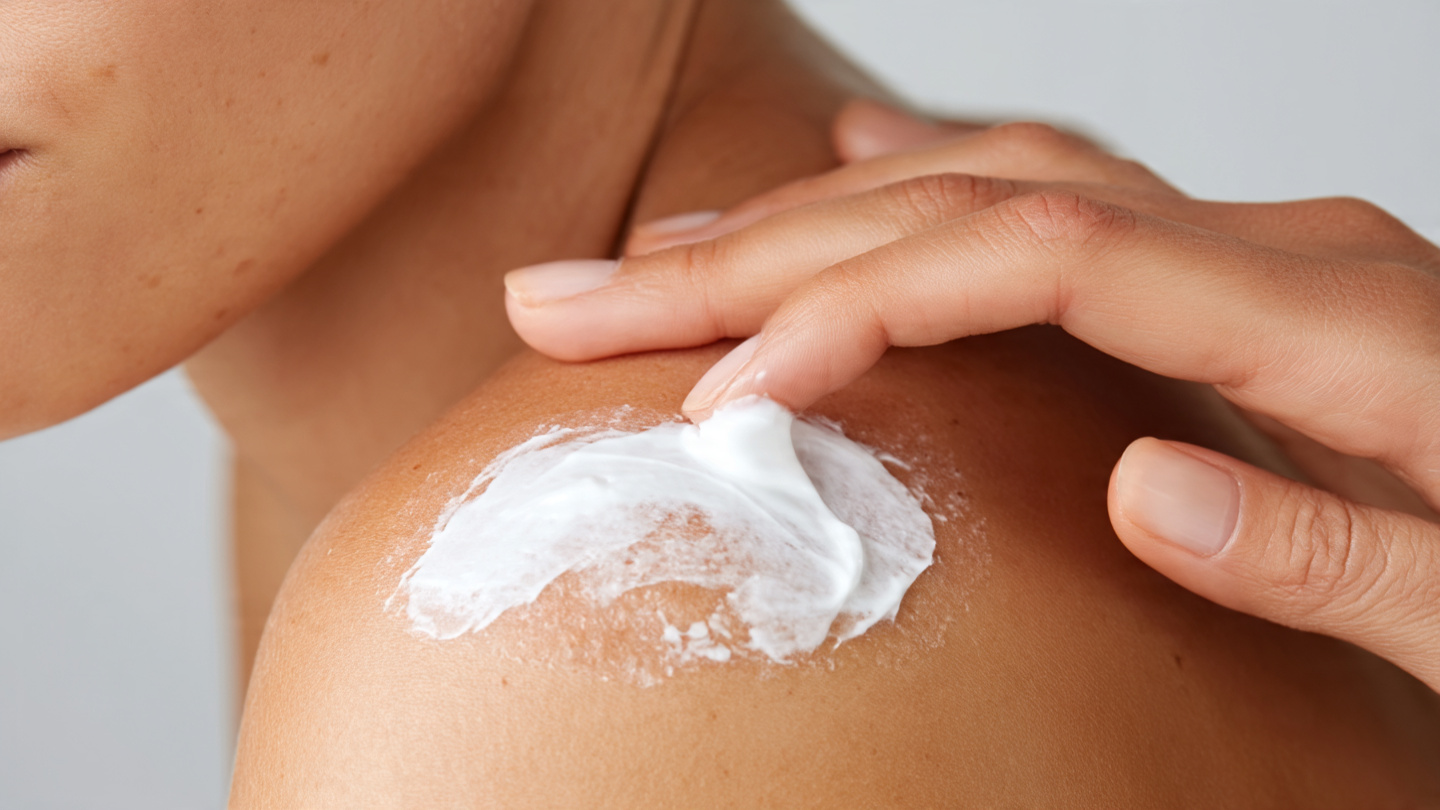
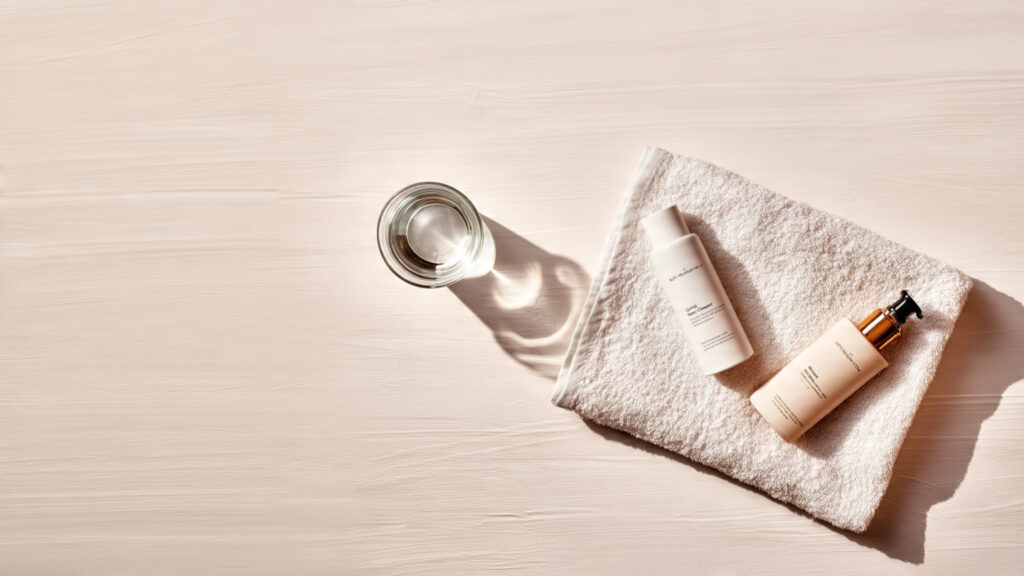
Timing is everything in skincare. After washing, gently pat your face with a soft towel. Leave the skin slightly damp. Immediately apply a rich moisturizer. This technique traps water in the skin, which helps soften the flakes and repair the barrier. Look for ingredients like ceramides, hyaluronic acid, and colloidal oatmeal.
Step 4: Switch to Physical Sunscreen
Peeling skin is incredibly sensitive to the sun. Even if you stay indoors, UV rays can reach you. Choose a mineral (physical) sunscreen containing zinc oxide or titanium dioxide. These ingredients sit on top of the skin and reflect UV rays without causing the chemical irritation that some sunscreens might trigger.
Step 5: Hydrate from the Inside
While lotions help, your skin cells need hydration from within. Drink plenty of water and consume healthy fats like avocados, nuts, and salmon. These foods provide the building blocks for a strong, resilient skin barrier.
When to See a Professional
Most cases of peeling skin resolve within a week of gentle care. However, you should consult a dermatologist if you experience the following:
- The peeling is accompanied by severe pain or blistering.
- You notice signs of infection, such as pus or yellow crusting.
- The peeling does not stop despite heavy moisturizing.
- You have a fever or feel generally unwell.
A professional can help determine if an allergy or a fungal infection is the root cause. They can provide prescription-strength creams that offer faster relief than over-the-counter options.
Conclusion
Peeling skin is a temporary state, not a permanent flaw. It is your body’s way of renewing itself after a period of stress. By choosing patience over aggression, you allow your skin to heal correctly. Remember to keep your routine simple, focus on hydration, and always protect yourself from the sun.
At Skin Calm Hub, we believe that every skin journey is unique. Treat your skin with the kindness it deserves, and it will reward you with a healthy, radiant glow.
FAQ: Quick Answers
Q: Can I use a scrub to remove the flakes?
A: No. Scrubs create micro-tears in the skin. This increases inflammation and delays the healing process. Stick to hydration instead.
Q: How long does sunburn peeling last?
A: Typically, sunburn peeling lasts between three to seven days. It depends on the severity of the burn and how well you hydrate the area.
Q: Is coconut oil good for peeling skin?
A: Coconut oil is occlusive, meaning it seals in moisture. However, it can clog pores for some people. A ceramide-based cream is usually a safer choice for facial skin.
Q: Does drinking more water stop skin peeling?
A: It helps, but it is not a “magic fix.” You must combine internal hydration with topical moisturizers to see real results.