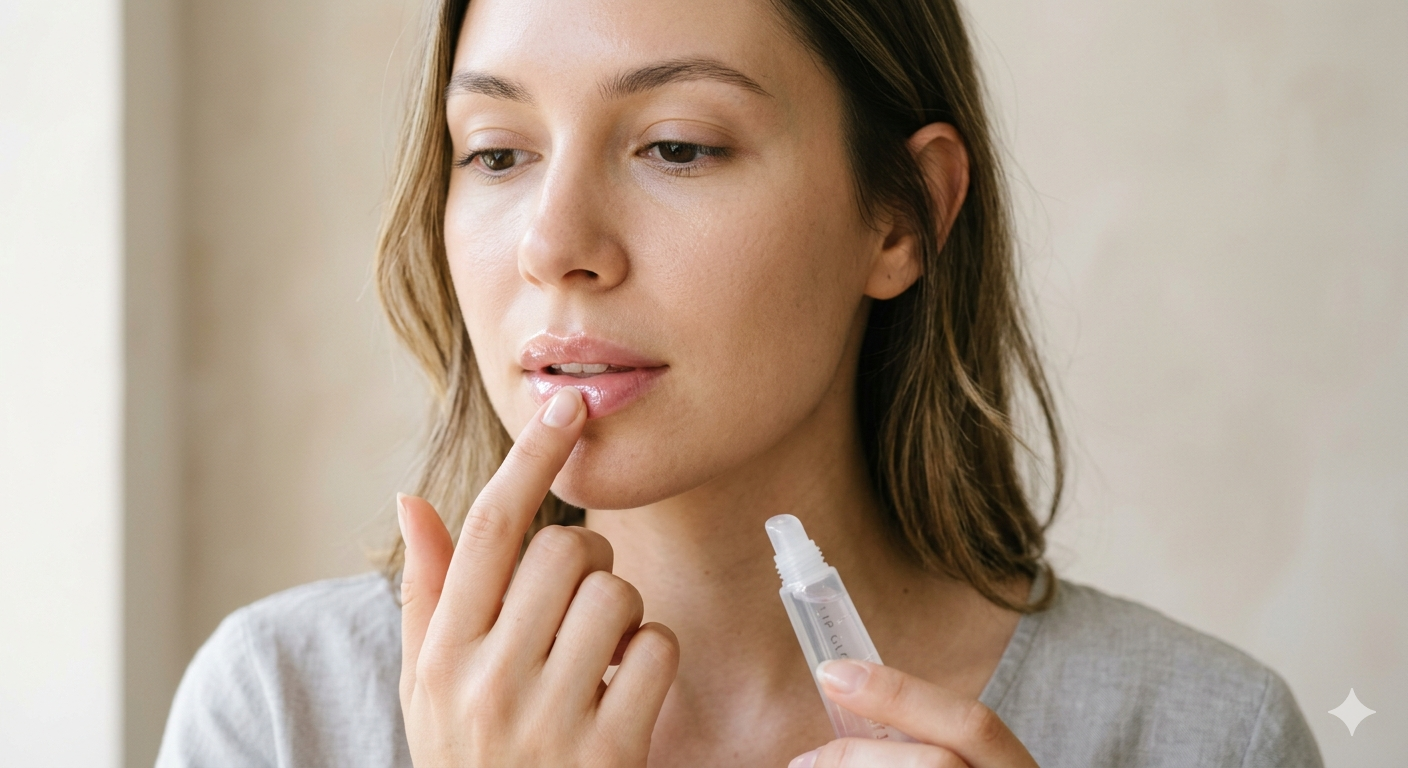
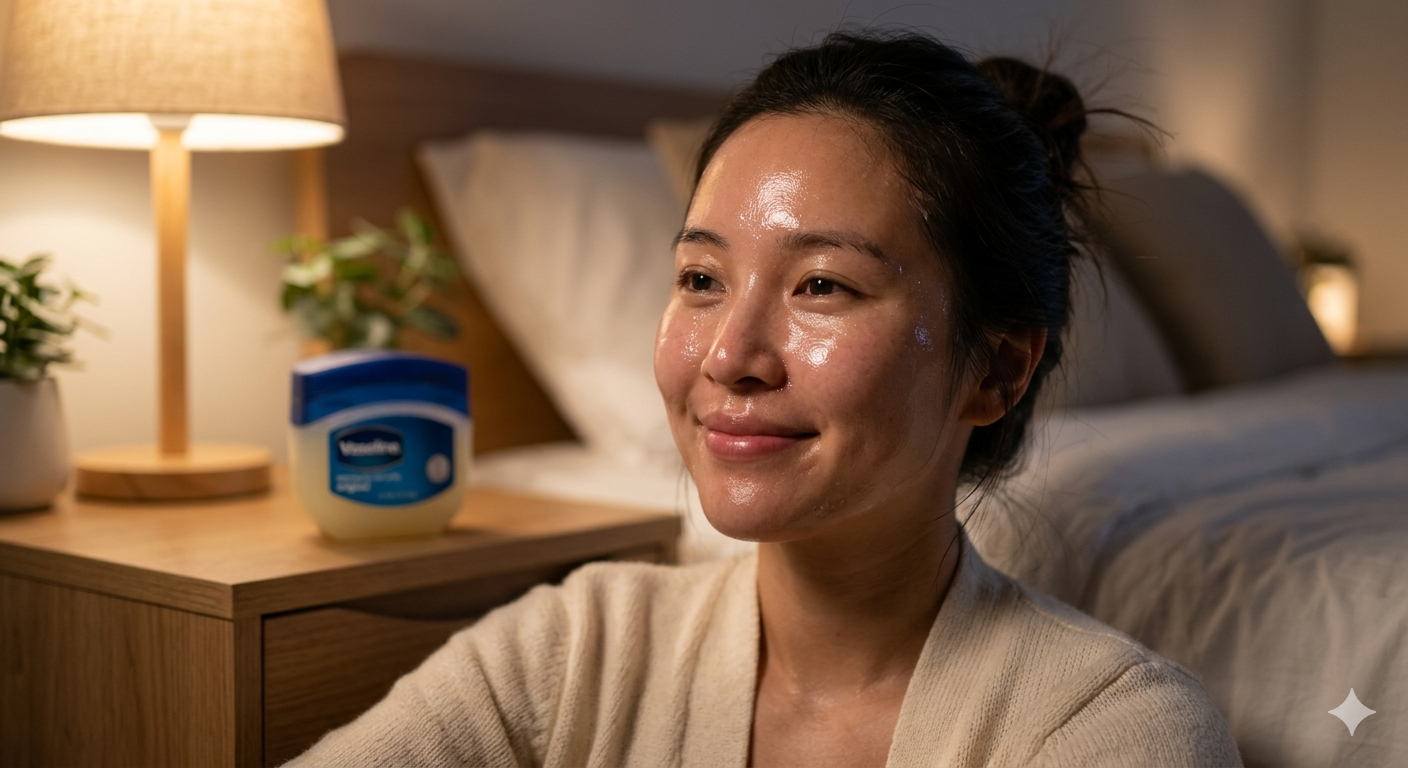
Have you ever woken up with skin that feels tight, flaky, or just plain thirsty? If so, you are not alone. Many people struggle to keep their skin hydrated, especially during the harsh winter months. Recently, a viral trend called the slugging technique has taken the internet by storm.[2] You might have seen influencers on TikTok slathering their faces in shiny ointments before bed.[1] While it looks a bit strange, this “slug-like” glow is more than just a passing fad. In fact, dermatologists have recommended similar methods for decades.
But is putting a thick layer of petroleum jelly on your face actually a good idea? Does it cause breakouts? Or is it the secret to the “glass skin” of your dreams? In this guide, we will dive deep into the world of slugging. We will explore how it works, who should try it, and how to do it safely at home.
What Exactly is the Slugging Technique?
At its core, the slugging technique is very simple.[1] It involves applying a thin layer of an occlusive ointment, such as Vaseline, as the final step of your evening skincare routine.[1] The name comes from the shiny, slimy look your skin takes on.[2][3] You literally look like a friendly garden slug!
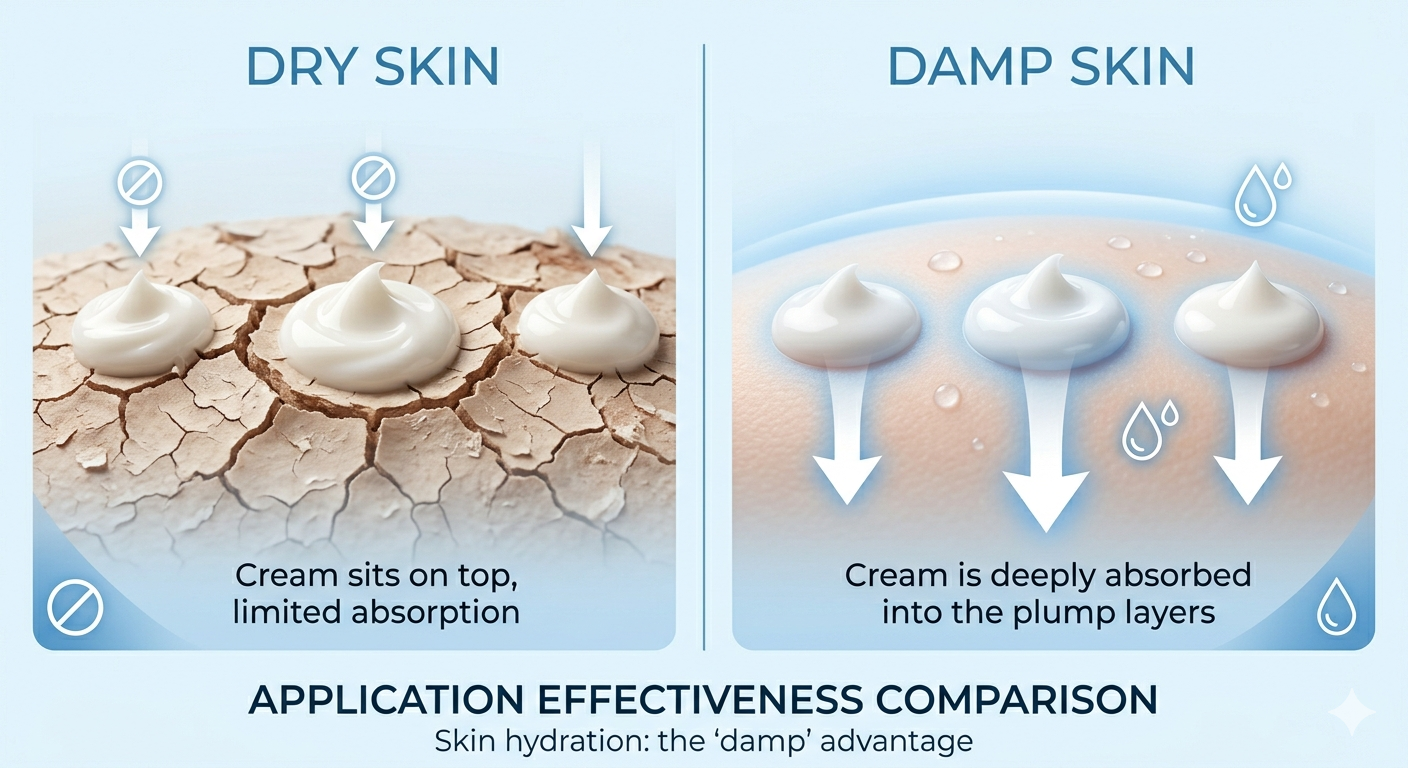
However, the goal is not just to look shiny. The main purpose is to create a physical seal on top of your skin.[2] Unlike your regular moisturizer, petroleum jelly does not sink deep into the pores. Instead, it sits on the surface. This barrier prevents something called Transepidermal Water Loss (TEWL).[3] Essentially, it stops moisture from evaporating into the air while you sleep.
By trapping that water inside, your skin stays hydrated for much longer. This process allows your skin cells to repair themselves more efficiently.[2] If you want to understand the foundation of this process, you should check out our guide on Signs Your Skin Barrier is Damaged and How to Repair It.
The Benefits of Slugging for Your Skin[1][2][3][4]
Why should you consider adding a “greasy” step to your routine? The benefits are quite impressive when done correctly.
1. Intense Hydration
First, slugging is a masterclass in hydration. Most moisturizers contain humectants that pull water into the skin. However, if the air is dry, that water can quickly escape. Vaseline acts like a lid on a pot of boiling water. It keeps everything trapped where it belongs. This results in incredibly soft and plump skin the next morning.
2. Barrier Repair
Your skin barrier is your first line of defense against the world. When it is weak, irritants get in, and moisture gets out. Slugging gives your barrier a much-needed break. It protects the skin from environmental stressors.[5][6][7] Furthermore, it creates a “greenhouse effect” that helps healing ingredients from your other products work better.
3. Cost-Effective Luxury
Skincare can be expensive.[8] Many high-end “overnight masks” cost a fortune. On the other hand, a tub of Vaseline or Aquaphor is very affordable. You get professional-level results without spending a lot of money. It is a simple, old-school solution that actually works.
Is Slugging Right for Every Skin Type?
While the internet loves a “one size fits all” solution, skincare is personal. Slugging is not for everyone.[1][4] You must understand your skin type before you start slathering.[9]
For Dry and Sensitive Skin
If you have dry, flaky, or sensitive skin, you are the perfect candidate. Your skin likely lacks the natural oils needed to seal in moisture. Slugging can be a total game-changer for you.[1] It calms irritation and eliminates dry patches almost overnight. According to Healthline’s research on skin barrier function, occlusives like petrolatum are among the most effective tools for restoring skin health.
For Oily and Acne-Prone Skin
Here is where we need to be careful.[1][4][5] Petroleum jelly itself is non-comedogenic. This means it is too large to actually clog your pores. However, it is a “sealant.” If you have naturally oily skin, slugging might trap your natural sebum and dead skin cells underneath. This can lead to breakouts or “milia” (tiny white bumps).
If you struggle with active acne, you might want to skip the full-face slugging.[1][4] Instead, you can “spot-slug” on dry areas only, like your cheeks or under your eyes.
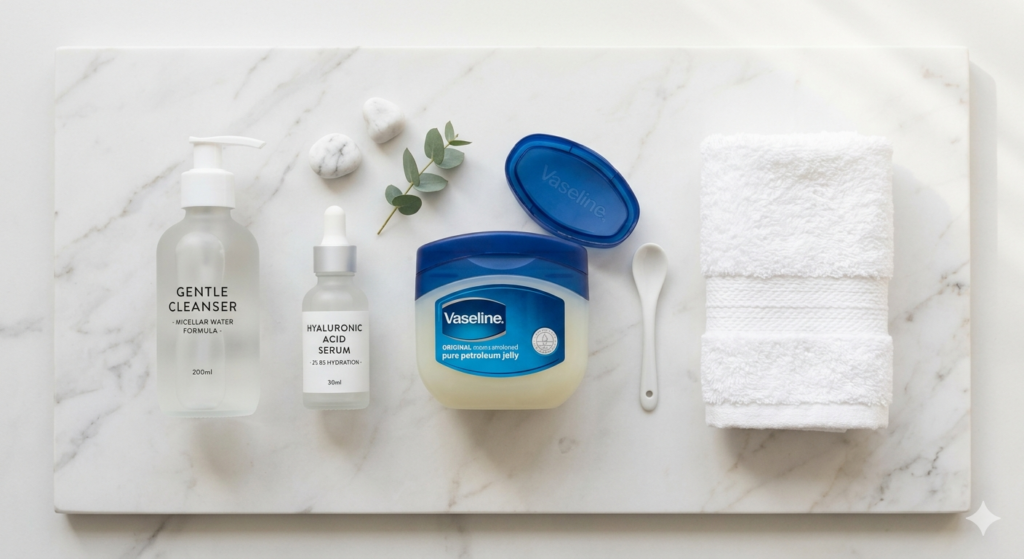
How to Perform the Slugging Technique: A Step-by-Step Guide
Doing it right is the difference between glowing skin and a messy pillowcase.[2] Follow these steps for the best results:
Step 1: Cleanse Thoroughly
This is the most important step. You must remove all dirt, makeup, and sweat. If you trap bacteria under the Vaseline, you are asking for a breakout. Use a gentle, pH-balanced cleanser to ensure your canvas is perfectly clean.
Step 2: Apply Humectants
Slugging does not create moisture; it locks it in. Therefore, you need to put moisture on your skin first.[9] Apply a hydrating serum or a lightweight moisturizer while your skin is still slightly damp. Look for ingredients like Hyaluronic Acid or Glycerin.[6][7][10][11]
Step 3: The Seal
Now, take a pea-sized amount of Vaseline or an ointment like Aquaphor. Warm it between your palms. Gently pat it over your face. You do not need a thick glob. A thin, even layer is more than enough to create the necessary seal.
Step 4: Sleep and Protect
Wait about 15 minutes before hitting the bed. This gives the product time to settle.[12] You might want to use an old pillowcase or lay down a towel, as it can be a bit messy.
Step 5: The Morning Wash
In the morning, wash your face with a gentle cleanser. You want to remove the leftover ointment so your daytime products can penetrate the skin. You will likely notice a significant difference in how soft your skin feels immediately.
Common Mistakes to Avoid
To keep your skin happy, avoid these common slugging pitfalls:
- Using Actives: Never slug over strong actives like Retinol, AHAs, or BHAs. Because slugging increases the potency of products underneath, it can lead to severe irritation or chemical burns. Keep your “slugging nights” simple.
- Dirty Skin: As mentioned before, never slug on a face that hasn’t been washed.
- Doing it Every Night: For most people, slugging 2 or 3 times a week is plenty. Listen to your skin.[13] If it starts feeling “congested,” take a break.
Final Thoughts: Should You Try It?
The slugging technique is a wonderful, evidence-based way to support your skin’s health.[2] It is particularly effective for those dealing with extreme dryness or a compromised barrier.[2] However, always remember that consistency and safety come first. If you have oily skin, proceed with caution.[1][4][10] If you have dry skin, get ready to meet your new favorite habit.[2]
Skincare is a journey of self-care. It is about listening to what your body needs and providing it with the right tools. Whether you choose to slug or not, keeping your moisture locked in is the key to a radiant, healthy glow.
FAQ: Quick Answers
Q: Can Vaseline clog my pores?
A: Pure petrolatum is non-comedogenic, meaning it doesn’t clog pores. However, it can trap oils and dirt already on your skin, which might cause breakouts if you aren’t clean.[2]
Q: How often should I slug?
A: For dry skin, 2-3 times a week is ideal. For normal skin, once a week or whenever you feel dry is sufficient.[9]
Q: Can I slug over my Retinol?
A: No! This can cause extreme irritation. Save slugging for your “rest” nights when you only use hydrating products.
Q: Will it ruin my pillowcases?
A: It can leave oily marks. Use a silk pillowcase or an old one that you don’t mind getting a bit greasy.
Sources