Have you ever woken up, looked in the mirror, and barely recognized the person staring back? We have all been there. Perhaps it was a late-night salty snack or a restless night of sleep. Regardless of the cause, waking up with a puffy face and irritated, red skin can dampen your morning mood. Fortunately, the most effective solution might be sitting right in your freezer.
Skin icing, also known as ice therapy, is a centuries-old beauty secret that has recently regained its viral status. While high-tech serums and expensive lasers have their place, sometimes the simplest methods yield the most refreshing results. In this guide, we will explore why cold therapy is a game-changer for your complexion.
What is Skin Icing?
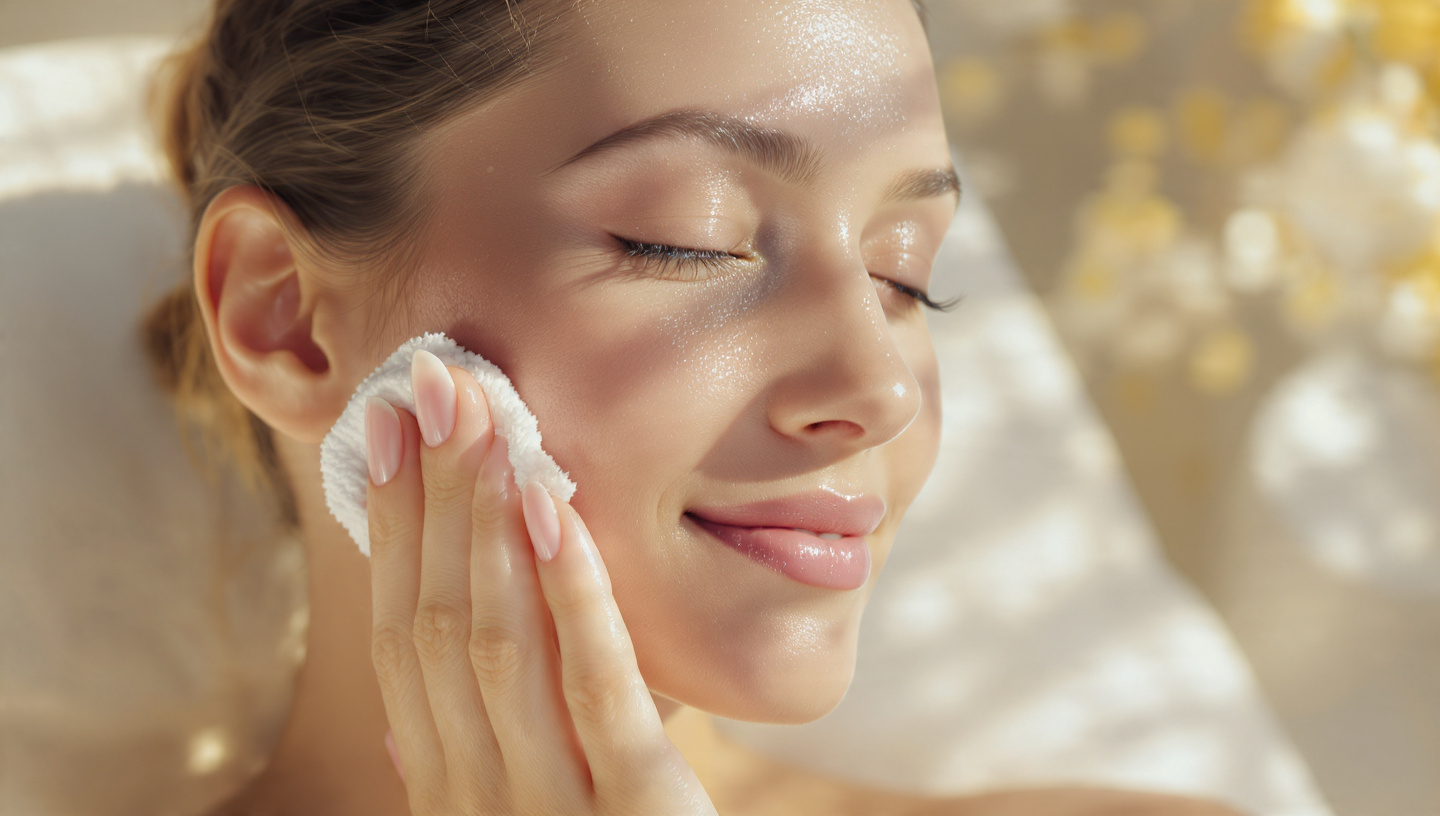
Skin icing is the practice of applying ice or cold tools to the face for therapeutic benefits. This technique relies on the power of cryotherapy. When you expose your skin to cold temperatures, your blood vessels constrict. Once the skin warms up again, those vessels dilate, pumping fresh, oxygenated blood to the surface.
This process does more than just wake you up. It acts as a natural reset button for your skin. Whether you use a simple ice cube wrapped in a cloth or a fancy cryo-roller, the goal remains the same: calming the skin through temperature control.
The Magic of Reducing Facial Puffiness
The most immediate benefit of ice therapy is its ability to “de-puff” the face. Puffiness often occurs because of fluid retention or poor lymphatic drainage. This is particularly common around the delicate eye area where the skin is thinnest.
When you apply ice, the cold causes immediate vasoconstriction. This narrowing of the blood vessels helps move excess fluid out of the facial tissues. Furthermore, the gentle pressure of moving an ice cube across your skin stimulates the lymphatic system. This drainage process flushes out toxins and reduces swelling effectively.
If you are struggling with persistent facial swelling, you might also find our guide on tips for soothing inflamed skin helpful for long-term relief.
Soothing Redness and Inflammation
Redness is often a sign that your skin is stressed. Whether it is caused by acne, a reaction to a product, or a skin condition like rosacea, inflammation is the culprit. Skin icing acts as a natural anti-inflammatory treatment.
The cold temperature slows down the inflammatory response. It numbs the area slightly, which provides instant relief from itching or burning sensations. Consequently, the angry red patches on your cheeks or forehead begin to fade into a more even, calm tone.
According to experts at Healthline, icing can also help minimize the appearance of enlarged pores. When the skin is chilled, it appears tighter and smoother, creating a perfect canvas for makeup or simply a confident “no-makeup” day.
How to Practice Skin Icing Safely
While icing is beneficial, you must do it correctly to avoid “ice burn” or frostbite. Follow these simple steps for a safe and luxurious experience:
- Cleanse First: Always start with a clean face to prevent pushing dirt into your pores.
- Wrap It Up: Never apply bare ice directly to your skin for a long time. Wrap the ice cube in a thin, soft cotton cloth or a paper towel.
- Keep It Moving: Use gentle, circular motions. Move from the center of your face outward toward your ears.
- Timing is Everything: Limit the session to 5-10 minutes. If your skin starts to feel uncomfortably cold or numb, stop immediately.
- Moisturize: Follow up with a soothing serum or moisturizer to lock in the hydration.
Who Should Avoid Ice Therapy?
Although most people love the results of a cold facial, it is not for everyone. If you have extremely sensitive skin or thin capillaries (telangiectasia), the intense cold might cause more harm than good. Additionally, those with Raynaud’s phenomenon or cold urticaria should skip this trend.
If you aren’t sure, always perform a patch test on a small area of your jawline first. Listening to your skin is the most important part of any beauty routine.
Elevate Your Routine with Chilled Tools
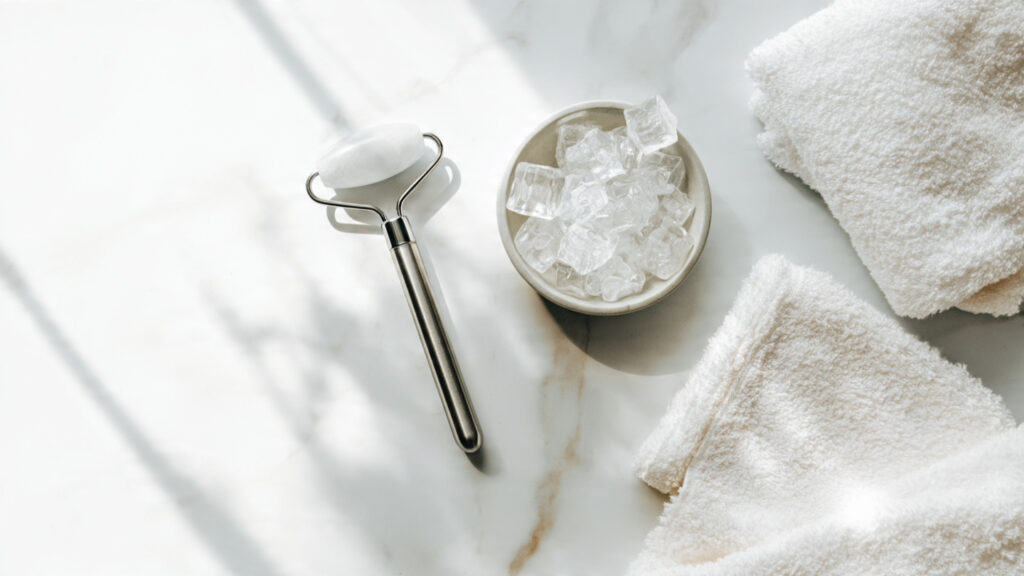
If the thought of melting ice cubes seems too messy, there are modern alternatives. Many skincare enthusiasts prefer “ice globes” or stainless steel rollers. You can keep these tools in the fridge or freezer. They provide a consistent temperature without the dripping water.
Regardless of the tool you choose, the principle remains the same. You are utilizing the power of cold to enhance your natural beauty. It is a mindful practice that allows you to slow down and give your skin the attention it deserves.
Conclusion
Skin icing is more than just a passing trend. It is a cost-effective, natural, and efficient way to handle facial puffiness and redness. By incorporating this cooling ritual into your morning or evening routine, you are encouraging better circulation and a calmer complexion.
Next time you wake up feeling a bit “inflated,” head to the kitchen. A simple ice cube might be the only thing standing between you and the radiant, sculpted look you desire.
FAQ: Quick Answers
Q: Can I ice my face every day?
A: Yes, most people can safely ice their face once a day. However, if you have very dry or sensitive skin, every other day might be better.
Q: Does skin icing help with acne?
A: Yes. It reduces the redness and swelling associated with cystic acne, though it will not “cure” the underlying cause.
Q: Should I ice before or after my skincare products?
A: It is best to ice on clean skin before applying heavy creams. This can actually help your skin absorb serums more effectively.
Q: Can I use frozen milk or green tea?
A: Absolutely! Many people freeze green tea (for antioxidants) or cucumber juice to add extra nutrients to their icing routine.